
TL;DR
A novel recovery-percentile tracking system for orthopedic surgery patients is being tested to help patients monitor their recovery objectively. Early pilot results suggest it could reduce post-op calls to clinics and improve patient reassurance. The development aims to streamline post-surgical care and support faster recovery.
A recovery-percentile tracker designed for orthopedic surgery patients is being piloted in a single practice, aiming to objectively measure recovery progress and reduce post-op call volume. This development could improve patient reassurance and streamline clinic operations amid rising outpatient procedures and staffing challenges.
The tracker allows patients to log daily metrics such as pain levels, range of motion, and walking milestones after procedures like knee replacements. These data points are then plotted against anonymized recovery curves, providing patients with a percentile ranking of their progress compared to typical recoveries for the same surgery.
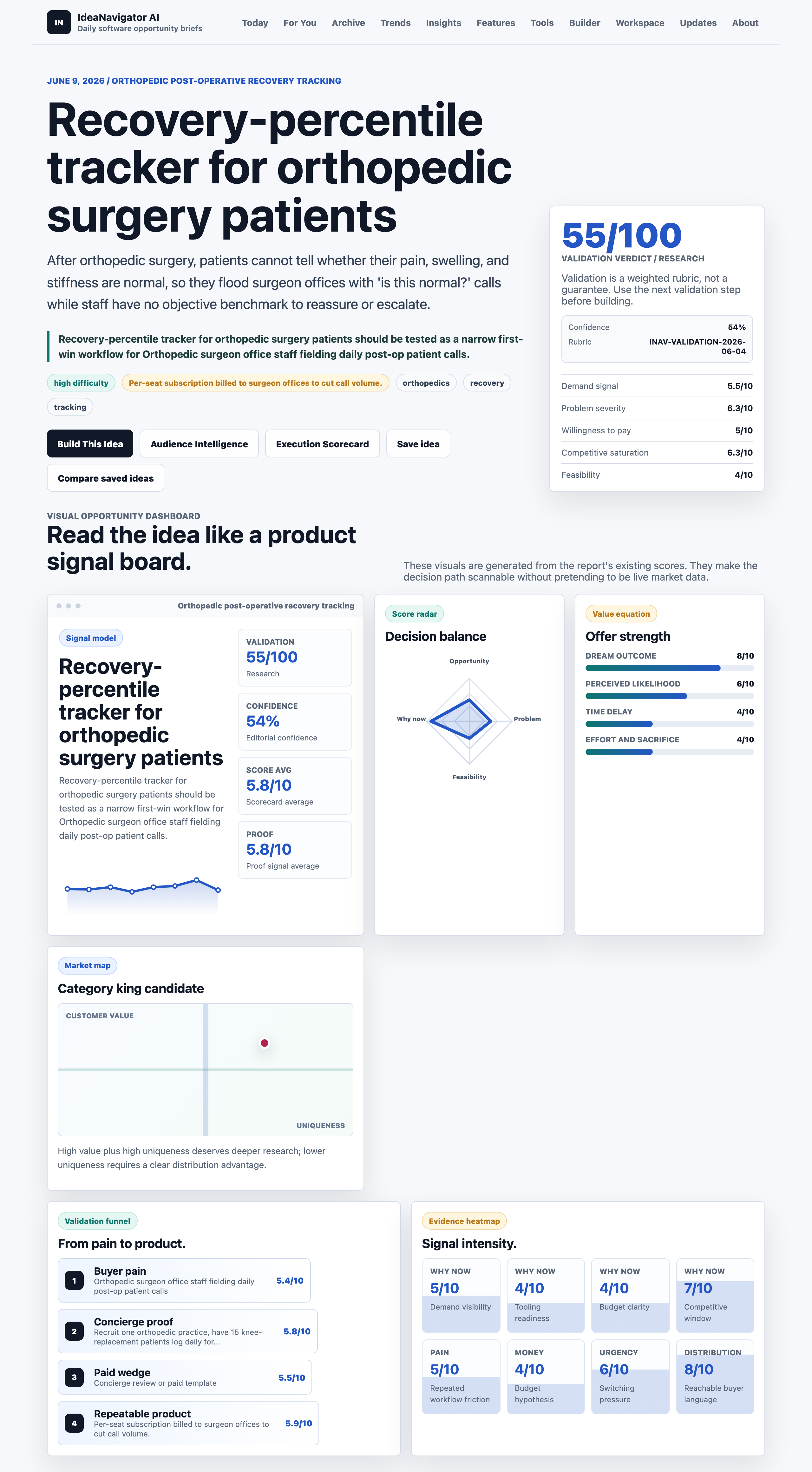
Initial testing involves a pilot with 15 knee-replacement patients over two weeks, with the goal of assessing whether tracked patients make fewer ‘is this normal?’ calls than a control group. The system is billed as a per-seat subscription to orthopedic practices, aiming to reduce call volume and improve patient confidence through data-backed insights.
Experts note that outpatient orthopedic surgeries are increasing, and clinics face staffing shortages, making efficient post-op communication essential. The tracker’s success could lead to broader adoption if pilot results show promising outcomes.
Potential Impact on Post-Operative Care Efficiency
If successful, the recovery-percentile tracker could significantly reduce the volume of post-surgical calls, freeing staff to focus on more complex cases. It may also enhance patient reassurance by providing clear, objective benchmarks of recovery, potentially leading to faster healing and higher patient satisfaction. The approach represents a shift toward data-driven, personalized post-op management in orthopedics, addressing a key challenge faced by busy clinics.
orthopedic recovery tracking device
As an affiliate, we earn on qualifying purchases.
As an affiliate, we earn on qualifying purchases.
Rise of Outpatient Surgeries and Post-Op Challenges
Over recent years, outpatient orthopedic procedures such as knee and hip replacements have increased substantially, driven by advances in surgical techniques and patient preferences. This shift has placed additional pressure on clinic staff, who often handle a high volume of anxious patient calls asking whether their recovery is normal. Currently, there is no standardized, objective way for patients to assess their progress at home, leading to frequent, often unnecessary, communication with clinics.
The concept of using percentile-based tracking to provide patients with personalized benchmarks is emerging as a solution. Pilot programs like the one being tested aim to validate whether this approach can effectively reduce call volume and improve recovery experiences.
“Providing patients with a clear, data-backed view of their recovery can help reduce anxiety and unnecessary calls, streamlining post-op care.”
— an anonymous researcher
As an affiliate, we earn on qualifying purchases.
Uncertainties About Effectiveness and Adoption
It is not yet clear whether the pilot will demonstrate a significant reduction in post-op call volume or improved recovery outcomes. The long-term effectiveness and patient engagement with the system remain to be seen, and broader adoption will depend on pilot results, cost-effectiveness, and integration into clinical workflows.
pain level logging app for surgery
As an affiliate, we earn on qualifying purchases.
As an affiliate, we earn on qualifying purchases.
Next Steps for Validation and Broader Implementation
The current pilot will continue for several weeks, with researchers measuring call volume reduction and patient satisfaction. If results are positive, plans include expanding the trial to additional practices and potentially developing more comprehensive recovery dashboards. Further validation will be needed before widespread adoption in orthopedic clinics becomes feasible.
As an affiliate, we earn on qualifying purchases.
Key Questions
How does the recovery-percentile tracker work?
The system prompts patients to log daily data on pain, mobility, and walking milestones, which are then compared to anonymized recovery curves to generate a percentile ranking of their progress.
Will this system replace in-person follow-ups?
Currently, it is designed to supplement existing care by providing objective progress data, potentially reducing unnecessary calls but not replacing essential in-person visits.
Is this tracker suitable for all orthopedic procedures?
The pilot focuses on knee replacements, but the concept could be adapted for other outpatient orthopedic surgeries depending on validation results.
What are the costs associated with implementing this system?
The system is billed as a per-seat subscription to practices, but exact pricing models are still under development pending pilot outcomes.
When might this system become widely available?
If pilot results are favorable, broader trials and regulatory considerations could lead to wider adoption within the next 1-2 years.
Source: IdeaNavigator AI