

You might be curious about how AI is changing the landscape of wealth management. With advanced technologies like machine learning and natural language processing, wealth managers can now analyze massive data sets more effectively. This shift not only streamlines operations but also enhances client interactions. As these changes unfold, you'll want to consider the implications for investment strategies and client relationships. What does this mean for the future of wealth management?

As the financial landscape evolves, integrating AI into wealth management is transforming how you manage investments and engage with clients. You'll find that key technologies like data analysis and machine learning are revolutionizing your decision-making processes. AI can sift through vast amounts of financial data in mere moments, enabling you to make informed choices faster than ever.
With machine learning algorithms, your strategies can adapt based on real-time data, predicting market trends and enhancing your investment strategies over time.
Natural Language Processing (NLP) is another game-changer, allowing AI systems to understand and respond to client queries effectively. Imagine having a chatbot that can handle routine inquiries, freeing you up to focus on more complex client needs. This technology enhances client communication, providing 24/7 support and fostering stronger relationships.
Robotic Process Automation (RPA) takes this further by streamlining repetitive tasks, like client onboarding and portfolio rebalancing. You'll appreciate how much time you can save, allowing you to dedicate more energy to strategic planning.
The benefits of integrating AI into wealth management extend beyond efficiency. You'll be able to offer hyper-personalized services tailored to individual client needs by analyzing their unique data. This level of personalization can lead to higher client satisfaction and loyalty. Furthermore, AI's ability to process vast amounts of financial data allows wealth managers to identify tax-saving opportunities and optimize asset allocation effectively.
Additionally, AI's predictive analytics capabilities allow you to manage risks proactively. By forecasting market trends, you can adjust strategies before potential downturns affect your portfolios.
Cost reduction is another significant advantage. Automating routine tasks reduces operational costs and improves scalability, making it easier for you to grow your practice without compromising service quality. Transparency also improves, as AI provides explainable decisions that enhance client understanding of investment strategies.
Looking ahead, the growth of AI-managed assets is projected to reach nearly $6 trillion by 2027. This trend highlights the increasing adoption of AI in wealth management operations. As you embrace these technologies, you'll experience enhanced decision-making, real-time portfolio monitoring, and continuous learning, ensuring your financial strategies remain accurate and effective.
In this rapidly changing environment, staying ahead means leveraging AI's potential. By embracing these advancements, you'll not only improve your operational efficiency but also elevate your client relationships, ensuring a prosperous future in wealth management.
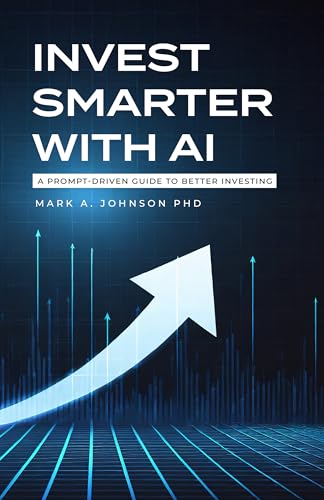
Invest Smarter with AI: A Practical Guide to Long-Term Investing, Financial Planning, and Building Wealth
As an affiliate, we earn on qualifying purchases.
As an affiliate, we earn on qualifying purchases.

Financial Statements Analysis with ChatGPT: Learn how to save time by building simple AI-powered financial data analysis tools in Python
As an affiliate, we earn on qualifying purchases.
As an affiliate, we earn on qualifying purchases.
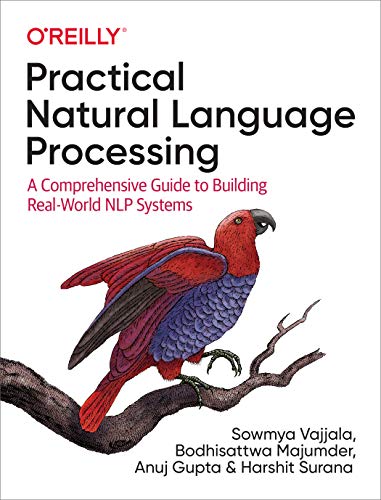
Practical Natural Language Processing: A Comprehensive Guide to Building Real-World NLP Systems
As an affiliate, we earn on qualifying purchases.
As an affiliate, we earn on qualifying purchases.

Robotic Process Automation in Finance: Concise Guide
As an affiliate, we earn on qualifying purchases.
As an affiliate, we earn on qualifying purchases.