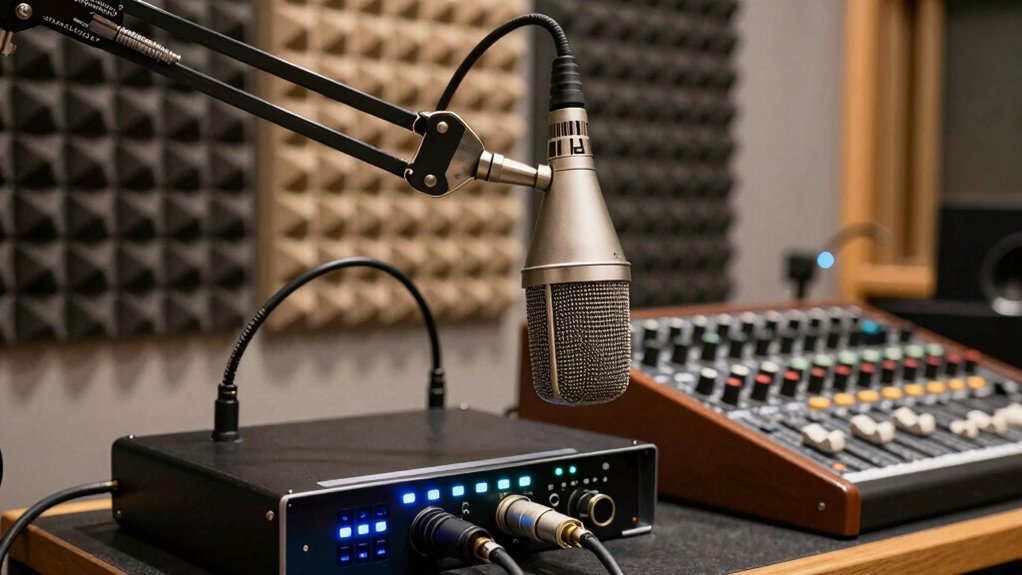

With XLR audio setups, you gain more flexibility and control than with USB mics. You can connect wirelessly, choose your own microphones, and upgrade components as needed. External power sources improve sound quality and reliability, ideal for professional use. Plus, XLR systems easily integrate with other equipment, making them more expandable and future-proof. If you want to discover exactly how these advantages work together, keep going to explore the details.

Get hardware and tech essentials delivered free — and shop member deals
- Fast, free delivery on millions of items
- Access to Prime Big Deal Days deals on October 6–7
- Prime Video, Amazon Music and more included
Key Takeaways
- XLR setups support wireless connectivity, enabling greater mobility and cable-free operation for live performances and broadcasting.
- They require external power, providing more consistent performance and better sound quality control.
- XLR systems are highly expandable, allowing integration with other professional audio equipment for future upgrades.
- They offer extensive customization options by selecting specific microphones, preamps, and audio interfaces.
- Modular design allows for component upgrades over time, making XLR setups more adaptable and cost-effective in the long run.
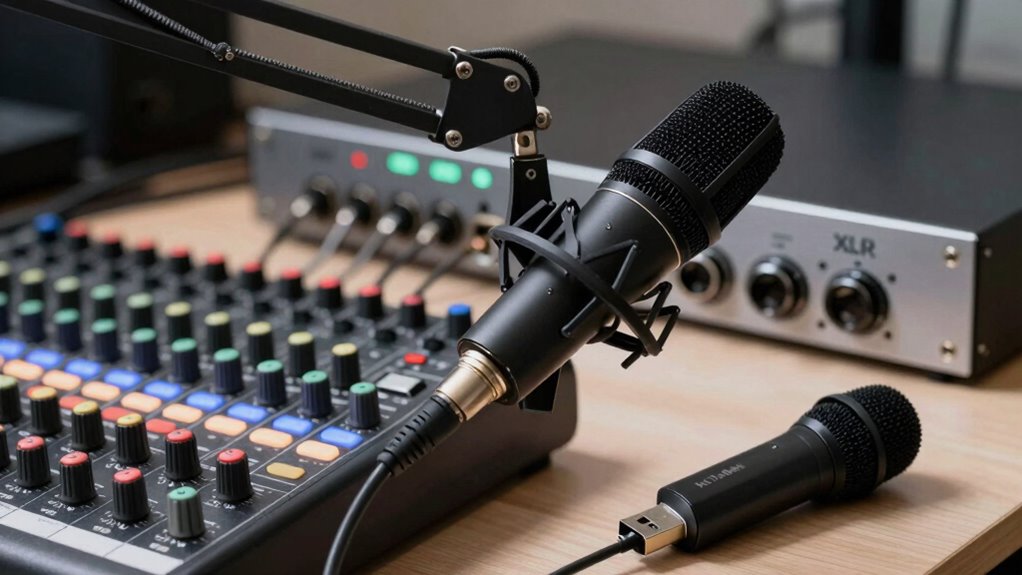
When choosing a microphone setup, understanding the differences between XLR audio setups and USB mics is vital. One of the key advantages of XLR setups is their superior wireless connectivity options. Unlike USB mics, which typically rely on a direct cable connection to your computer or recording device, XLR microphones can be integrated into wireless systems, giving you greater flexibility. With XLR, you can connect to wireless transmitters or digital wireless systems, allowing you to move freely without being tethered to a desk or studio. This is especially beneficial for live performances, broadcasting, or any scenario where mobility matters. The ability to incorporate wireless connectivity means you’re not limited by cable length, and you can position your microphone exactly where it sounds best, enhancing your overall audio quality. Additionally, the digital security of wireless systems can be a concern, so choosing encrypted wireless options can help protect your audio signals from interference or eavesdropping. Incorporating reliable encryption is essential for safeguarding sensitive broadcasts or professional recordings.
Power supply options also set XLR setups apart from USB microphones. XLR microphones usually require an external power source, typically phantom power supplied through the audio interface or mixer. This setup offers a more consistent and reliable power supply, which can improve the microphone’s performance and longevity. Additionally, since the power is managed externally, you can easily replace or upgrade power sources without affecting the microphone itself. In contrast, USB mics are powered through the USB connection to your computer. While this makes setup straightforward and eliminates the need for external power supplies, it can limit the microphone’s performance in terms of gain and headroom. The external power options in XLR setups translate into better control over your sound, especially in professional environments where high-quality audio is vital. Furthermore, the expandability of XLR systems allows for future upgrades and integration with other professional audio equipment, making them a more sustainable choice for serious users. A flexible setup can also adapt to different recording scenarios, which is a significant benefit for evolving audio needs. This adaptability is particularly important for users who wish to grow their audio systems over time. Moreover, the customization options available through modular components enable users to tailor their setups precisely to their specific requirements, further emphasizing the versatility of XLR systems.
Furthermore, the modular nature of XLR setups allows for greater customization. You can choose from a wide range of microphones, preamps, and audio interfaces to tailor your setup to your needs. This modularity also means you can upgrade individual components over time without replacing the entire system, making XLR setups a more cost-effective long-term investment. USB microphones, on the other hand, tend to be all-in-one solutions that are easy to use but lack the flexibility for extensive upgrades or professional-grade customization. If you’re serious about audio quality, the ability to select and control your wireless connectivity options and power supply sources makes XLR setups a compelling choice, offering a level of control and performance that USB mics simply can’t match.
As an affiliate, we earn on qualifying purchases.
Frequently Asked Questions
Can XLR Setups Be Used With Portable Devices?
Yes, XLR setups can be used with portable devices, but you’ll need additional equipment like an audio interface or a portable mixer. This adds device versatility, allowing you to connect professional microphones to smartphones, tablets, or laptops. Portable compatibility is achievable, but it requires carrying extra gear. Overall, XLR setups offer flexibility for on-the-go recording, making them a great choice if you’re willing to invest in the right accessories.
Do XLR Systems Require Special Software or Drivers?
XLR systems generally don’t require special software or drivers for digital compatibility, but you might need specific software if you’re connecting to computers or recording equipment. Unlike USB mics, which are plug-and-play, XLR setups often depend on mixers or audio interfaces that handle digital conversion. These interfaces may require drivers, but once installed, they usually work seamlessly, providing more control and higher audio quality.
How Long Does Setup and Configuration Typically Take?
Setting up your XLR system usually takes about 15 to 30 minutes. You’ll connect your microphone to an audio interface using an XLR cable, then plug the interface into your computer. Good cable management helps prevent clutter and signal issues. Once connected, you’ll configure your audio settings, which might take a few extra minutes. Overall, patience guarantees a clean, professional sound setup.
Are XLR Microphones More Durable Than USB Mics?
Think of XLR microphones as seasoned explorers, built to withstand the storms of daily use. Their superior build quality often makes them more durable than USB mics, which can be more delicate. Microphone durability varies, but XLRs typically feature rugged materials and solid construction, designed for longevity. If you need a microphone that endures, the sturdy design of XLR setups makes them a reliable choice for continuous use.
What Are the Initial Costs Compared to USB Microphone Kits?
XLR audio setups typically cost more upfront than USB microphones. The cost comparison shows you’ll need to invest in an audio interface, XLR cables, and possibly a mixer, which can add up quickly. While USB mics are budget-friendly and easy to use, XLR setups are better for professional quality but require a higher initial investment. Consider your budget considerations carefully to decide which option fits your needs and long-term goals.
professional audio interface with phantom power
As an affiliate, we earn on qualifying purchases.
As an affiliate, we earn on qualifying purchases.
Conclusion
In the battle of audio setups, XLR systems are the undisputed champions, offering unparalleled flexibility and professionalism that USB mics simply can’t match. While USB mics are convenient and easy, they’re like a bicycle compared to XLR’s spaceship—capable of extraordinary sound quality and endless customization. If you’re serious about your audio game, investing in XLR gear isn’t just an upgrade; it’s a leap into a whole new universe of sound mastery that will elevate your recordings to legendary status.
As an affiliate, we earn on qualifying purchases.
wireless microphone transmitter and receiver
As an affiliate, we earn on qualifying purchases.
As an affiliate, we earn on qualifying purchases.
Fall Picks
fall essentials
As an affiliate, we earn on qualifying purchases.