

Illinois is on the verge of a significant financial shift with the proposed Strategic Bitcoin Reserve Act. By positioning Bitcoin as a vital asset, the state aims to combat inflation and bolster its financial resilience. If this legislation passes, it could pave the way for other states to follow suit. What implications might this have for the future of state finances and the broader landscape of cryptocurrency?
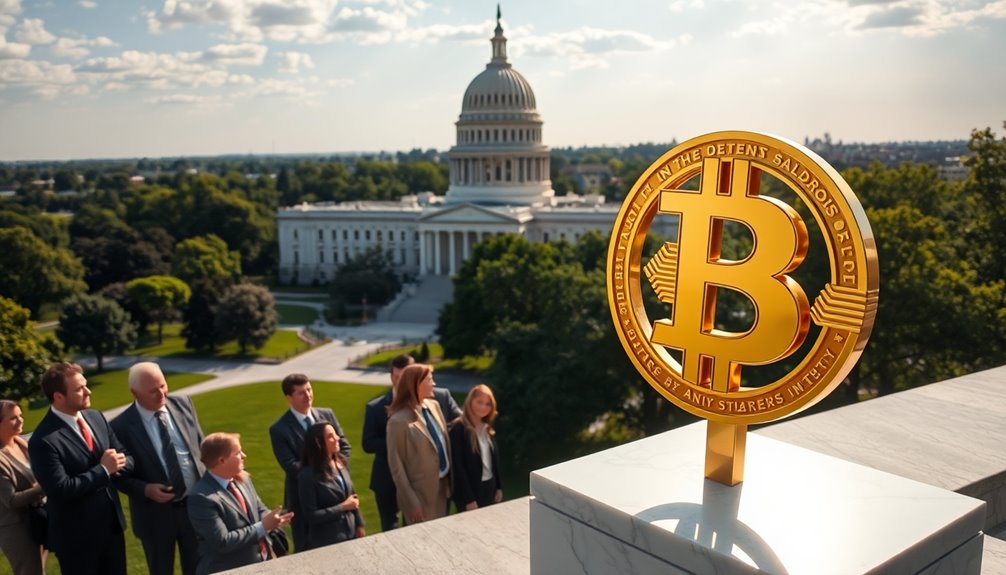
As Illinois considers new strategies to bolster its financial security, State Representative John M. Cabello has introduced House Bill 1844, known as the Strategic Bitcoin Reserve Act. This bill aims to establish Bitcoin as a decentralized, finite digital asset that can serve as a hedge against inflation and economic volatility. By creating this reserve, Illinois is positioning itself to enhance financial security for its residents amid fluctuating economic conditions.
Under the proposed legislation, the State Treasurer will oversee the Strategic Bitcoin Reserve Fund, ensuring that the management of these digital assets remains transparent and accountable. The bill requires regular reports, empowering the Treasurer to set necessary rules for the fund's operations. Additionally, it allows for Bitcoin donations from residents and government entities, fostering a community-driven approach to this innovative financial strategy.
The potential economic implications of the Bitcoin reserve are significant. Bitcoin has garnered attention as an inflation hedge, particularly in times of economic uncertainty. By investing in Bitcoin, Illinois could bolster its financial resilience and set a precedent for other states to follow. The bill mandates a minimum holding period of five years for the Bitcoin in the reserve, emphasizing a long-term investment strategy aimed at stabilizing state finances. States like Alabama and Florida are also exploring similar initiatives for creating bitcoin reserves.
Establishing a Bitcoin reserve could also influence Bitcoin prices and market stability, as Illinois joins a growing trend among states exploring cryptocurrency investments. The move reflects Illinois' commitment to fostering innovation in the digital asset space and could stimulate economic development across the state.
Currently, the bill is in the legislative process, awaiting further approval. It provides clarity on the management and oversight of the Bitcoin reserve, addressing potential legal and regulatory concerns. The establishment of a state Bitcoin reserve may even influence federal policies surrounding cryptocurrency, prompting a conversation about state-federal coordination in this evolving financial landscape.
While states like Texas and Arizona pursue similar initiatives, Illinois differentiates itself by focusing on a structured reserve rather than merely investing in Bitcoin ETFs or blockchain adoption. With at least 15 states considering or introducing Bitcoin reserve bills, Illinois stands poised to lead the charge.
As you observe these developments, keep an eye on how this initiative could transform not only the state's financial future but also the broader national approach to cryptocurrency reserves.