

You've likely noticed the recent turbulence in the crypto market. Speculative trading, market sentiment shifts, and macroeconomic factors are all at play. Traders are reacting to news and rumors, while political and regulatory developments add layers of uncertainty. With inflation rising and central banks adjusting interest rates, many are turning to crypto as a hedge. But what does this mean for future price movements? The answers might surprise you.

Get hardware and tech essentials delivered free with Prime
- Fast, free delivery on millions of items
- Prime Video, Amazon Music and more included
- Member-only deals all year
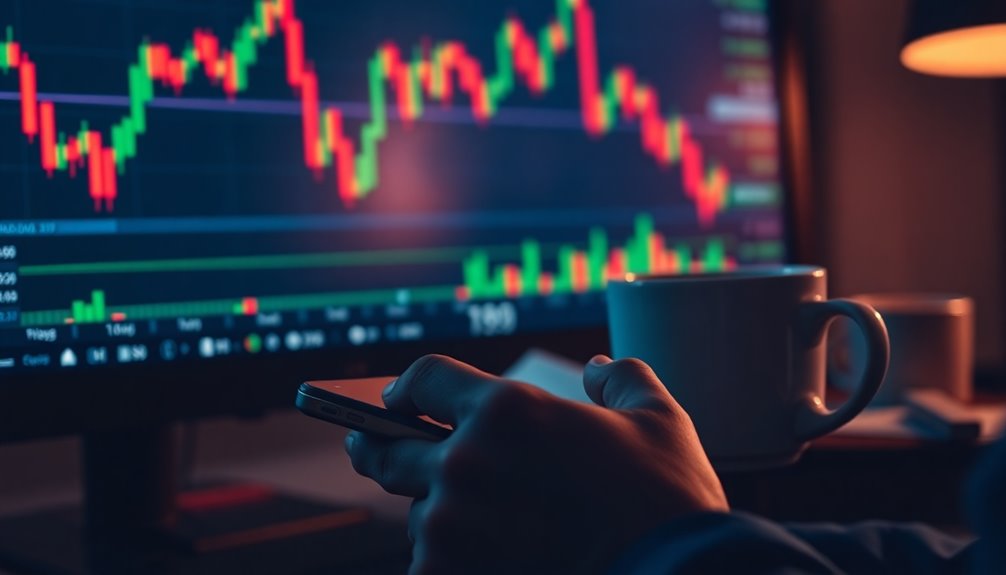
As you navigate the ever-changing landscape of cryptocurrencies, it's crucial to understand the factors driving market volatility. One major contributor is speculative trading, where traders often base their actions on anticipated market movements rather than the intrinsic value of the assets. This speculative behavior can lead to rapid price swings, as traders react impulsively to market trends, news, or rumors.
Political events also play a significant role in shaping market dynamics. Announcements from governments or significant political happenings can impact liquidity and market stability. When investor confidence wavers due to political uncertainty, prices can fluctuate dramatically. Similarly, regulatory changes can create waves in the crypto markets. When new regulations are introduced, investors may scramble to adjust their strategies, resulting in increased volatility as everyone tries to gauge how these changes will affect asset values. Political events can significantly impact liquidity and market stability. Additionally, understanding tax-efficient growth strategies for cryptocurrency investments can help investors make more informed decisions during volatile periods.
Liquidity factors are another important element. When major liquidations come to an end, the market may stabilize, reducing sudden price swings. Conversely, low liquidity can lead to more erratic price movements, as fewer buy and sell orders can create larger shifts in price.
Market sentiment, driven by news and rumors, also significantly influences crypto prices. If the mood is optimistic, you might see prices soar; but if bearish sentiments take over, expect declines.
Macroeconomic influences shouldn't be overlooked either. For instance, when inflation rates rise, you might find more investors flocking to cryptocurrencies as a hedge against traditional currency devaluation. This shift can drive demand and potentially increase prices. On the flip side, central banks raising interest rates can make traditional investments more attractive, leading to reduced demand for crypto assets. Economic growth can further affect investor confidence and risk appetite, shaping the crypto market landscape.
The correlation between crypto markets and equity markets can add another layer of complexity. When there's volatility in the stock market, you might notice similar movements in crypto prices. Additionally, key indicators like Consumer Price Index (CPI) data serve as vital signals for inflation, which can also influence cryptocurrency volatility.
The regulatory environment remains a critical factor. A lack of clear regulations can contribute to uncertainty, making investors hesitant. However, positive political support for crypto-friendly regulations can help stabilize the market, fostering a more conducive environment. Unfortunately, the unique nature of cryptocurrencies poses challenges for regulators, resulting in inconsistent approaches that can further fuel volatility.
Finally, market tools like derivatives and leverage amplify price movements, while unique supply dynamics, such as fixed supply caps, also contribute to volatility. Large holders, often referred to as whales, can significantly impact market movements, causing drastic price changes.
Understanding these interconnected factors can help you navigate the unpredictable waters of cryptocurrency trading more effectively.
Halloween Picks
halloween
As an affiliate, we earn on qualifying purchases.