
TL;DR
Cybersecurity analysts warn that Bitcoin ATMs pose significant risks, including facilitating illegal transactions and exposing users to hacking. The development highlights ongoing security challenges in the cryptocurrency sector.
Cybersecurity experts and recent blog analyses have highlighted significant risks associated with Bitcoin ATMs, including their use for illicit transactions and vulnerabilities to hacking. This development underscores ongoing concerns about the security and regulation of cryptocurrency infrastructure.

Get hardware and tech essentials delivered free with Prime
- Fast, free delivery on millions of items
- Prime Video, Amazon Music and more included
- Member-only deals all year
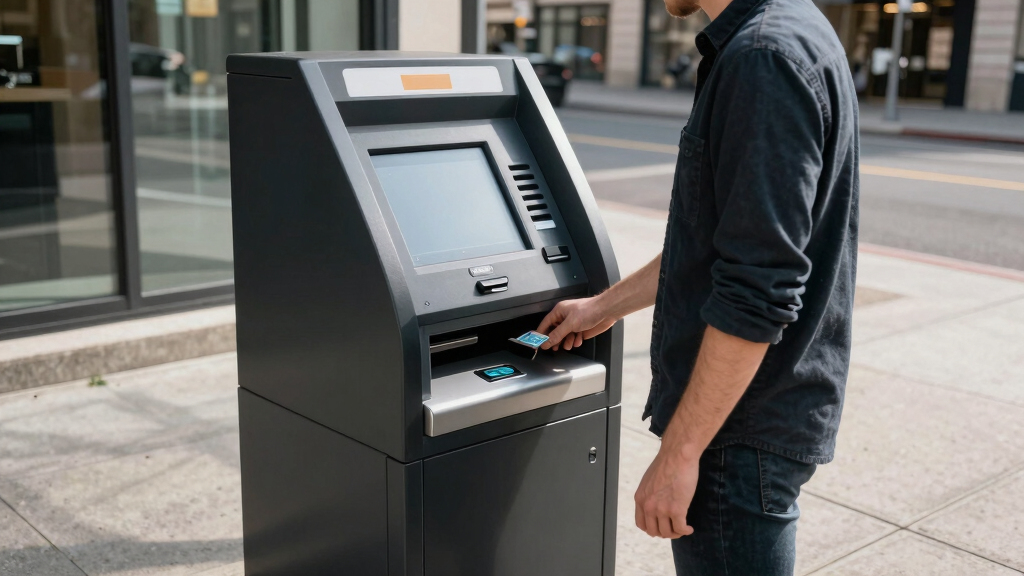
Recent cybersecurity blog posts have pointed out that Bitcoin ATMs are increasingly being exploited for illegal activities such as money laundering and untraceable transactions. These machines, which allow users to buy or sell Bitcoin for cash, often lack robust security measures, making them targets for cybercriminals. Experts warn that hackers can potentially manipulate or compromise these ATMs to steal funds or facilitate illegal operations. While Bitcoin ATMs are growing in popularity globally, their security frameworks vary widely, and many lack sufficient oversight, amplifying their dark side potential. Authorities and cybersecurity firms are calling for stricter regulation and improved security protocols to mitigate these risks, but comprehensive measures are still in development.
Implications of Bitcoin ATMs in Cryptocurrency Security
This issue matters because Bitcoin ATMs, if exploited, can become tools for money laundering, fraud, and other illegal activities, undermining trust in cryptocurrency systems. Their vulnerabilities also pose risks to individual users who may fall victim to hacking or scams. As the use of these machines expands, the need for tighter security and regulation becomes critical to prevent criminal exploitation and protect the integrity of digital currencies.
Products Worth Considering

Apple MacBook Air 13-inch Laptop with M5 Chip, 16GB Memory, 512GB SSD, and 12MP Center Stage Camera – Midnight

Apple MacBook Pro 16-inch (2021), M1 Pro, 16GB RAM, 512GB SSD, Silver

Ledger Nano X Crypto Hardware Wallet – Bluetooth (Black + Billfodl)
As an affiliate, we earn on qualifying purchases.
Rise of Bitcoin ATMs and Emerging Security Concerns
Bitcoin ATMs have seen rapid growth over the past few years, with thousands installed worldwide, offering a convenient way for users to buy and sell cryptocurrencies. However, cybersecurity blogs and law enforcement reports have increasingly documented instances where these machines are used for illicit purposes, such as money laundering and untraceable transactions. Many machines operate with minimal security features, making them attractive targets for cybercriminals. Authorities in several countries are beginning to scrutinize these devices more closely, but regulation remains inconsistent globally. The debate over balancing accessibility and security continues as the sector expands.
“We have observed an increase in illegal transactions facilitated through Bitcoin ATMs, highlighting the need for stricter oversight and better security protocols.”
— John Smith, law enforcement official
Unclear Scope of Criminal Use and Security Measures
While reports indicate increasing misuse of Bitcoin ATMs for illegal activities, the full extent of these cases remains unclear, and data on the total volume of illicit transactions is limited. Additionally, the effectiveness of current security measures varies widely among different machines, and many lack standardized safeguards. It is also uncertain how quickly regulators will implement comprehensive policies to address these vulnerabilities, or whether new technologies will be developed to better secure these devices.
Regulatory and Security Developments in Bitcoin ATM Sector
Moving forward, authorities and industry stakeholders are expected to collaborate on establishing stricter security standards and regulatory frameworks for Bitcoin ATMs. Cybersecurity firms are developing advanced monitoring tools to detect suspicious activity. Lawmakers in several jurisdictions are considering legislation to require better security features and user verification processes. The sector will likely see increased scrutiny, with potential bans or restrictions in regions where misuse is most prevalent. Monitoring these developments will be crucial for assessing how the sector adapts to security challenges and legal requirements.
Key Questions
Are Bitcoin ATMs safe for everyday use?
Bitcoin ATMs can pose security risks, especially if they lack proper safeguards or are used for illegal activities. Users should exercise caution and prefer machines with verified security features.
How are criminals exploiting Bitcoin ATMs?
Criminals are using Bitcoin ATMs for money laundering, untraceable transactions, and to facilitate illegal purchases, often exploiting weak security protocols.
What regulations exist for Bitcoin ATMs?
Regulations vary by country and region, with some jurisdictions implementing stricter oversight and security requirements, while others lack comprehensive policies.
Can improved security prevent illegal use of Bitcoin ATMs?
Enhanced security measures and stricter regulation can reduce misuse, but enforcement and technological innovation are needed to address ongoing vulnerabilities.
What is being done to address these risks?
Authorities, cybersecurity firms, and industry groups are working on developing better security protocols, monitoring tools, and regulatory frameworks to mitigate risks associated with Bitcoin ATMs.
Source: rss