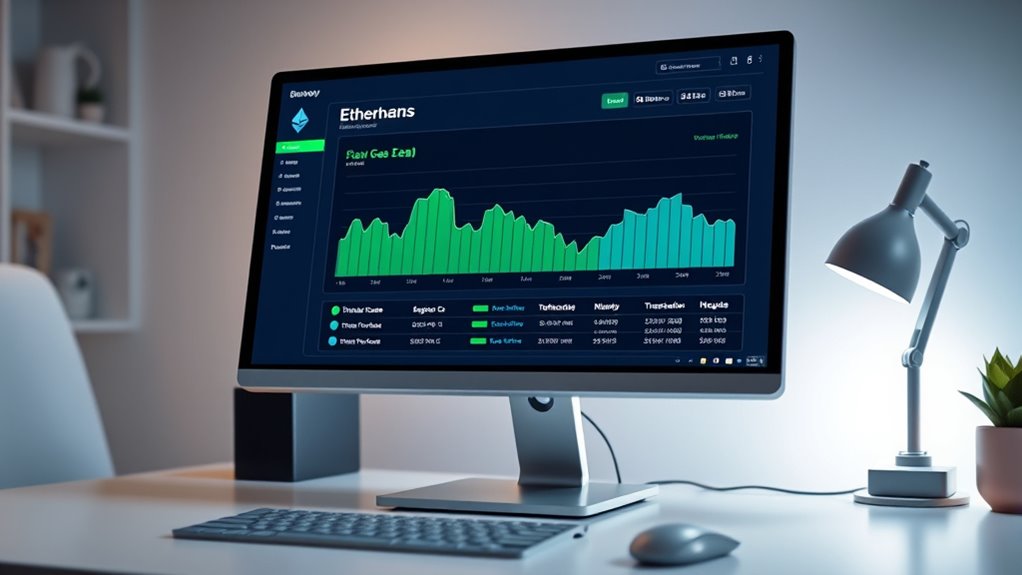

Recent Ethereum upgrades have successfully lowered gas prices by boosting network efficiency and reducing congestion. This means your transactions now cost less and process faster, making DeFi activities more affordable and accessible. The improvements help prevent high fee spikes during busy periods, so you can interact with the blockchain smoothly. If you’re curious about how these enhancements work and what they mean for your crypto experience, there’s more to discover ahead.

Get hardware and tech essentials delivered free with Prime
- Fast, free delivery on millions of items
- Prime Video, Amazon Music and more included
- Member-only deals all year
Key Takeaways
- Recent network upgrades have enhanced Ethereum’s scalability, leading to lower gas fees for users.
- Improved efficiency reduces network congestion, decreasing transaction costs during peak times.
- Layer 2 solutions now process transactions off-chain, further lowering gas prices for DeFi activities.
- Faster transaction processing times contribute to reduced fees and improved user experience.
- Overall ecosystem improvements encourage broader adoption due to more affordable and accessible transactions.
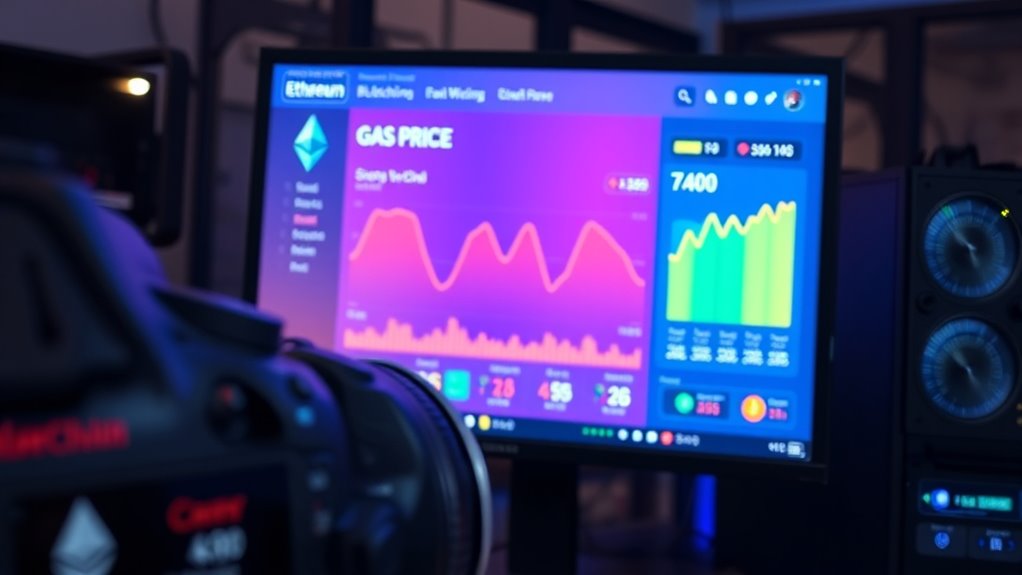
Ethereum users have long grappled with high transaction fees, especially during network congestion. These costs can be a real barrier, making it expensive to execute smart contracts, participate in decentralized finance (DeFi), or simply transfer assets. However, recent upgrades and innovations are beginning to change that landscape. One key development is Layer 2 scaling solutions, which are designed to ease the load on the main Ethereum chain. By moving transactions off the mainnet, Layer 2 protocols like rollups and state channels markedly reduce gas fees, making the network more accessible and cost-effective.
Layer 2 scaling works by processing transactions outside the Ethereum mainnet and then submitting compressed or summarized data back to the main chain. This approach not only speeds up transaction times but also lowers costs, since you’re not paying high gas fees for every interaction. For users engaged in decentralized finance, this is a game-changer. DeFi protocols often involve multiple transactions, from swapping tokens to lending or borrowing, which can quickly rack up fees during congestion. With Layer 2 solutions, you can perform these actions more cheaply and efficiently, encouraging broader participation and innovation within the DeFi ecosystem.
The recent network upgrades have also improved overall efficiency, leading to a noteworthy drop in gas prices. These improvements mean your transactions are processed faster and at a fraction of the previous cost. As the network becomes more scalable, you’ll notice fewer delays and less frustration during peak times. The combination of Layer 2 scaling and ongoing protocol upgrades is creating a more user-friendly experience, helping to attract both newcomers and seasoned crypto users.
This shift toward lower fees benefits not just individual users but the entire Ethereum ecosystem. Developers are more motivated to build complex DeFi applications now that operational costs are manageable. More users can participate without fear of exorbitant fees eating into their profits or savings. This increased accessibility fosters a vibrant, innovative environment where decentralized finance can thrive and reach mainstream audiences.
Frequently Asked Questions
How Long Will the Fee Relief Last After the Upgrade?
You can expect the fee relief to last for several months, but its sustainability depends on network usage and ongoing improvements. The upgrade’s efficiency boosts help reduce gas prices temporarily, yet fee sustainability relies on how quickly transaction volumes grow and if future upgrades maintain or enhance these gains. While the current relief shows promising upgrade longevity, keep in mind that market dynamics could influence how long this benefit continues.
Will Fee Reductions Apply to All Types of Transactions?
Yes, the fee reductions will generally apply to all types of transactions, but the actual savings depend on network congestion. When congestion is low, your transaction fee drops markedly, making transfers faster and cheaper. However, during peak times, fees might still be higher despite the upgrade. So, while most transactions benefit from the reduced gas prices, network congestion can influence the extent of the fee relief you experience.
How Does the Upgrade Impact Transaction Confirmation Times?
Imagine you’re dialing up your favorite old-school modem—now, with the upgrade, your transactions confirm faster, like a dial-up becoming broadband. The upgrade improves blockchain scalability, reducing congestion and enabling quicker confirmation times. It also refines transaction prioritization, ensuring high-value transactions go through swiftly. As a result, you experience less waiting, and your activities on the network move more smoothly, making Ethereum more efficient and user-friendly.
Are There Any Risks Associated With the Recent Fee Changes?
You might worry about risks from the recent fee changes, but they mainly boost network security by maintaining miner incentives. Lower gas prices could reduce miner rewards, potentially impacting network stability if not balanced properly. However, Ethereum’s upgrade aims to optimize efficiency without compromising security. Keep an eye on network activity and miner participation, as sustained incentives are vital for maintaining a safe, secure blockchain environment.
How Does Ethereum’s Fee Adjustment Compare to Other Blockchains?
You’ll find that Ethereum’s fee adjustments now make transactions cheaper, especially with Layer 2 solutions like rollups, which reduce mainnet costs. Compared to other blockchains, Ethereum’s fees are more dynamic, benefiting from improvements in efficiency and scalability. Cross-chain interoperability also helps lower costs by enabling seamless asset transfers between chains, further optimizing user experience. Overall, Ethereum’s fee management becomes more competitive as these upgrades and solutions continue to evolve.
Conclusion
As gas prices drop and efficiency improves, you can breathe easier knowing Ethereum’s upgrades are paving the way for smoother transactions. Remember, a rising tide lifts all boats—this boost benefits everyone in the ecosystem. Stay tuned and keep your eyes on the network’s progress; brighter days are ahead. With each step forward, you’re part of a journey toward a more affordable and accessible blockchain experience. Keep riding the wave of innovation!
Fall Picks
fall essentials
As an affiliate, we earn on qualifying purchases.