
TL;DR

Get hardware and tech essentials delivered free — and shop member deals
- Fast, free delivery on millions of items
- Access to Prime Big Deal Days deals on October 6–7
- Prime Video, Amazon Music and more included
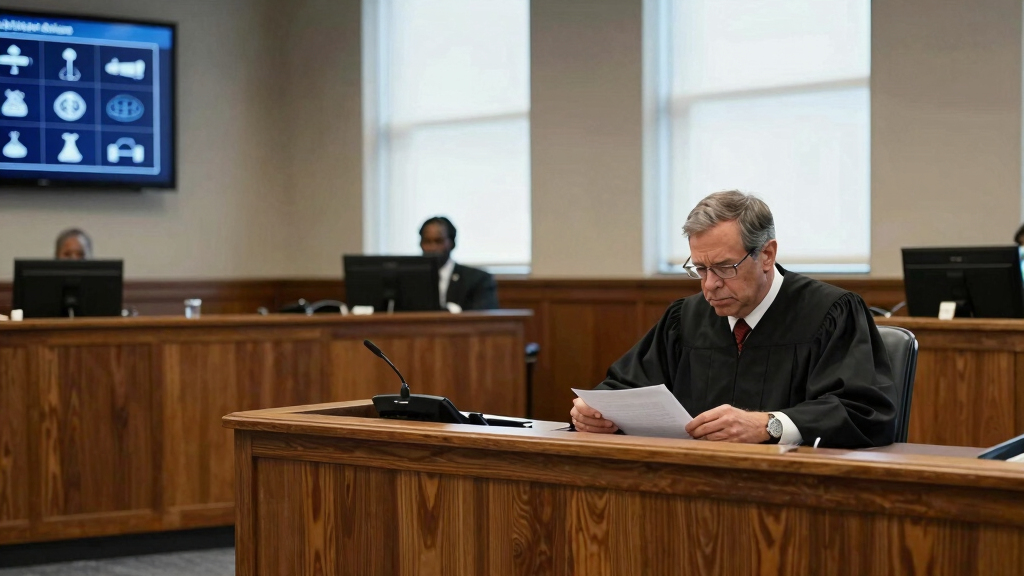
During a Supreme Court session, Justice Samuel Alito appeared visibly testy while Justice Sonia Sotomayor read a dissent on asylum policy. The exchange raised questions about courtroom conduct but the specifics remain unclear.
During a recent Supreme Court session, Justice Samuel Alito appeared visibly testy while Justice Sonia Sotomayor read her dissent on asylum policy, drawing attention to courtroom decorum and the dynamics among the justices.
The incident occurred as Justice Sotomayor was delivering her dissent on a case involving asylum policy, which the majority of the court had upheld. Witnesses and court observers noted that Justice Alito showed signs of agitation, including facial expressions and body language, that appeared to reflect frustration or disagreement. The exchange was not verbal but was captured by court observers and reported by media outlets such as The Hill.
Alito’s apparent testiness was not accompanied by any verbal confrontation or official comment during the session. Court officials have not issued any statements about the incident. The event has sparked discussions among legal analysts and observers about courtroom decorum and the nature of interactions among the justices during oral proceedings.
Legal experts emphasize that such displays are rare but not unprecedented, and they often prompt debate about the professionalism and collegiality within the Supreme Court. The specific reasons for Alito’s demeanor remain unconfirmed, and it is unclear whether it was related to the substance of Sotomayor’s dissent or other factors.
Implications of Justice Alito’s Behavior in Court
This incident raises questions about decorum and professionalism among Supreme Court justices, particularly during contentious cases. While disagreements are common, visible signs of frustration can influence public perception of the court’s impartiality and collegiality. Such displays may also impact the court’s internal dynamics, affecting how justices communicate and deliberate on cases.
For the public and legal community, the event underscores the importance of maintaining decorum in high-stakes judicial proceedings, especially given the court’s influential role in shaping policy and law. It also prompts consideration of how such moments are perceived and whether they affect the court’s reputation for neutrality and respect among its members.
Supreme Court courtroom decorum book
As an affiliate, we earn on qualifying purchases.
As an affiliate, we earn on qualifying purchases.
Recent Court Disagreements and Justice Interactions
The Supreme Court has recently been the focus of attention due to high-profile cases involving immigration, asylum, and other contentious issues. Justices Sotomayor and Alito have often expressed divergent views, with Sotomayor frequently dissenting from majority rulings. Disagreements among justices are common, but visible signs of frustration are less typical.
This incident follows a series of tense exchanges and public debates about the court’s direction, ideological balance, and internal civility. Historically, the court has experienced moments of visible disagreement, but court observers note that such displays can influence public confidence in the judiciary’s professionalism.
It is important to clarify that the event appears to be a momentary display rather than an ongoing conflict, but it adds to the ongoing narrative of tension within the court.
“Alito’s body language was noticeably tense, but there was no verbal exchange. It offers a rare glimpse into the human side of the court.”
— Court observer John Smith
legal professional courtroom etiquette guide
As an affiliate, we earn on qualifying purchases.
As an affiliate, we earn on qualifying purchases.
Unconfirmed Reasons Behind Alito’s Testiness
It is not yet clear what specifically caused Justice Alito’s visible frustration. Court officials have not issued any statements, and no official transcripts or recordings confirm the internal reasoning. Some analysts speculate it may relate to the content of Sotomayor’s dissent, while others suggest it could be unrelated personal factors or internal court dynamics.
Further details about the incident remain unavailable, and it is uncertain whether this will lead to any formal reprimand or internal discussion among the justices.
judicial behavior and conduct training
As an affiliate, we earn on qualifying purchases.
As an affiliate, we earn on qualifying purchases.
Next Steps in Monitoring Court Behavior
Legal observers and court watchers will likely scrutinize future sessions for similar behavior or signs of tension among justices. The Supreme Court may also face questions from the media and public about decorum and internal conduct, especially if more incidents occur.
Additionally, the court’s administrative office might review the incident or issue guidance on courtroom conduct if deemed necessary. No official disciplinary action or statements are anticipated at this stage.
courtroom behavior training for lawyers
As an affiliate, we earn on qualifying purchases.
As an affiliate, we earn on qualifying purchases.
Key Questions
Did Justice Alito make any verbal comments during the incident?
No, reports indicate that Alito’s display of testiness was non-verbal, observed through facial expressions and body language, with no recorded verbal exchange.
Has the Supreme Court issued any statement about the incident?
No, the court has not issued any formal statement or comment regarding Justice Alito’s behavior during the session.
Is this kind of behavior common among justices?
Such visible signs of frustration are infrequent; however, they are occasionally observed and can attract media and public attention when they occur.
Could this incident affect the court’s reputation?
Potentially, if such displays become more frequent or are perceived as unprofessional, they could influence public perception of the court’s collegiality and impartiality.
Will there be any disciplinary action against Justice Alito?
There is currently no indication of any disciplinary proceedings; the incident appears to be a momentary display rather than a breach warranting formal action.
Source: google-trends
Halloween Picks
halloween
As an affiliate, we earn on qualifying purchases.