
TL;DR
Get ready for Prime Big Deal Days — try Prime free
Exclusive member deals on October 6–7, plus fast free delivery. Cancel anytime.
Start your free trialAs an affiliate, we earn on qualifying purchases.
Russia’s veterinary watchdog confirmed the presence of live pseudorabies virus in a batch of dog vaccines. The batch is linked to numerous animal deaths, prompting safety investigations. The discovery raises concerns about vaccine safety and regulatory oversight.
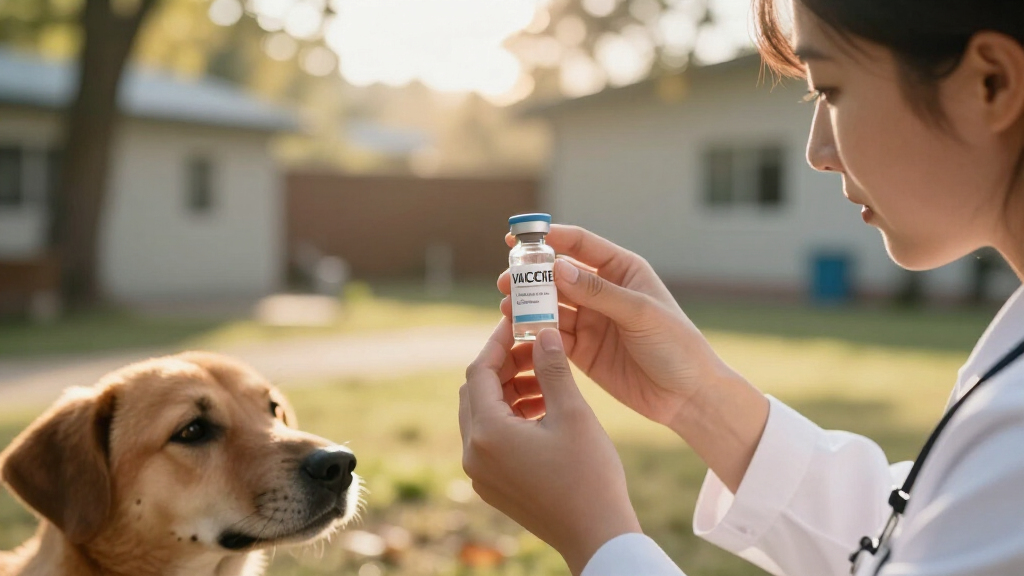
Russia’s veterinary watchdog has confirmed the detection of live pseudorabies virus in a batch of dog vaccines, which has been linked to mass animal deaths. This discovery raises urgent safety concerns and prompts a government investigation into vaccine manufacturing practices and regulatory oversight.
The Russian Federal Service for Veterinary and Phytosanitary Surveillance (Rosselkhoznadzor) announced that laboratory tests identified live pseudorabies virus in a specific batch of dog vaccines. The batch was used in several regions and is associated with reports of sudden and widespread animal fatalities. The agency has temporarily halted distribution of the affected vaccines and is conducting a comprehensive review of manufacturing processes.
According to Rosselkhoznadzor, initial testing revealed the presence of live pseudorabies virus, a pathogen that can cause severe neurological and respiratory symptoms in animals. The virus was detected during routine safety checks following reports of unusual animal deaths in multiple districts. The agency emphasized that the batch has been isolated, and no human infections have been reported so far. The vaccine manufacturer has been notified and is cooperating with authorities.
Animal health officials and veterinary experts are now investigating whether the contaminated batch was distributed more broadly and assessing the potential risks to other animals and, possibly, humans. The situation is evolving, and authorities have not yet confirmed the full scope of the contamination or the exact number of affected animals.
Implications for Vaccine Safety and Regulatory Oversight
The confirmed presence of live pseudorabies virus in a vaccine batch underscores potential vulnerabilities in vaccine production and regulatory oversight in Russia. This incident could undermine public confidence in veterinary vaccines and raises questions about the safety standards in place. If the contamination is widespread or not properly contained, it might lead to broader animal health crises and impact livestock and pet industries.
Moreover, the incident highlights the importance of rigorous quality control and routine testing in vaccine manufacturing. The discovery may prompt regulatory agencies worldwide to review their own procedures, especially as vaccine safety remains a critical concern amid ongoing animal health challenges.
As an affiliate, we earn on qualifying purchases.
Background on Pseudorabies and Vaccine Safety Concerns
Pseudorabies, also known as Aujeszky’s disease, is caused by the pseudorabies virus, which primarily affects pigs but can also infect other animals, including dogs. Vaccines are commonly used to prevent the disease in livestock, and their safety is typically stringently monitored. However, vaccine contamination incidents are rare but can have serious consequences, including outbreaks of the disease or unexpected animal deaths.
In recent years, concerns over vaccine quality control have occasionally surfaced in various countries, prompting investigations and recalls. The current incident in Russia appears to be an isolated case linked to a specific batch, but it has gained attention due to the severity of the animal deaths reported and the detection of live virus in the vaccine.
This event comes amid heightened scrutiny of vaccine safety protocols globally, especially as animal health authorities seek to prevent outbreaks and protect both pets and livestock industries.
veterinary vaccine quality control supplies
As an affiliate, we earn on qualifying purchases.
As an affiliate, we earn on qualifying purchases.
Extent of Contamination and Distribution Still Unclear
It is not yet clear how widespread the distribution of the contaminated vaccine batch was or whether other batches are affected. The full scope of animal fatalities linked to the incident remains under investigation, and authorities have not confirmed the total number of affected animals or potential human health risks.
Further testing and regulatory review are ongoing, and additional details are expected as investigations develop.
animal vaccine contamination testing kit
As an affiliate, we earn on qualifying purchases.
As an affiliate, we earn on qualifying purchases.
Regulatory and Industry Response Pending Investigations
Authorities are expected to expand laboratory testing of vaccine batches and monitor animal health reports closely. The vaccine manufacturer is likely to face scrutiny and possible recalls if further contamination is confirmed. Regulatory agencies may also review and tighten safety protocols for vaccine production.
Public communication will be critical to manage concerns among pet owners and livestock producers. The situation remains fluid, with updates anticipated as more information becomes available.
Key Questions
Could this contamination affect humans?
Currently, there are no reports of human infections related to this incident. The primary concern is animal health, but authorities are monitoring for any potential risks.
How many animals have died so far?
The exact number of affected animals is still under investigation. Reports indicate multiple fatalities, but a precise count has not yet been confirmed.
Will the vaccine be recalled?
Regulatory agencies and the manufacturer are reviewing the situation. A recall may be issued if further testing confirms widespread contamination.
What safety measures are being taken?
The affected vaccine batch has been isolated, and distribution has been halted. Authorities are conducting extensive testing and review of manufacturing processes.
Source: rss
Fall Picks
fall essentials
As an affiliate, we earn on qualifying purchases.