

📊 Full opportunity report: The Door: Why the Interface Is Worth More Than the Model on ThorstenMeyerAI.com — validation score, market gap, and execution plan.
TL;DR
SpaceX acquired a $60 billion coding interface, emphasizing that controlling the user interface— the ‘door’— is more valuable than the AI model itself. This shift impacts distribution and power in AI and software.
SpaceX has acquired a coding interface company for $60 billion, signaling a shift in AI industry dynamics where interface ownership becomes more valuable than the models themselves. This development matters because it highlights the importance of the user surface in controlling demand, data, and distribution channels, beyond just the underlying AI technology.
The purchase involved Anysphere, a company that built a coding interface on top of multiple AI models, generating approximately $4 billion in annualized revenue. SpaceX’s acquisition was driven by the recognition that while models are becoming commoditized, the interface—the surface users interact with— remains a key chokepoint. The company bought not just the technology, but the habit-forming user interface that captures demand, data, and routing control.
This move exemplifies a broader industry trend where ownership of the interface—the default entry point—can determine which models are used, how data flows back, and ultimately who controls the AI ecosystem. Even major players like Microsoft and Google are investing heavily in browser and OS-level AI features, emphasizing the strategic importance of the interface as a distribution lever.
The Door: Worth More Than the Model
SpaceX paid $60B for a coding tool — not a model. As the model commoditizes, the surface the human touches captures the value: the default, the habit, the data, and the choice of which model gets called.
Perplexity
The most valuable chokepoint — and, strangely, the most winnable. You can’t bootstrap a gigawatt or a 555K-GPU cluster, but a small team can still build the door (Cursor was a few founders on rented models). Own the interface and the user relationship even if you rent everything underneath — and never let a platform’s default be your only door to your users.
Why Interface Control Is the New Industry Power Play
This development shifts the focus from AI models to the interfaces through which users access and interact with AI. Ownership of these interfaces means control over user habits, demand routing, and data collection, which are critical for maintaining competitive advantage. As AI models become more commoditized, the interface becomes the primary battleground for dominance in the AI ecosystem, influencing which models are used and how data is gathered and monetized.
![MixPad Free Multitrack Recording Studio and Music Mixing Software [Download]](https://m.media-amazon.com/images/I/71ltIxIuz1L._SL500_.jpg)
MixPad Free Multitrack Recording Studio and Music Mixing Software [Download]
Create a mix using audio, music and voice tracks and recordings.
As an affiliate, we earn on qualifying purchases.
As an affiliate, we earn on qualifying purchases.
Industry Shift Toward Interface Dominance
Over the past three years, the industry has increasingly recognized that models are sliding toward commodity status, with prices dropping and open weights expanding. Meanwhile, the user interface—such as browsers, app interfaces, and APIs—remains a less commoditized, high-value asset. Recent launches like OpenAI’s Atlas and Perplexity’s Comet demonstrate efforts to establish dominant interfaces that capture user attention and demand routing. Major tech companies are racing to embed AI into their OS and browser defaults, reinforcing the importance of the interface layer.
The $60 billion paid by SpaceX for the coding interface underscores this shift, as it reflects the value of owning the habitual entry point for developers and users, and the data that flows through it.
“Our investment reflects our belief that the interface is the most critical point of control in AI deployment and distribution.”
— SpaceX spokesperson
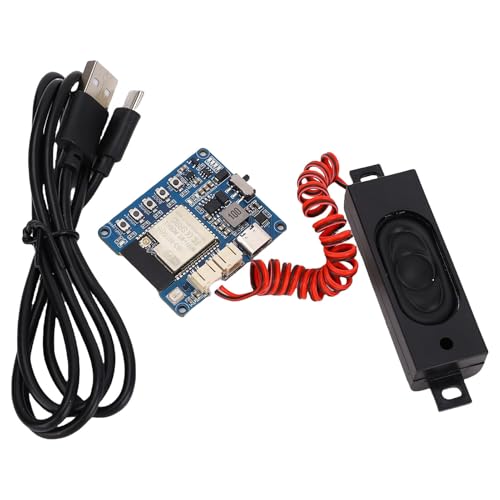
AI Voice Chat Module Type C Interface AI Large Model Support with Technology
Specifications: This AI voice chat module offers a Type C interface, built in for TP5400 battery management, integrated…
As an affiliate, we earn on qualifying purchases.
As an affiliate, we earn on qualifying purchases.
Unclear Impact on AI Model Competition and Regulation
It is still unclear how this shift will affect the overall AI market, including model pricing, innovation, and regulatory responses. While the importance of interfaces is clear, the specific implications for model developers and open-weight communities remain to be seen. Additionally, legal and competitive challenges—such as platform restrictions or antitrust actions—may influence how control over interfaces evolves.

Design for Developers
As an affiliate, we earn on qualifying purchases.
As an affiliate, we earn on qualifying purchases.
Future Moves in Interface Ownership and Industry Competition
Expect further investments by major tech and AI firms into interface layers, including browsers, OS integrations, and developer tools. Regulatory scrutiny may increase around control of these chokepoints, especially if dominant players seek to monopolize user access. Additionally, smaller firms may innovate new interfaces to challenge incumbents, potentially reshaping the distribution landscape further.

AI Workflow Systems: AI Prompts for Freelance Consultants: Practical AI workflow prompts to automate client work, boost productivity, and scale consulting … Frameworks for the Modern World Book 1)
As an affiliate, we earn on qualifying purchases.
As an affiliate, we earn on qualifying purchases.
Key Questions
Why is owning the interface more valuable than owning the AI model?
Because the interface controls user habits, demand routing, data collection, and the default model selection, making it a strategic chokepoint that determines distribution and revenue streams.
How did SpaceX’s purchase of the coding interface demonstrate this shift?
They acquired a platform that captures user demand, routing, and data, emphasizing that controlling the surface through which users access AI is more valuable than the models themselves.
Will this trend affect smaller AI companies or open-source models?
Potentially, as dominant interfaces could limit access or influence which models are used, possibly disadvantaging smaller or open-source projects unless they establish their own interfaces.
What legal or regulatory issues could arise from this control shift?
Regulators might scrutinize dominant interface owners for monopolistic practices or unfair restrictions, especially if they limit competition or access to AI models.
Source: ThorstenMeyerAI.com