
AIThis post was created with the assistance of artificial intelligence (AI).
🔍 Read the full analysis: 12 AI-Powered Devices Leading The Home Automation Evolution In 2026 on ThorstenMeyerAI.com

Before you orderOffer from Amazon
Get hardware and tech essentials delivered free with Prime
- Fast, free delivery on millions of items
- Prime Video, Amazon Music and more included
- Member-only deals all year
Start your free Prime trial Free trial for eligible customers · Cancel anytime
As an affiliate, we earn on qualifying purchases.
TL;DR
In 2026, twelve AI-powered home automation devices are transforming living spaces, emphasizing local processing, privacy, and customization. This update highlights the most significant products and trends shaping smart homes today.
At a glance
reportWhen: current year, 2026
The developmentThe article details the 12 leading AI-powered home automation devices of 2026, showcasing innovations in local AI processing, privacy, and user control.
Crypto market snapshot
Fear & Greed Index
66/100 — Greed
Bitcoin BTC$79,095▲ 1.0%
Ethereum ETH$2,507▲ 1.1%
Tether USDT$0.9998▲ 0.0%
BNB BNB$744.66▼ 0.7%
XRP XRP$1.43▲ 1.5%
USDC USDC$0.9999▲ 0.0%
Solana SOL$103.85▲ 0.9%
TRON TRX$0.3386▼ 0.2%
Live data · CoinGecko · alternative.me (24h change)
The 12 picks
- 1
 SwitchBot AI Hub Bundle with PTC Plus 5MP Camera, AI Smart Hub with OpenClaw…View on Amazon →
- 2
 SwitchBot AI Hub with OpenClaw Support and Local Camera StorageView on Amazon →
- 3
 Hubitat Elevation C-8 Pro Smart Home Hub, Local Control and AutomationsView on Amazon →
- 4
 iSG Box SE ZB Smart Home Hub with Preinstalled Home AssistantView on Amazon →
- 5
 AI-Powered Smart Home DevicesView on Amazon →
- 6
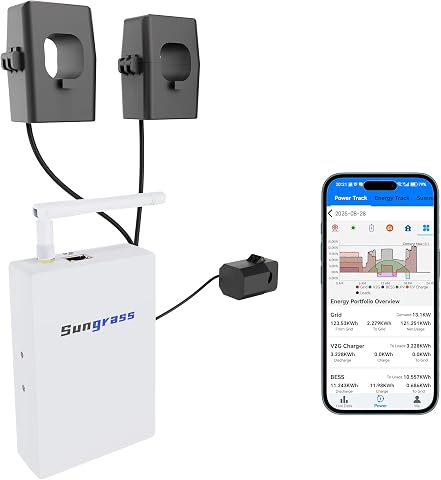 Home Energy Monitor Lite – Real-Time Electricity Usage & Power Consumption Me…View on Amazon →
- 7
 iSG Box SE Smart Home Hub with Preinstalled Home AssistantView on Amazon →
- 8
 AI-Powered Smart Home Guide 2026: A Step-by-Step Guide to Designing, Optimizi…View on Amazon →
- 9
 Build Your Dream Smart Home with Raspberry Pi: The Complete DIY Guide to Crea…View on Amazon →
- 10
 Speech Recognition Module for DIY Home Automation and RoboticsView on Amazon →
- 11
 AI Powered Smart Home Guide for Beginners 2026View on Amazon →
- 12
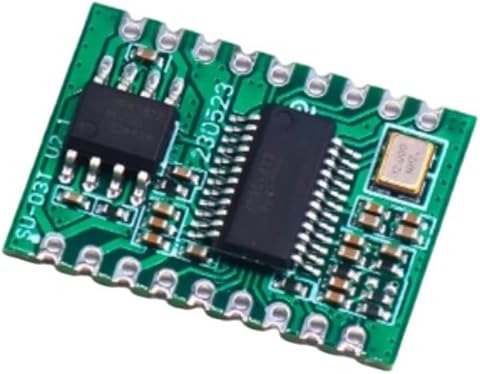 Local AI Voices Command Processor for Home Automation SystemsView on Amazon →
Why Local Control and Privacy Dominate 2026’s Smart Home Market
The shift toward local AI processing and privacy-focused devices in 2026 reflects consumer priorities for data security and system reliability. Devices like the Hubitat Elevation C-8 Pro demonstrate that local control can reduce latency and prevent data leaks, making them attractive for privacy-conscious users. This trend influences the entire market, encouraging manufacturers to develop solutions that balance AI capabilities with data security. As smart home ecosystems become more complex, seamless integration and privacy are increasingly vital, affecting user trust and adoption rates. The rise of DIY solutions also signals a broader desire for customization and control, challenging traditional proprietary systems. Overall, these developments impact how consumers choose and implement home automation, emphasizing security, reliability, and personalized control.Products Worth Considering

LG UltraGear 27-Inch QHD OLED Gaming Monitor, 240Hz, 0.03ms, G-SYNC Compatible, FreeSync Premium Pro, HDMI 2.1

LG UltraGear 45GX900A-B 45-Inch Curved OLED Gaming Monitor

LG 24G414B-B 24-Inch UltraGear Full HD IPS Gaming Monitor
As an affiliate, we earn on qualifying purchases.
Evolution of AI Home Automation in 2026
The home automation market has seen rapid growth since the early 2020s, driven by advances in AI and IoT technologies. In 2026, a key trend is the shift toward local AI processing, reducing reliance on cloud services, driven by privacy concerns and the need for reliable, low-latency control. The Hubitat Elevation C-8 Pro, introduced in late 2025, exemplifies this shift with its focus on local control. Simultaneously, voice command devices like the Local AI Voices Command Processor offer cloud-free AI interactions, appealing to privacy-conscious consumers. DIY solutions, especially those based on Raspberry Pi, have gained popularity among tech-savvy users seeking extensive customization. Additionally, energy monitoring devices with AI analysis have become more common, providing users with detailed insights into their consumption patterns. Bundled solutions integrating cameras and AI hubs, such as the SwitchBot ecosystem, offer comprehensive security and automation but tend to be more expensive. These developments reflect a broader move toward secure, adaptable, and user-centric home automation in 2026.Unresolved Questions About Market Adoption and Compatibility
It is still unclear how widely consumers will adopt local AI devices over cloud-dependent options, especially considering ease of use and initial costs. Compatibility across different ecosystems remains a challenge, as manufacturers prioritize proprietary standards, which could limit interoperability and scalability in the future. Additionally, the long-term reliability and security of DIY solutions like Raspberry Pi setups are still being evaluated, and their adoption may depend on ongoing software updates and community support.Upcoming Developments and Market Trends in 2026
Manufacturers are likely to focus on enhancing local AI capabilities, making advanced privacy features more accessible. Integration across platforms will improve, driven by industry standards and interoperability efforts. Consumer interest in AI energy management and security will lead to new products with more comprehensive automation and monitoring features. The market may also see increased adoption of DIY solutions as community support and ease of setup improve, alongside traditional commercial products expanding their customization options. Expect further innovations aimed at balancing AI power, privacy, and user control, shaping the future of home automation in 2026 and beyond.Key Questions
Do I need technical skills to set up these AI-powered devices?
Setup complexity varies. Basic smart hubs and voice assistants typically require minimal technical knowledge, while DIY solutions like Raspberry Pi demand familiarity with networking, programming, and hardware assembly.Are local AI devices more secure than cloud-based ones?
Generally, yes. Local AI processing reduces data exposure by keeping sensitive information on-site, but security also depends on device configuration and network security practices.Can these devices work together in a unified system?
Compatibility varies. Proprietary ecosystems may limit integration, but many devices now support common standards like Zigbee and Z-Wave, facilitating interoperability. Future updates aim to improve cross-platform compatibility.What are the main advantages of DIY solutions over commercial products?
DIY options offer extensive customization and control over features, but they require technical skills and ongoing maintenance. Commercial products tend to be easier to set up and support broader ecosystems.Will AI energy monitoring significantly reduce my utility bills?
AI-powered energy monitors can provide detailed insights and optimization suggestions, potentially leading to savings. However, actual impact depends on user engagement and automation implementation.Source: ThorstenMeyerAI.com
Nothing in this article is financial or investment advice. Cryptocurrency and precious-metal investments carry significant risk — do your own research and consider a licensed advisor.