
TL;DR
Listen free for 30 days with Audible
Thousands of audiobooks and originals — cancel anytime.
Start your free trialAs an affiliate, we earn on qualifying purchases.
In 2026, 13 key AI innovations are predicted to revolutionize industries, from healthcare to transportation. Experts highlight breakthroughs in generative AI, autonomous systems, and ethical frameworks, signaling a transformative year ahead.
Experts and industry analysts predict that 13 major AI innovations will significantly impact multiple sectors in 2026, marking a pivotal year for artificial intelligence development. These breakthroughs are expected to influence healthcare, transportation, finance, and more, underscoring AI’s growing role in everyday life.
According to recent forecasts from AI research firms and industry leaders, 13 key innovations are poised to shape 2026. These include advances in generative AI models, autonomous systems, ethical AI frameworks, and edge computing. Many of these developments build on current trends, such as the rapid evolution of large language models and increased adoption of AI in autonomous vehicles.
Several companies and research institutions have already announced prototypes or pilot projects aligned with these innovations. For example, advancements in AI-powered medical diagnostics and autonomous delivery drones are nearing commercial readiness. Industry insiders suggest that these innovations could lead to increased efficiency, safety, and new business models across sectors.
The 13 picks
- 1
 Jackery HomePower 3600 Plus Portable Power Station, 3600W AC Output, 3584Wh L…View on Amazon →
 - 2
 EF ECOFLOW DELTA 3 Max Portable Power Station, 2048Wh LFP Battery, 2400W / 34…View on Amazon →
 - 3
 Jackery Explorer 2000 v2 Portable Power Station, 2042Wh, 2200W AC Output, LiF…View on Amazon →
 - 4
 Jackery Solar Generator 1000 V2 with 200W Solar Panel, 1070Wh, 1500W AC, Fast…View on Amazon →
 - 5
 Anker SOLIX C1000 Gen 2 Portable Power Station, 1024Wh, 2000W, Camping, Emerg…View on Amazon →
 - 6
 Jackery Explorer 1000 v2 Portable Power Station, 1070Wh, 1500WView on Amazon →
 - 7
 Jackery Explorer 300 Portable Power Station, 292Wh, LiFePO4 Battery, Solar Ge…View on Amazon →
 - 8
 EF ECOFLOW Portable Power Station Delta 3 Classic, 1024Wh, 1800W AC, LiFePO4…View on Amazon →
 - 9
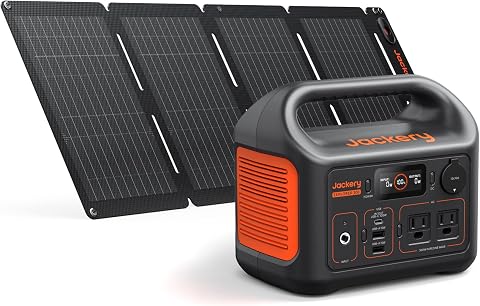 Jackery Solar Generator 300 with 40W Solar Panel, 292Wh, 300W AC OutputView on Amazon →
 - 10
 BLUETTI Elite 30 V2 Portable Power Station 288Wh 600W LFP Solar GeneratorView on Amazon →
 - 11
 Portable Power Station 300W, 192Wh LiFePO4 Battery Solar Generator with Carry…View on Amazon →
 - 12
 EnginStar Portable Power Station 300W 296Wh Battery Bank with 110V Pure Sine…View on Amazon →
 - 13
 HOWEASY Portable Power Station, 88Wh Solar Generator with 120W Peak OutputView on Amazon →
Why 2026 Will Be a Turning Point for AI
This year is expected to mark a significant leap in AI capabilities, with widespread adoption of new technologies that could transform industries and daily life. The innovations forecasted for 2026 are likely to improve productivity, enhance safety, and enable new services, making AI an integral part of economic and social systems. However, these advances also raise questions about regulation, ethics, and workforce impacts, which policymakers and industry leaders will need to address.
Current Trends Leading to 2026 AI Breakthroughs
Over the past few years, AI has seen rapid growth driven by improvements in machine learning algorithms, increased computational power, and expanding datasets. Large language models like GPT-4 have demonstrated capabilities that hint at even more advanced systems on the horizon. Industry investments in AI startups and research initiatives have surged, indicating a strong momentum toward these upcoming innovations.
Experts note that ongoing developments in edge computing and ethical AI frameworks are laying the groundwork for more responsible and accessible AI deployment. The convergence of these trends suggests that 2026 could be a landmark year for practical, widespread AI applications.
Unconfirmed Aspects of the 2026 AI Predictions
While forecasts are optimistic, specific details about the timing, scale, and adoption rate of these 13 innovations remain uncertain. Many projects are still in pilot phases, and regulatory or technical hurdles could delay or alter their trajectory. It is also unclear how quickly these innovations will reach mainstream markets or how they will be received by society and policymakers.
Next Steps for AI Development and Adoption in 2024-2025
Industry players and researchers will likely focus on refining these innovations through pilot programs and early deployments over the next two years. Regulatory frameworks and ethical guidelines are expected to evolve in tandem to address concerns about safety, privacy, and fairness. Stakeholders will monitor these developments closely, as successful integration could accelerate the timeline for widespread adoption by 2026.
Key Questions
What are the most anticipated AI innovations for 2026?
Experts predict breakthroughs in generative AI, autonomous systems, ethical AI frameworks, and edge computing, among others.
How soon could these innovations impact everyday life?
While some pilot projects are already underway, widespread impact is expected to occur gradually over the next few years, with significant changes by 2026.
What challenges could delay these AI innovations?
Technical hurdles, regulatory approval processes, ethical concerns, and societal acceptance are key factors that could influence the timeline.
Will these innovations create job disruptions?
Potentially, as AI automates certain tasks, but they may also create new roles and opportunities in AI development, deployment, and oversight.
Source: ThorstenMeyerAI.com
Fall Picks
fall essentials
As an affiliate, we earn on qualifying purchases.