

🔍 Read the full analysis: 15 AI-Driven Chairs That Set The Standard For Office Ergonomics In 2026 on ThorstenMeyerAI.com

Get hardware and tech essentials delivered free with Prime
- Fast, free delivery on millions of items
- Prime Video, Amazon Music and more included
- Member-only deals all year
TL;DR
In 2026, fifteen AI-driven office chairs have set new standards for ergonomics, offering personalized support and smart adjustments. These innovations aim to improve comfort, reduce strain, and enhance productivity for remote and office workers alike.
In 2026, fifteen new AI-driven office chairs have been introduced, revolutionizing workplace ergonomics by offering personalized adjustments and real-time support. These chairs, developed by leading ergonomic and tech companies, aim to improve comfort, reduce long-term health risks, and boost productivity for users working long hours at desks. The development reflects a significant shift toward integrating artificial intelligence into everyday office furniture, making ergonomic support more adaptive and accessible.
The fifteen chairs incorporate advanced AI systems that continuously monitor posture, pressure points, and movement patterns. They adjust lumbar support, seat height, armrest positioning, and even tilt angles automatically to fit each user’s unique body shape and activity level. Major brands like Misolant, SIHOO, and FLEXISPOT have launched models equipped with sensors and machine learning algorithms that learn user preferences over time. For more on top ergonomic options, see the 15 best ergonomic office chairs in 2026.
These chairs also feature voice-controlled adjustments and connectivity with workplace management systems, enabling remote customization and data collection for ergonomic health tracking. Market research indicates that these AI-enabled chairs are rapidly gaining popularity, especially among remote workers, large corporations, and ergonomic specialists seeking to reduce workplace musculoskeletal issues. Learn more about ergonomic office furniture trends in the original analysis. The chairs are designed to accommodate diverse body types, with some models supporting weight capacities exceeding 300 pounds, and include durable materials such as breathable mesh and high-grade leather alternatives.
The 15 picks
- 1
 LiberNovo Omni SE Dynamic Ergonomic Office Chair, Manual Lumbar, 48cmView on Amazon →
 - 2
 FLEXISPOT ErgoX-Pro Premium Ergonomic Office Chair ObsidianView on Amazon →
 - 3
 ELABEST X100 Ergonomic Mesh Office Chair with Footrest, Big and Tall Home Des…View on Amazon →
 - 4
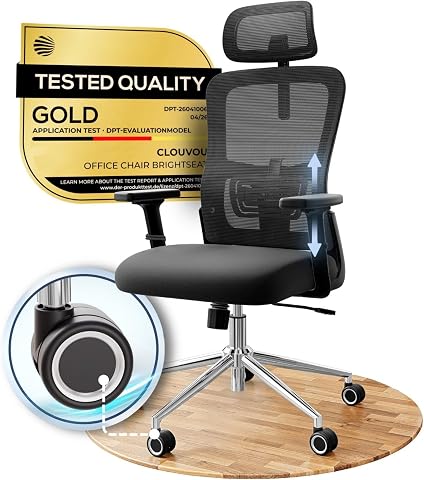 Ergonomic Office Chair with Adjustable Features and Mesh BackView on Amazon →
 - 5
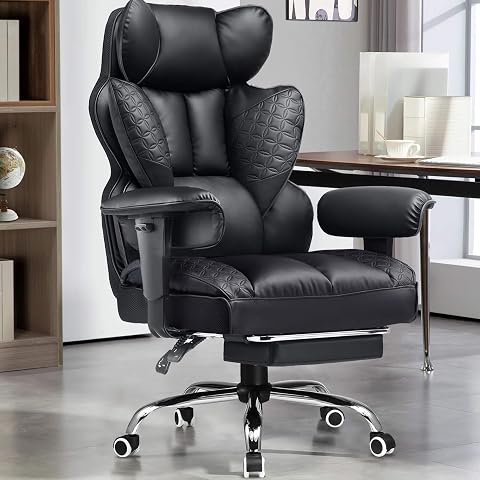 GTPLAYER Big and Tall Gaming Chair 400lbs Heavy Duty Office Chair with Footre…View on Amazon →
 - 6
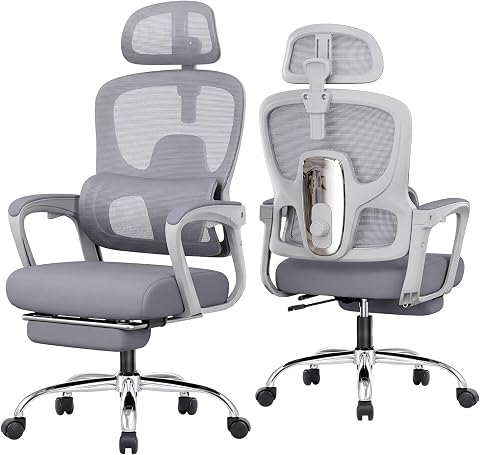 Ergonomic Office Chair with Footrest, 90-145° Reclining Mesh Desk ChairView on Amazon →
 - 7
 Vonesse Office Chair with Adjustable Armrests and Lumbar SupportView on Amazon →
 - 8
 SIHOO M18 Ergonomic Office Chair with Mesh Back and HeadrestView on Amazon →
 - 9
 Ergonomic Mesh Office Chair with 400 lb CapacityView on Amazon →
 - 10
 Office Desk Chair for Long Hours & Lower Back Pain Relief – 4” Thick Molded F…View on Amazon →
 - 11
 Misolant Big and Tall Office Chair with Footrest, High Back Executive Desk Ch…View on Amazon →
 - 12
 TRALT Office Chair Ergonomic Desk Chair – Gaming Chair with Lumbar SupportView on Amazon →
 - 13
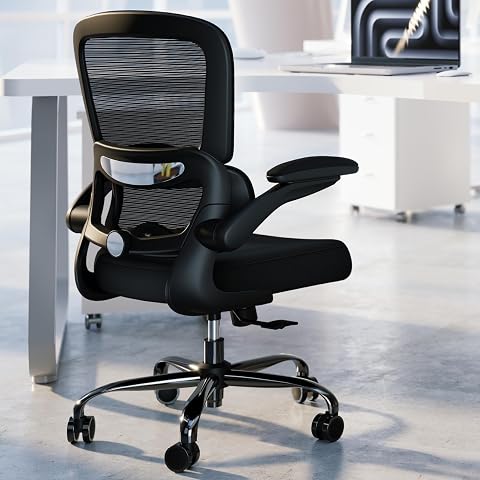 TRALT Office Chair – Ergonomic Mesh Desk Chair with Adjustable Lumbar Support…View on Amazon →
 - 14
 DUMOS Executive Home Office Chair, Ergonomic Mesh Computer Desk Chair with Ad…View on Amazon →
 - 15
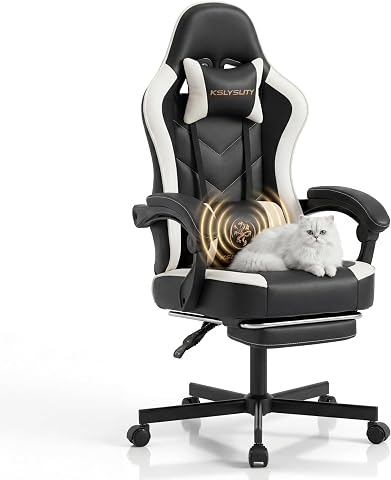 Desk Computer Gaming Chair with Footrest and Lumbar SupportView on Amazon →
Impact of AI-Driven Ergonomic Office Chairs in 2026
The adoption of these AI-powered chairs marks a major advancement in workplace ergonomics, promising to reduce discomfort, back pain, and fatigue associated with prolonged sitting. By providing real-time, personalized support, they can help prevent long-term musculoskeletal disorders, which are a leading cause of workplace disability. For employers, this innovation offers potential reductions in health-related costs and improved employee well-being, translating into increased productivity and job satisfaction.
Furthermore, the integration of AI into office furniture signifies a broader trend toward smart workplaces, where data-driven insights and automation enhance daily operations. As these chairs become more widespread, they may influence workplace design standards and health policies, emphasizing personalized ergonomic support as a fundamental feature.
Evolution of Ergonomic Office Chairs and AI Integration
Office ergonomics has evolved significantly over the past decades, with initial focus on adjustable features like seat height and lumbar support. By the early 2020s, the market saw a rise in high-end chairs with advanced materials and customization options. The incorporation of AI into office furniture began around 2024, driven by advancements in sensor technology and machine learning algorithms.
Leading companies started experimenting with AI-enabled chairs capable of adapting to user behavior, aiming to reduce discomfort and health issues linked to poor posture. The launch of the first commercially available AI-driven ergonomic chairs in late 2025 set the stage for a broader adoption in 2026, with fifteen models now setting new industry standards.
This trend aligns with the increasing emphasis on workplace health, remote work, and the integration of smart devices into daily routines, reflecting a shift toward more personalized, health-conscious office environments.
Unanswered Questions About Long-Term Effectiveness
While these chairs show promising features, it is not yet clear how effective they are over long-term use and whether they significantly reduce health issues compared to traditional ergonomic chairs. Data on durability, user satisfaction over years, and potential privacy concerns related to data collection remain limited. Further studies and user feedback are needed to confirm their sustained benefits and safety.
Future Developments and Market Expansion in 2026 and Beyond
Manufacturers plan to refine AI algorithms for even more precise adjustments and integrate additional health monitoring features, such as posture correction alerts and stress detection. Market adoption is expected to grow as more organizations recognize the benefits of smart ergonomic solutions. Regulatory bodies may also develop standards for AI-enabled office furniture, ensuring safety and data privacy. Consumer feedback and long-term research will shape future models, potentially making AI-driven ergonomic chairs a standard in workplaces worldwide.
Key Questions
How do AI-driven ergonomic chairs improve comfort over traditional chairs?
They continuously monitor posture and pressure points, adjusting support in real time to fit individual needs, reducing discomfort and strain during long hours of sitting.
Are these AI-enabled chairs safe to use long-term?
While initial results are promising, long-term safety and durability data are still limited. Ongoing research and user feedback will clarify their effectiveness over years of use.
Can these chairs be used in both home and office environments?
Yes, most models are designed for versatile settings, offering connectivity and customization options suitable for remote workspaces and corporate offices alike.
What privacy concerns are associated with AI-enabled office chairs?
These chairs collect data on user posture and movements, raising questions about data security and privacy. Manufacturers are working to implement safeguards and transparent policies.
Source: ThorstenMeyerAI.com
Halloween Picks
halloween
As an affiliate, we earn on qualifying purchases.