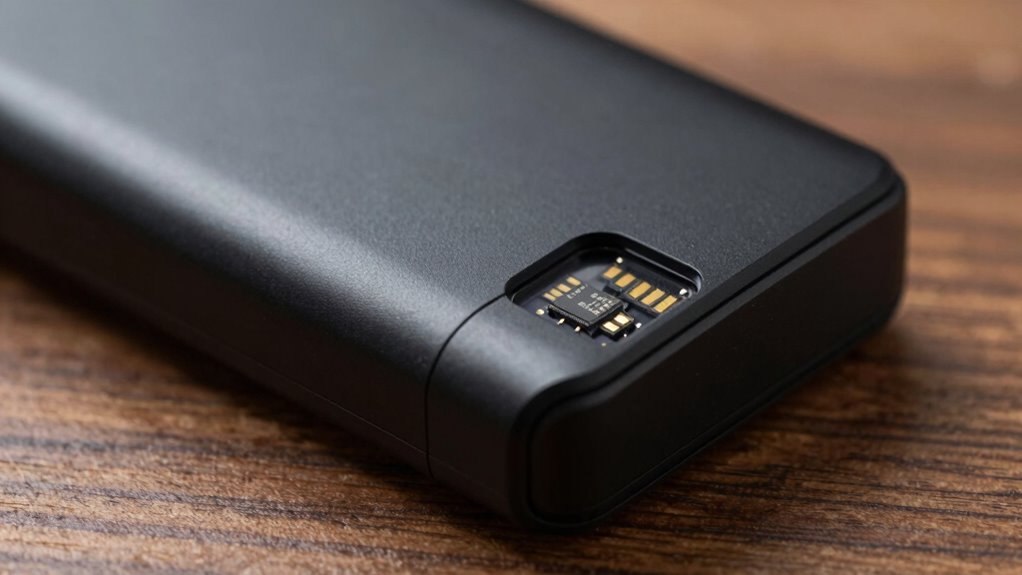

Secure element chips are essential in cold wallet devices because they act as a fortress for your private keys, preventing theft or hacking attempts. They isolate sensitive data, making physical extraction extremely difficult and defending against hardware attacks. With layered authentication and tamper detection features, they guarantee only you can access your funds. If you want to know more about how these chips provide top-tier security for your cryptocurrency, keep going.
Key Takeaways
- They provide a dedicated, tamper-resistant environment to securely store private keys, preventing theft and unauthorized access.
- Secure Element Chips isolate cryptographic operations, reducing exposure to side-channel and physical attacks.
- They incorporate advanced hardware security features such as tamper detection and encrypted memory to safeguard assets.
- These chips enhance overall device security, ensuring private keys never leave the secure environment unencrypted.
- Their robust protection makes cold wallets highly resistant to both digital and physical attack vectors.
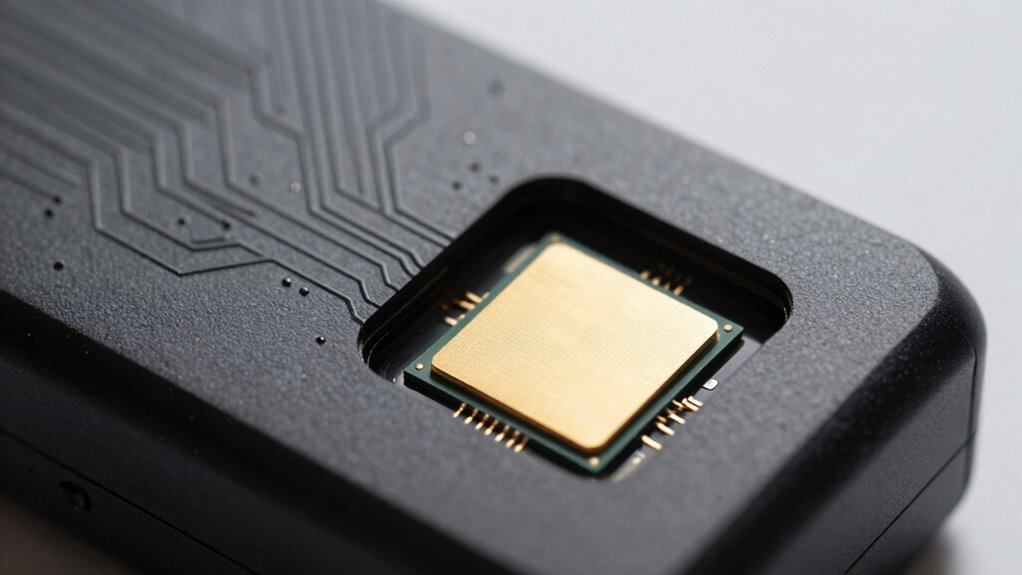
Have you ever wondered how cold wallet devices keep your cryptocurrencies protected? The answer lies in their use of secure element chips, which act as a fortress for your private keys. These chips are designed specifically to safeguard sensitive data from malicious attacks, hardware vulnerabilities, and unauthorized access. Unlike general-purpose processors, secure element chips are built with security as their top priority, guaranteeing that even if someone gains physical access to the device, extracting your private keys remains extremely difficult. This is essential because, without robust protection, hardware vulnerabilities could be exploited, potentially allowing hackers to bypass security measures and steal your digital assets. By isolating cryptographic operations within a secure environment, these chips prevent attackers from accessing critical information through side-channel attacks or hardware tampering.
Secure element chips protect private keys from physical and digital attacks, ensuring cryptocurrency safety through specialized, tamper-resistant security.
User authentication plays a key role in safeguarding your cryptocurrencies, and secure element chips enhance this process markedly. These chips often incorporate multiple layers of authentication, such as biometric verification or PIN codes, before performing any sensitive operation. This layered approach guarantees that only you can authorize transactions, adding an extra layer of defense against unauthorized access. When you set up your cold wallet, the secure element chip verifies your identity during initialization and whenever you access your funds. This prevents malicious actors from gaining control even if they physically steal the device or try to tamper with it. Because the secure element handles user authentication within a tamper-resistant environment, it diminishes the risk of credential theft or bypass. Additionally, the inclusion of secure hardware components helps to further isolate and protect sensitive data from potential breaches. Incorporating hardware-based security features is crucial for maintaining the integrity of your private keys in high-risk scenarios.
Furthermore, secure element chips are designed to resist physical attacks that attempt to extract data through invasive methods. They employ techniques like active shielding, encrypted memory, and tamper detection sensors that trigger erasure if tampering is detected. This resilience against hardware vulnerabilities is critical because it guarantees your private keys never leave the secure environment unencrypted, making it nearly impossible for attackers to compromise your assets. Additionally, the chips’ resistance to hardware vulnerabilities means that even sophisticated attacks, such as fault injection or side-channel analysis, are unlikely to succeed. Hardware vulnerabilities are a primary concern, and secure element chips are engineered to mitigate these risks effectively. This robust tamper resistance helps ensure that your private keys remain protected even against advanced physical attacks.
The design of secure element chips also often includes encryption techniques that further secure data storage and transmission within the device. In essence, secure element chips are the backbone of security in cold wallet devices. They mitigate hardware vulnerabilities, enforce strong user authentication, and provide a secure environment for managing your private keys. Without these specialized chips, safeguarding your cryptocurrencies would be far more vulnerable to attacks, both digital and physical. Their integration into cold wallet devices offers you peace of mind, knowing that your assets are protected by one of the most advanced security measures available today.

Steel Crypto See-d Phrase Storage, 2Pcs Crypto Wallets with Engraving Pen & Locking Screws, Cryptocurrency Wallets Cold Storage for Bitcoin Compatible with BIP39 Hardware(COLOR:Black)
【Complete 2-Pack Kit】Includes 2 crypto wallets, 1 steel engraving pen, and 2 sets of locking screws for permanent,…
As an affiliate, we earn on qualifying purchases.
As an affiliate, we earn on qualifying purchases.
Frequently Asked Questions
Can Secure Element Chips Be Hacked Remotely?
Secure element chips can be vulnerable to remote hacking, especially if they have unpatched chip vulnerabilities. While they are designed with strong security features, sophisticated attackers might exploit weaknesses remotely. To protect your cold wallet, make sure the device’s firmware is always up to date, and buy from reputable sources. Recognizing potential chip vulnerabilities helps you stay vigilant against threats and reduces the risk of remote hacking.
Are Secure Element Chips Used in All Cold Wallets?
Not all cold wallets use secure element chips; it depends on hardware compatibility and design choices. Some wallets prioritize user authentication and enhanced security, incorporating secure elements, while others rely on offline storage without them. If you want maximum protection, look for devices with secure element chips, as they add an extra layer of security against hacking. Always verify the wallet’s specifications to confirm it meets your security needs.
How Long Do Secure Element Chips Typically Last?
You’ll be pleased to know that secure element chips generally last quite a while—think of them as the marathon runners of tech. Their chip durability and lifespan estimation often stretch well beyond a decade with proper use. So, you can confidently store your crypto without sweating over sudden failures. Of course, like all tech, they’re not invincible, but they’re designed to endure the test of time, giving you peace of mind.
Do Secure Element Chips Increase the Device’s Overall Cost?
Yes, secure element chips can increase your device’s overall cost. They require advanced manufacturing to guarantee cryptographic integrity, which adds to production expenses. While this might raise the initial price, you gain enhanced security features that protect your assets from theft and hacking. Investing in a device with a secure element chip ensures your cryptographic data remains safe, making it a worthwhile cost for long-term security.
Can I Upgrade the Secure Element Chip in My Cold Wallet?
Think of your cold wallet like a fortress—its secure element chip is the gatekeeper. You can’t upgrade this chip like you would software; it’s embedded for physical security. Firmware updates improve security features, but the hardware itself stays fixed. If you want a newer secure element, you’d need to replace the entire device, as upgrading the chip isn’t an option. Protect your assets by choosing a device with the latest secure element technology.

Keystone – Cryptocurrency Hardware Wallet Air-gapped, 4-inch Touch Screen, Store Your Crypto Securely (Keystone 3 Pro)
Visit guide.keyst.one for speedy set up. If you are facing charging/battery issue, please update your Keystone to V-1.5.6…
As an affiliate, we earn on qualifying purchases.
As an affiliate, we earn on qualifying purchases.
Conclusion
Think of secure element chips as the fortress walls guarding your digital treasure. Just like a lighthouse guides ships safely through storms, these chips illuminate your path to security in the crypto world. They stand as silent sentinels, shielding your assets from unseen threats. By choosing devices with these chips, you’re building a sturdy castle, not just a house. Remember, in the vast ocean of digital assets, a secure element is your unwavering lighthouse.

TANGEM Crypto Wallet Pack of 2 – Trusted Cold Storage Hardware Wallet for Bitcoin, Ethereum, NFTs & Altcoins – 100% Offline Crypto Cold Wallet
Proven security at scale: Over 9 years and millions of cards issued with no known remote hacks, while…
As an affiliate, we earn on qualifying purchases.
As an affiliate, we earn on qualifying purchases.
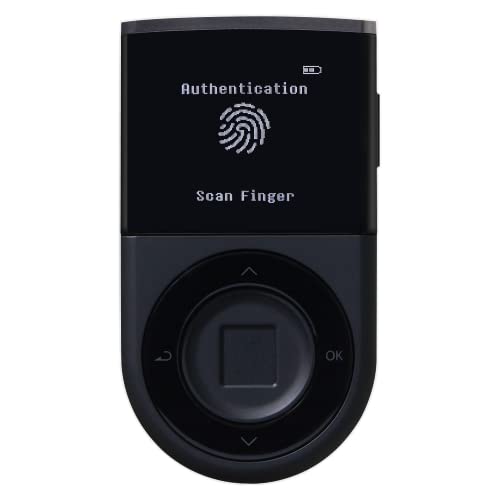
D'CENT Hardware Wallet | Biometric Cold Storage, Bluetooth, Multi-Crypto
EAL5+ CERTIFIED SECURE ELEMENT + FINGERPRINT PROTECTION — Your private keys stay encrypted offline on a certified EAL5+…
As an affiliate, we earn on qualifying purchases.
As an affiliate, we earn on qualifying purchases.