📊 Full opportunity report: Superior Shooting With 6 AI-Enhanced Camera Lenses In 2026 on ThorstenMeyerAI.com — validation score, market gap, and execution plan.
TL;DR
In 2026, six new camera lenses equipped with AI-enhancement technology were announced, promising superior image quality and versatility. This development could reshape photography standards and workflows.
Six new camera lenses featuring integrated AI-enhancement technology were announced in March 2026, promising significant improvements in image quality, autofocus, and user experience. For a detailed overview, see the original analysis of the best camera lenses for 2026. This development is set to impact professional photographers, content creators, and consumers seeking higher-quality images with less effort.
The six lenses, developed by leading manufacturers including Sony, Canon, and Nikon, incorporate AI algorithms that optimize focus, exposure, and image stabilization in real-time. These lenses are compatible with current camera mounts and are designed to work seamlessly with AI-powered camera bodies, enhancing overall performance.
According to official statements from the manufacturers, the AI features enable automatic scene recognition, improved subject tracking, and adaptive exposure adjustments, resulting in sharper images and more accurate color reproduction. The lenses include a mix of zoom and prime options, covering focal lengths from 24mm to 400mm, suitable for diverse shooting scenarios. These advancements are part of the broader trend of AI-enhanced photography hardware.
While the technology is confirmed to be integrated, specific details about the AI algorithms and their operational limits remain undisclosed. Industry experts note that these lenses are part of a broader trend toward AI integration in imaging hardware, aiming to reduce post-processing needs and improve user confidence in challenging conditions. This trend is analyzed in detail in the original coverage.
Impact of AI-Enhanced Lenses on Photography
The introduction of these AI-enhanced lenses marks a potential shift in photography, enabling users to achieve professional-quality images more easily. For professionals, this means faster workflows and higher consistency; for amateurs, it lowers barriers to capturing high-quality photos. This technology could influence future camera and lens design, pushing competitors to adopt similar AI features, and may accelerate the adoption of AI across the imaging industry. However, the full extent of performance improvements and compatibility with existing camera systems is still being evaluated, making ongoing testing crucial for users considering upgrades.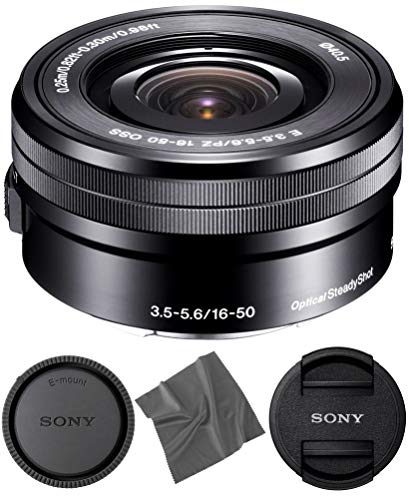
Sony SELP1650 16-50mm OSS Lens: Sony E PZ 16-50mm f/3.5-5.6 OSS Lens (Black) + Pro Starter Bundle Kit Combo – International Version (1 Year Warranty)
E-Mount Lens/APS-C Format – 24-75mm (35mm Equivalent) (White Box, Kit Lens)
As an affiliate, we earn on qualifying purchases.
As an affiliate, we earn on qualifying purchases.
Evolution of AI in Camera Lenses and Industry Trends
Over the past few years, camera manufacturers have increasingly incorporated AI into their products, primarily in camera bodies for autofocus and scene recognition. The 2026 launch of AI-enhanced lenses extends this trend directly into the optical hardware, aiming to unify AI capabilities across the entire imaging chain. Prior developments include AI-driven autofocus systems in flagship cameras and computational photography features in smartphones. The new lenses build on this foundation, promising to deliver smarter, more adaptive optical tools for a broad range of users. Industry insiders note that this move aligns with a broader push toward automation and intelligent imaging solutions, driven by advances in machine learning and sensor technology.
Canon EF 50mm f/1.8 STM Lens, Black, Compatible with Canon EOS DSLR Cameras
50 millimeter focal length and maximum aperture of f/1.8
As an affiliate, we earn on qualifying purchases.
As an affiliate, we earn on qualifying purchases.
Unconfirmed Details About AI Capabilities and Compatibility
While the lenses are confirmed to include AI features, the specific algorithms, their operational limits, and how they perform across different camera models remain undisclosed. It is also unclear how these lenses will interact with older camera systems or third-party accessories. Long-term reliability and software update policies are still to be announced, and independent testing is awaited to verify performance claims.

Nikon 24-70mm f/2.8G ED Auto Focus-S Nikkor Wide Angle Zoom Lens (Renewed)
Includes all original accessories plus a 90-day warranty
As an affiliate, we earn on qualifying purchases.
As an affiliate, we earn on qualifying purchases.
Next Steps for Adoption and Performance Testing
Manufacturers are expected to begin shipping these lenses in the coming months, with early reviews focusing on real-world performance and compatibility. Industry observers anticipate that user feedback and independent testing will clarify the actual benefits and potential limitations. Additionally, camera makers may release firmware updates to optimize AI integration, and further models could adopt similar technology in future releases.
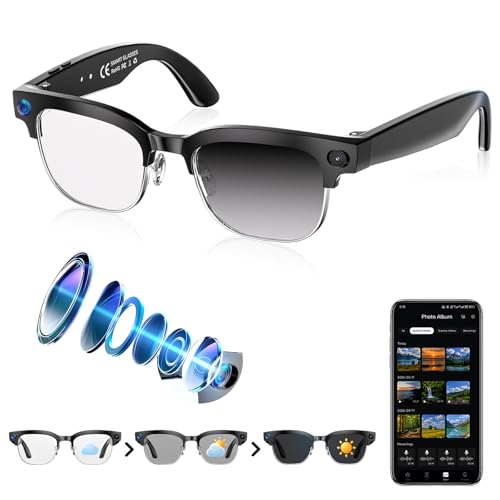
SGUKZF AI Smart Glasses with Camera, 4K EIS Anti-Shake Video & Photo Capture, Real-Time Translation,Open-Ear Bluetooth Audio, Object Recognition, Recording Sunglasses with Photochromic
【4K EIS Anti-Shake Video Recording & Photo Capture】Smart glasses with camera let you capture your world from a…
As an affiliate, we earn on qualifying purchases.
As an affiliate, we earn on qualifying purchases.
Key Questions
What types of cameras will these AI-enhanced lenses work with?
Most lenses are designed for specific mounts, such as Sony E-mount, Canon RF, and Nikon Z. Compatibility depends on matching the lens mount with the camera body, and some lenses may require adapters for use with different systems.
How much will these lenses cost?
Pricing details are still being announced, but industry experts expect high-end models with advanced AI features to be priced in the premium range, similar to current professional lenses.
Will AI features be upgradeable or software-based?
Manufacturers have indicated that AI capabilities will be embedded in the hardware, with possible firmware updates to improve functionality. However, specific upgrade paths are yet to be detailed.
Do these lenses require special camera bodies to use AI features?
Some AI-enhanced lenses are optimized for specific camera brands and may require compatible AI-capable bodies to unlock full functionality. Compatibility information is expected to be clarified upon release.
Source: ThorstenMeyerAI.com