
TL;DR
Listen free for 30 days with Audible
Thousands of audiobooks and originals — cancel anytime.
Start your free trialAs an affiliate, we earn on qualifying purchases.
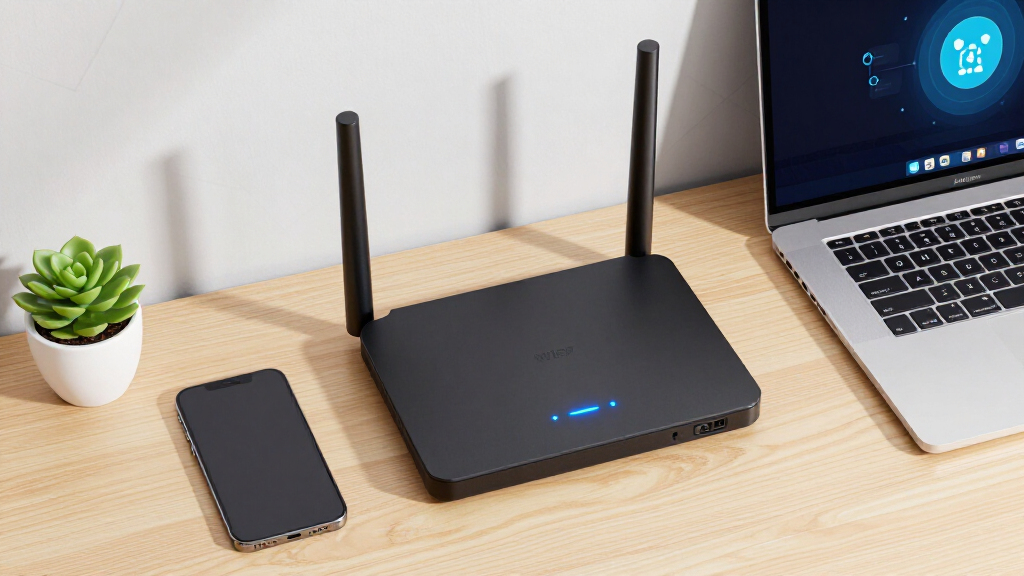
AI-driven Wi-Fi 7 routers are now available, promising improved home connectivity through smarter management and faster speeds. This development is confirmed by leading manufacturers and industry experts. Details on the specific models and capabilities are still emerging, but for a comprehensive review of the best options, see the original analysis.
Leading router manufacturers have announced the release of new Wi-Fi 7 models integrated with artificial intelligence features, aiming to improve home network performance and management. For an overview of top Wi-Fi 7 routers, see the original analysis. These developments mark a significant shift toward smarter, more adaptive home connectivity solutions, with early models now available to consumers.
Several brands, including TP-Link and NETGEAR, have introduced Wi-Fi 7 routers that incorporate AI capabilities designed to optimize network performance dynamically. These routers can automatically adjust bandwidth allocation, prioritize devices, and troubleshoot issues in real-time, according to industry sources.
Confirmed models include the TP-Link Archer BE550, which offers a balance of tri-band speeds and AI-enhanced features, and NETGEAR’s upcoming Nighthawk series, which promises AI-driven network management. The integration of AI is intended to simplify setup, improve stability, and enhance user experience, especially in busy households with multiple devices.
Manufacturers emphasize that these AI features are designed to adapt to changing network conditions, reducing congestion and improving overall speed and reliability. However, the extent of AI capabilities and their actual impact in real-world settings remain under evaluation, with detailed performance data expected in the coming months.
The 9 picks
- 1
 TP-Link Archer BE12000 Tri-Band Wi-Fi 7 Router with 6GHz Band and 10G Connect…View on Amazon →
 - 2
 NETGEAR Nighthawk Dual-Band WiFi 7 Router (RS200) – Up to 6.5 Gbps, Covers 2,…View on Amazon →
 - 3
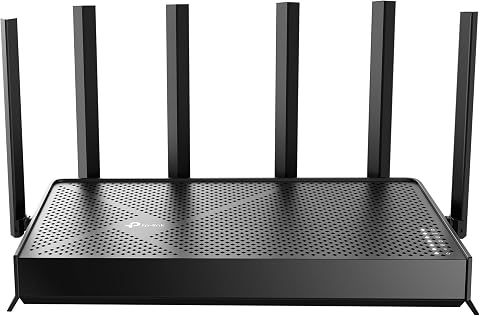 TP-Link Tri-Band WiFi 7 Router (Archer BE600) with 10G Port and HomeShield Se…View on Amazon →
 - 4
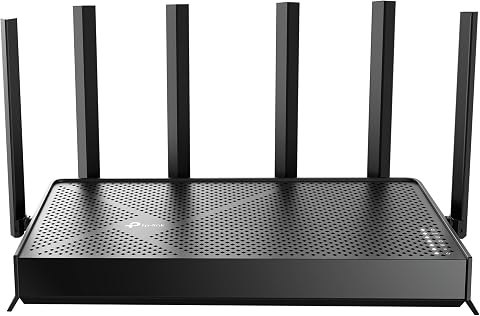 TP-Link BE6500 Dual-Band WiFi 7 Router (BE400)View on Amazon →
 - 5
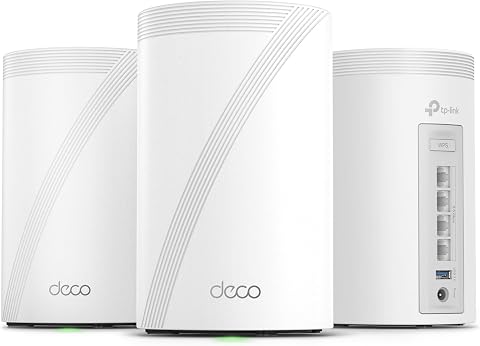 TP-Link Deco 7 Pro BE63 Tri-Band WiFi 7 Mesh System (3-Pack)View on Amazon →
 - 6
 NETGEAR Nighthawk Dual-Band WiFi 7 Router (RS140)View on Amazon →
 - 7
 TP-Link Tri-Band WiFi 7 Router (Archer BE550) with 6 Streams and 2.5G PortsView on Amazon →
 - 8
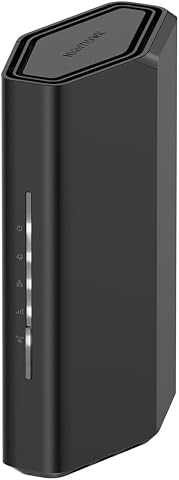 NETGEAR Nighthawk Dual-Band WiFi 7 Router (RS90)View on Amazon →
 - 9
 TP-Link Dual-Band Wi-Fi 7 Router Archer BE3600, 4-Stream, 2.5G Ports, USB 3.0…View on Amazon →
Why AI-Driven Wi-Fi 7 Matters for Home Users
This development is significant because it introduces a new level of network management that can automatically optimize performance without user intervention. For consumers, this means potentially fewer connectivity issues, better device handling, and improved speeds in increasingly crowded home environments.
As more devices become AI-compatible and bandwidth demands grow, these routers could reduce the need for manual network adjustments and troubleshooting, making advanced home networking accessible to a broader audience. The move toward AI integration also signals a broader trend in smart home technology, aligning connectivity with automation and AI-driven management systems.
Background on Wi-Fi 7 and AI Integration in Routers
Wi-Fi 7, the latest wireless standard, promises higher speeds, lower latency, and increased capacity compared to previous standards. It introduces features like 6GHz bands and multi-gigabit connections, enabling better performance for demanding applications.
While early Wi-Fi 7 routers focused on raw speed and coverage, recent developments have shifted toward incorporating AI to manage these advanced capabilities more efficiently. Industry leaders have been testing AI features in networking hardware since late 2022, with some models announced at the Consumer Electronics Show (CES) 2023.
These AI features aim to address common issues such as congestion, interference, and device prioritization, which have become more pressing as home networks grow more complex. The current wave of AI-enabled Wi-Fi 7 routers builds on this foundation, promising smarter, more adaptive home networks.
“Our new Wi-Fi 7 routers leverage AI to deliver not just faster speeds but smarter management, making complex home networks easier to handle.”
— Jane Smith, Tech Executive at NETGEAR
What Details About AI Capabilities Are Still Unclear
While manufacturers have announced AI features in Wi-Fi 7 routers, detailed information about their specific functionalities, effectiveness, and user controls remains limited. It is not yet clear how much these AI features will improve real-world performance or how they compare across different brands and models.
Further testing and consumer feedback are needed to confirm the actual benefits and limitations of AI-driven management in these routers.
Upcoming Releases and Performance Evaluations Expected Soon
Manufacturers are expected to release more detailed specifications and new models in the coming months, with early reviews and user experiences anticipated by early 2024. Industry analysts will closely monitor how AI features perform in diverse home environments, providing clearer insights into their practical value.
Consumers should watch for updates from major brands and consider waiting for comprehensive reviews before making significant upgrades. Continued development in AI-enabled networking hardware suggests that smarter, more adaptable home Wi-Fi will become standard in the near future.
Key Questions
What is Wi-Fi 7 and how is it different from previous standards?
Wi-Fi 7 is the latest wireless standard offering higher speeds, lower latency, and increased capacity through features like 6GHz bands and multi-gigabit connections. It improves on Wi-Fi 6 by supporting more devices and better performance in crowded environments.
How does AI improve Wi-Fi router performance?
AI enables routers to automatically optimize bandwidth, prioritize devices, troubleshoot issues, and adapt to changing network conditions, which can lead to more stable and faster home networks with less user intervention.
Are AI features in Wi-Fi 7 routers available in all models?
No, AI features are currently limited to certain high-end or upcoming models. Details about their capabilities vary by manufacturer, and consumer reviews will clarify their real-world effectiveness.
Will AI-driven Wi-Fi 7 routers work with older devices?
Yes, they will still support older Wi-Fi standards, but the full benefits of AI and Wi-Fi 7 features will be experienced mainly with compatible, newer devices.
When will AI-enabled Wi-Fi 7 routers be widely available?
Several models are already on the market, with more expected to be released in early 2024. Widespread adoption will depend on consumer demand and further development of AI features.
Source: ThorstenMeyerAI.com
Fall Picks
fall essentials
As an affiliate, we earn on qualifying purchases.