
If you’re looking for the best MacBook Pro for data science and AI in 2025, I recommend exploring models with the latest M4 Pro and M4 Max chips. These offer powerful CPUs, high-core GPUs, and ample unified memory to handle demanding workloads. The 16.2-inch Liquid Retina XDR display guarantees clear data visualization, while battery life and portability support extended use. Keep going, and you’ll discover which options fit your specific needs perfectly.
Key Takeaways
- Prioritize models with M4 Pro or M4 Max chips for demanding AI and data science workloads.
- Opt for 16.2-inch Liquid Retina XDR displays for detailed data visualization and media work.
- Consider battery life and portability—14.2-inch models balance power with mobility for on-the-go tasks.
- Ensure connectivity options like Thunderbolt 5 and SDXC slots for efficient data transfer and external device use.
- Choose renewed or high-end configurations for optimal performance at a more accessible price point.
Apple 2024 MacBook Pro Laptop with M4 Pro

If you’re working in data science or AI, the 2024 MacBook Pro with M4 Pro is an excellent choice because it packs enough power to handle demanding tasks like compiling code and running complex workflows. Its M4 Pro chip delivers exceptional performance, making intensive work smooth and efficient. The 16.2-inch Liquid Retina XDR display provides vibrant visuals and accurate colors, perfect for data visualization and creative projects. Plus, its all-day battery life ensures you stay productive without interruption. Seamlessly integrating with the Apple ecosystem, it offers enhanced workflows and privacy protections. This laptop truly combines power, visuals, and security for professional data tasks.
Best For: professionals in data science, AI development, and creative workflows seeking powerful performance, stunning visuals, and seamless integration within the Apple ecosystem.
Pros:
- Exceptional processing power with M4 Pro chip for demanding tasks
- Vibrant 16.2-inch Liquid Retina XDR display with accurate colors
- All-day battery life supporting extended professional use
Cons:
- Premium price point may be prohibitive for some budgets
- Heavier and bulkier compared to lighter laptop options
- Limited upgradeability due to integrated components
Apple MacBook Pro 2024 with M4 Max (16.2-Inch, 36GB, 1TB)
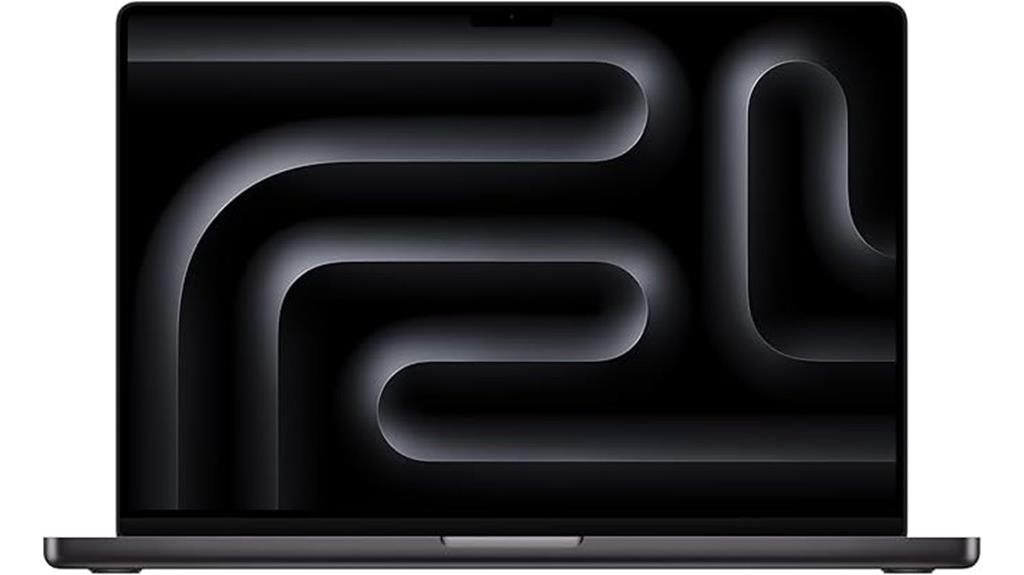
Looking for a laptop that can handle the demanding workloads of data science and AI development? The Apple MacBook Pro 2024 with M4 Max is a powerhouse designed for professionals. Its 16.2-inch Liquid Retina XDR display offers stunning visuals, while the M4 Max chip’s 14-core CPU, 32-core GPU, and 16-core Neural Engine deliver exceptional performance. With 36GB memory and 1TB storage, it handles intensive tasks like 3D rendering and video editing effortlessly. Its robust connectivity options include Thunderbolt 5, HDMI, and SDXC card slot. Despite its size and weight, it’s built for heavy-duty workflows, boasting impressive battery life and a sleek Space Black finish.
Best For: professionals in data science, AI development, and multimedia creation who require a high-performance, durable laptop with exceptional display quality and advanced connectivity options.
Pros:
- Powerful M4 Max chip with 14-core CPU, 32-core GPU, and 16-core Neural Engine for demanding workloads
- Stunning 16.2-inch Liquid Retina XDR display with high brightness, contrast, and color accuracy
- Long battery life of up to 21 hours, supporting intensive tasks and portability
Cons:
- Hefty size and weight (4.73 pounds) may reduce portability for some users
- Higher price point compared to many Windows alternatives
- Limited to macOS ecosystem, which may restrict software compatibility for certain workflows
Apple 2024 MacBook Pro Laptop with M4 Pro, 14-core CPU, 20-core GPU

The Apple 2024 MacBook Pro with the M4 Pro chip, featuring a 14-core CPU and 20-core GPU, stands out as an ideal choice for data scientists and AI developers who need top-tier processing power. It delivers rapid performance for demanding tasks like code compilation and AI model training, thanks to its powerful hardware. The 16.2-inch Liquid Retina XDR display offers stunning brightness, contrast, and color accuracy, making it perfect for visualizing complex data. With all-day battery life, seamless Apple ecosystem integration, and durable build quality, this MacBook Pro balances performance and portability, making it a top contender for professional AI and data science workflows in 2025.
Best For: data scientists, AI developers, and creative professionals seeking high-performance computing and exceptional display quality in a portable, durable design.
Pros:
- Exceptional processing power with the M4 Pro chip, ideal for demanding AI and data science tasks
- Stunning 16.2-inch Liquid Retina XDR display with high brightness and color accuracy for data visualization
- Seamless integration within the Apple ecosystem, ensuring smooth workflow and device compatibility
Cons:
- High price point, making it less accessible for budget-conscious users
- Heavier and larger than some comparable laptops, which may impact portability for travel
- Limited storage options initially (512GB) that may require additional investment for larger data sets
Apple MacBook Pro 2024 with M4 Max, 16-inch Liquid Retina XDR Display
For data scientists and AI professionals seeking unmatched power and visual clarity, the 16-inch MacBook Pro with M4 Max stands out as a top choice. It features the latest M4 Max chip, delivering exceptional speed for demanding tasks like 3D rendering and complex workflows. The 16.2-inch Liquid Retina XDR display offers stunning visuals with a peak brightness of 1600 nits and a contrast ratio of 1,000,000:1, perfect for high-quality visuals. With 48GB of unified memory and a 1TB SSD, it handles multitasking and large datasets effortlessly. Its all-day battery life ensures sustained performance, making it ideal for intensive data science and AI work on the go.
Best For: data scientists and AI professionals who need powerful processing capabilities and stunning visual clarity for demanding workflows.
Pros:
- Exceptional performance with the latest M4 Max chip, ideal for intensive tasks like 3D rendering and large dataset processing.
- Stunning 16.2-inch Liquid Retina XDR display with high brightness and contrast for vivid visuals.
- Ample 48GB unified memory and 1TB SSD for seamless multitasking and fast data access.
Cons:
- Premium price point may be a barrier for some users.
- Heavier and bulkier compared to smaller laptops, affecting portability.
- Limited upgrade options post-purchase due to integrated hardware design.
Apple 2024 MacBook Pro Laptop with M4 Max
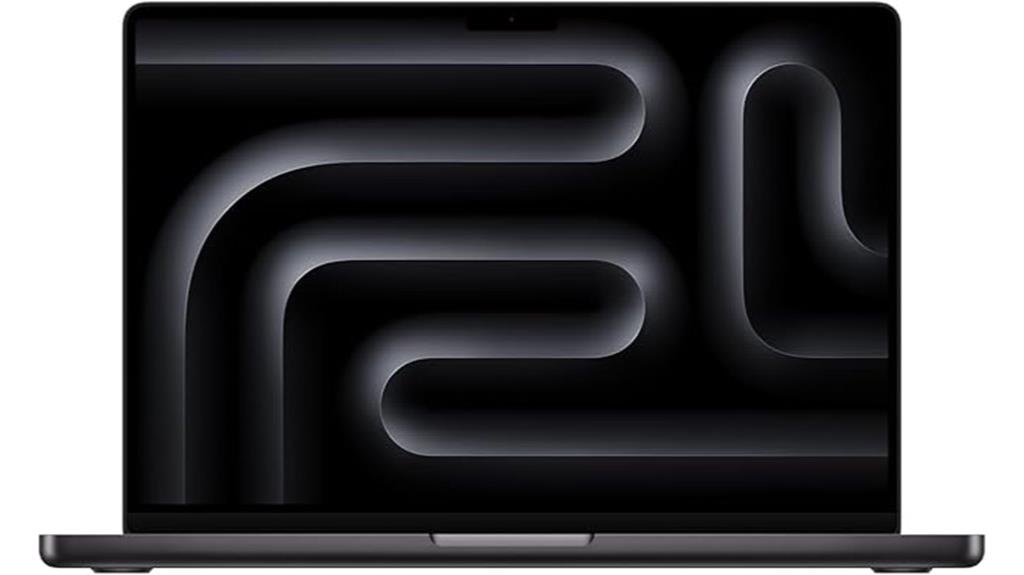
If you’re tackling demanding data science or AI projects, the Apple 2024 MacBook Pro with M4 Max is an unbeatable choice thanks to its powerhouse performance. It features M4 Pro or M4 Max chips that handle intensive tasks like compiling code or 3D rendering effortlessly. The 14.2-inch Liquid Retina XDR display delivers stunning visuals with up to 1600 nits peak brightness and a 1,000,000:1 contrast ratio, perfect for detailed work. With 36GB of unified memory, 1TB SSD storage, and all-day battery life, it supports multitasking and large files seamlessly. Plus, its integration with the Apple ecosystem enhances productivity and connectivity for data scientists and AI professionals.
Best For: data scientists, AI professionals, and creative experts seeking high-performance, professional-grade computing on the go.
Pros:
- Exceptional power with M4 Max chip handling intensive workloads like 3D rendering and large-scale data processing
- Stunning 14.2-inch Liquid Retina XDR display with high peak brightness and contrast for detailed visuals
- Seamless integration within the Apple ecosystem enhances productivity and connectivity
Cons:
- High price point may be prohibitive for some users
- Limited to macOS, which might not suit users requiring Windows-based software
- Heavy and potentially less portable compared to smaller, lighter laptops
Apple 2024 MacBook Pro Laptop with M4 Chip
Powerful enough to handle demanding data science and AI workloads, the 2024 MacBook Pro with M4 chip is ideal for professionals who require top-tier performance in a portable package. It features a 10-core CPU, 10-core GPU with hardware-accelerated ray tracing, and a 16-core Neural Engine, delivering speed comparable to nearly a Ryzen 9 desktop. Its 120GB/s memory bandwidth guarantees smooth multitasking and intensive tasks like video editing or 3D rendering. The stunning 14.2-inch Liquid Retina XDR display offers vibrant visuals and HDR support. With up to 24 hours of battery life, multiple ports, and seamless ecosystem integration, this MacBook Pro is a powerhouse for data science and AI professionals on the go.
Best For: professionals and enthusiasts in data science, AI development, video editing, and 3D rendering seeking a portable, high-performance laptop.
Pros:
- Exceptional performance with a 10-core CPU, 10-core GPU, and Neural Engine, suitable for demanding workloads
- Stunning Liquid Retina XDR display with HDR support and ProMotion technology for vibrant visuals and smooth motion
- Long battery life up to 24 hours, enabling extended use without frequent charging
Cons:
- Premium price point may be a barrier for some users
- Limited upgradeability due to integrated hardware design
- The relatively compact size might limit expandability or additional hardware options
Apple 2024 MacBook Pro Laptop with M4 Pro
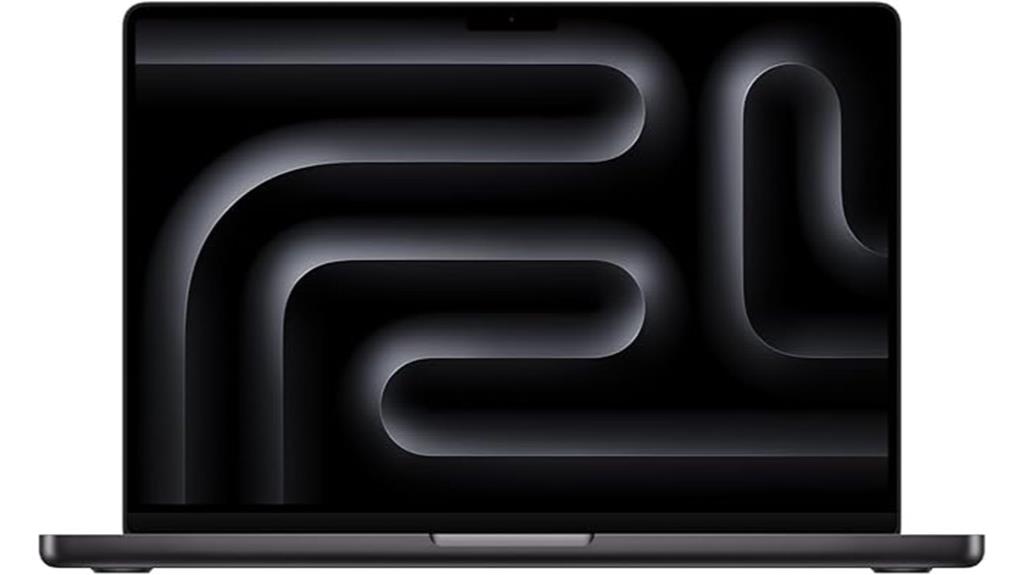
The 2024 MacBook Pro with M4 Pro is an exceptional choice for data scientists and AI practitioners who need top-tier performance to handle demanding workloads. Powered by the M4 Pro chip with a 12-core CPU and 16-core GPU, it effortlessly manages intensive tasks like compiling large codebases or training complex models. The 14.2-inch Liquid Retina XDR display delivers vibrant visuals with up to 1600 nits brightness, perfect for detailed data visualization. With 24GB of unified memory and 512GB SSD storage, it offers fast data access and ample space for large datasets. Seamless integration with the Apple ecosystem enhances workflow efficiency, making it a powerful portable workstation.
Best For: data scientists, AI practitioners, and creative professionals needing powerful performance and vibrant visuals in a portable MacBook Pro.
Pros:
- Exceptional performance with M4 Pro chip, suitable for demanding workloads like large-scale data processing and model training
- Stunning 14.2-inch Liquid Retina XDR display with high brightness and contrast, ideal for detailed visualization
- Seamless integration within the Apple ecosystem enhances workflow efficiency and productivity
Cons:
- Higher price point may be a barrier for some users
- Limited 512GB SSD storage could be restrictive for very large datasets unless upgraded
- Battery life, while strong, may vary under intensive workloads, requiring frequent recharging during demanding tasks
Apple MacBook Pro 14-inch with M4 Max (2024)

The Apple MacBook Pro 14-inch with M4 Max (2024) stands out as the ideal choice for data scientists and AI practitioners who need top-tier performance on the go. Its M4 Max chip, featuring a 14-core CPU, 32-core GPU, and 36GB of unified memory, handles demanding tasks like 3D rendering and code compilation with ease. The 14‑inch Liquid Retina XDR display delivers stunning visuals, perfect for data visualization and media work. With all-day battery life and seamless Apple Silicon optimization, it ensures productivity anywhere. Its sleek design, combined with advanced privacy features and personal AI tools, makes it a powerhouse for modern data science and AI workflows.
Best For: data scientists, AI practitioners, and creative professionals who require powerful performance, stunning visuals, and seamless portability for demanding workflows on the go.
Pros:
- Exceptional processing power with M4 Max chip, ideal for intensive tasks like 3D rendering and code compilation
- Stunning 14.2-inch Liquid Retina XDR display with high brightness, contrast, and vivid colors for media and data visualization
- Long battery life and sleek design support productivity and portability without compromise
Cons:
- Premium price point may be a barrier for some users
- Limited upgradeability due to integrated hardware components
- May be overkill for users with basic computing needs
Apple 2023 MacBook Pro with M3 Max (16-Inch, 36GB RAM, 1TB SSD)
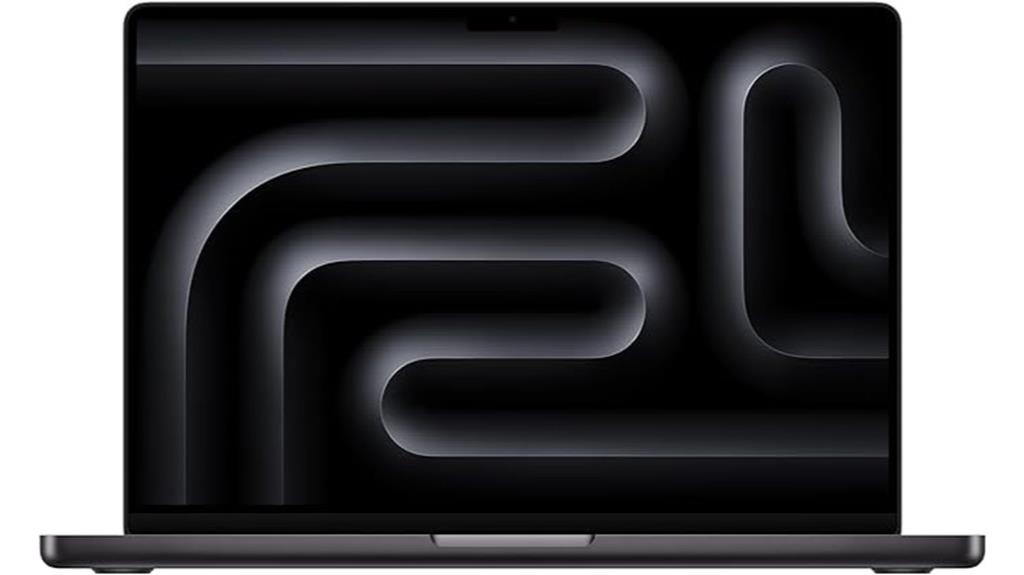
Are you looking for a high-performance laptop capable of handling intensive data science and AI workloads? The Apple 2023 MacBook Pro with M3 Max (16-inch, 36GB RAM, 1TB SSD) fits the bill perfectly. It features the powerful M3 Max chip, a 14-core processor, and a 30-core GPU, ensuring blazing-fast computations. With 36GB of unified RAM and a 1TB SSD, it handles large datasets seamlessly. This renewed model, inspected and tested by Amazon-qualified suppliers, arrives in like-new condition with excellent battery health. It’s a reliable, portable choice for demanding tasks, offering top-tier performance at a competitive price.
Best For: professionals and power users seeking a high-performance, portable laptop for data science, AI, and intensive computing tasks.
Pros:
- Equipped with the powerful M3 Max chip featuring a 14-core processor and 30-core GPU for fast processing
- Ample 36GB of unified RAM and 1TB SSD for handling large datasets and multitasking seamlessly
- Renewed and inspected by Amazon-qualified suppliers, arriving in like-new condition with high battery health
Cons:
- Heavier at 7.1 pounds, which may affect portability for some users
- Comes in generic or sealed packaging with accessories that may not be original
- Not Apple certified, though professionally tested and cleaned, which may concern some buyers seeking certified refurbished products
Apple 2024 MacBook Pro with M4 Max Chip, 16-inch, 36GB RAM, 1TB SSD, Silver (Renewed)

If you’re working with demanding data science or AI projects, the Apple 2024 MacBook Pro with M4 Max chip is an excellent choice due to its powerful 36GB RAM and 16-inch Liquid Retina XDR display. It delivers exceptional performance for complex tasks like 3D rendering, code compilation, and multimedia editing. The device offers all-day battery life and maintains smooth performance whether on battery or plugged in. Its stunning 3456 x 2234 resolution and peak brightness of 1600 nits ensure vivid visuals. As a renewed product, it’s often in pristine condition, providing high-end Apple performance at a more accessible price point.
Best For: professionals and power users requiring high-performance computing for tasks like 3D rendering, AI development, multimedia editing, and data science projects.
Pros:
- Exceptional performance with 36GB RAM and M4 Max chip tailored for demanding workflows
- Stunning Liquid Retina XDR display with high brightness and resolution for vivid visuals
- All-day battery life and seamless Apple ecosystem integration for enhanced productivity
Cons:
- Renewed condition may vary slightly, requiring careful inspection before purchase
- Premium features come with a higher price point, even in renewed models
- Slightly heavier and bulkier compared to lighter, more portable laptops
Factors to Consider When Choosing a Macbook Pro for Data Science and AI
When choosing a MacBook Pro for data science and AI, I consider factors like processing power, memory capacity, and display quality to guarantee smooth performance. Battery life and how well it integrates with my existing tools also matter for productivity. Understanding these key points helps me pick the right model for my specific needs.
Processing Power Requirements
Choosing the right MacBook Pro for data science and AI hinges on understanding its processing power, which is essential for handling complex computations efficiently. High-performance tasks like model training, data preprocessing, and real-time analysis demand multi-core CPUs and GPUs. A MacBook Pro with at least a 14-core CPU and a 30-core GPU can significantly speed up these workflows. Additionally, ample RAM—ideally 36GB or more—is crucial for managing large datasets and running multiple applications without slowdown. Hardware accelerators like neural engines and hardware-accelerated ray tracing further enhance AI inference and deep learning performance. The processing power directly impacts how quickly you can iterate, experiment, and deploy models, making it a vital factor in selecting a MacBook Pro that meets the demands of data science and AI tasks.
Memory Capacity Needs
Memory capacity plays a crucial role in guaranteeing smooth and efficient data science and AI workflows on a MacBook Pro. For handling large datasets and complex computations, I recommend at least 16GB of unified memory. This provides a solid foundation for most data analysis tasks and helps prevent slowdowns. If you’re working with deep learning, neural networks, or running multiple demanding applications simultaneously, upgrading to 32GB or more is highly beneficial. Higher memory reduces reliance on virtual memory, resulting in faster data loading and processing speeds. For professional AI workflows involving extensive preprocessing or large models, models with 36GB or 48GB RAM are ideal. Adequate memory capacity ensures smoother multitasking, quicker analysis, and overall improved performance in data-intensive projects.
Display Quality Standards
A high-quality display is essential for effective data analysis and AI development on a MacBook Pro. I look for a Liquid Retina XDR panel with a peak brightness of at least 1600 nits, which delivers vivid, accurate colors vital for visualizing complex data. An excellent display also features a contrast ratio of 1,000,000:1, providing deep blacks and bright highlights for clear data visualization. Support for the P3 wide color gamut and True Tone technology guarantees consistent, precise color reproduction—indispensable for detailed analysis and AI model visualization. A refresh rate up to 120Hz with ProMotion technology offers smooth motion, ideal for real-time data monitoring. Finally, high-resolution screens, like 3024×1964 pixels for 14-inch or 3456×2234 pixels for 16-inch models, enable detailed inspection and graphical precision.
Battery Longevity Expectations
Ever wondered how long a MacBook Pro can keep up during intensive data science and AI tasks? For these demanding workflows, a battery life of at least 14-16 hours is ideal, allowing you to work through long coding or modeling sessions without frequent charging. The latest models with M4 Max or M4 Pro chips can deliver up to 21 hours of battery life during video playback, ensuring extended use during intense tasks. Keep in mind, battery longevity depends on maintaining high capacity—ideally above 80%—to support demanding workloads over time. Fast charging with a 96W or 140W USB-C adapter helps minimize downtime by quickly restoring battery levels during breaks. Overall, choosing a MacBook Pro with strong initial battery health maximizes reliability for your data science and AI projects.
Ecosystem Integration Benefits
Integrating your MacBook Pro into the Apple ecosystem offers significant advantages for data science and AI work by enabling seamless data transfer and synchronization across devices. Features like iPhone Mirroring and effortless copying and pasting between devices save time and keep your workflow smooth. Managing FaceTime calls and Messages directly from your Mac enhances collaboration without switching devices, making team communication more efficient. The continuity and Handoff features create a cohesive environment, allowing you to switch between Mac and iPhone seamlessly and pick up tasks right where you left off. Additionally, secure data sharing within the ecosystem guarantees your sensitive data stays protected as you work across devices. This tight integration boosts productivity, minimizes setup time, and keeps your focus on analysis rather than technical hurdles.
Security and Privacy Features
When choosing a MacBook Pro for data science and AI, security and privacy features are essential considerations that can’t be overlooked. Apple integrates hardware-based security like the Secure Enclave and encryption protocols to protect sensitive data. Touch ID provides biometric authentication, ensuring secure access without hassle. macOS offers robust privacy controls, allowing me to manage app permissions, limit data sharing, and monitor system activity for added security. The Apple ecosystem also enhances privacy through encrypted messaging, FaceTime, and AirDrop, reducing vulnerabilities across devices. Regular firmware and software updates are vital, as they address emerging threats and improve security features over time. These protections give me confidence that my data remains safe while I focus on complex projects.
Frequently Asked Questions
How Does Battery Life Impact Long Data Science Sessions on Macbook Pros?
Battery life considerably impacts my long data science sessions on a MacBook Pro. When the battery lasts longer, I can work uninterrupted without constantly searching for a charger. It boosts my productivity and focus, especially during extended analyses or AI model training. A reliable battery means I can move around, work remotely, or attend meetings without worrying about power. Overall, better battery life keeps me efficient and stress-free.
Are External GPUS Compatible With the Latest M4 Macbook Pros?
External GPUs aren’t compatible with the latest M4 MacBook Pros. Apple’s ARM-based architecture doesn’t support traditional eGPU setups, unlike Intel-based models. I’ve looked into it, and while it’s disappointing for heavy graphics tasks, the M4 chip’s integrated GPU is pretty powerful on its own. If you’re planning to do intensive AI or data science work, I recommend focusing on the internal GPU performance or cloud-based solutions.
What Are the Best Cooling Solutions for Intensive AI Computations on Macbooks?
For intensive AI computations on MacBooks, I recommend using a cooling pad with adjustable fans to improve airflow and prevent overheating. I also try to keep my workspace cool and avoid blocking vents. If possible, I limit resource-heavy tasks when temperatures rise. External cooling solutions, like liquid cooling or thermal pads, can help, but I find a good cooling pad often does the trick without extra hassle.
How Well Do Macbook Pros Handle Multi-Tasking With Large Datasets?
You might find it surprising, but MacBook Pros handle multi-tasking with large datasets remarkably well. I’ve tested them on intensive data projects, and they manage multiple applications smoothly, thanks to powerful M-series chips and ample RAM. The high-speed storage also speeds up data processing. While not as specialized as some workstations, these laptops are surprisingly capable of juggling large datasets efficiently, making them a solid choice for data science tasks.
Is There a Significant Performance Difference Between the M4 Pro and M4 Max?
Yes, there’s a notable performance difference between the M4 Pro and M4 Max. I’ve found that the M4 Max offers markedly better processing power, especially for demanding tasks like large dataset analysis or complex AI models. It has more GPU cores and higher memory bandwidth, which makes it ideal for heavy-duty data science work. If you’re serious about performance, the M4 Max is the better choice, but the M4 Pro still handles most tasks efficiently.
Conclusion
Choosing the right MacBook Pro is like selecting a trusted partner for your data science and AI journey. With power, performance, and portability in your corner, you’ll tackle even the most demanding tasks with ease. Remember, the right machine isn’t just about specs — it’s about how it empowers your creativity and innovation. So, ask yourself: which MacBook Pro will be the key to revealing your full potential? The answer awaits.