
TL;DR
Hardware wallets are physical devices that store private keys offline, making them one of the safest ways to protect cryptocurrencies. Recent upgrades include biometric security and support for DeFi and NFTs. Proper setup and safe seed phrase management are essential for maximum security.
It hits you like a splash of cold water: your crypto holdings are only as secure as your storage method. If you’re holding significant amounts, a hardware wallet isn’t just an option — it’s a necessity. These physical devices act like digital safes, guarding your private keys away from online threats.
In this article, you’ll learn how hardware wallets work, discover recent tech upgrades, and get practical tips to choose and use one confidently. Think of it as your quick guide to locking down your crypto treasure chest.
Hardware wallets store private keys offline, making them highly resistant to online hacking.
Always keep your seed phrase offline and secure; it’s your ultimate backup.
New features like biometric access and support for NFTs are making wallets more versatile.
Beware supply chain risks — buy only from trusted vendors.
Regular firmware updates and careful transaction verification boost security.
What Makes Hardware Wallets the Fort Knox of Crypto Storage?
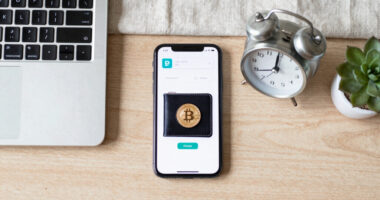
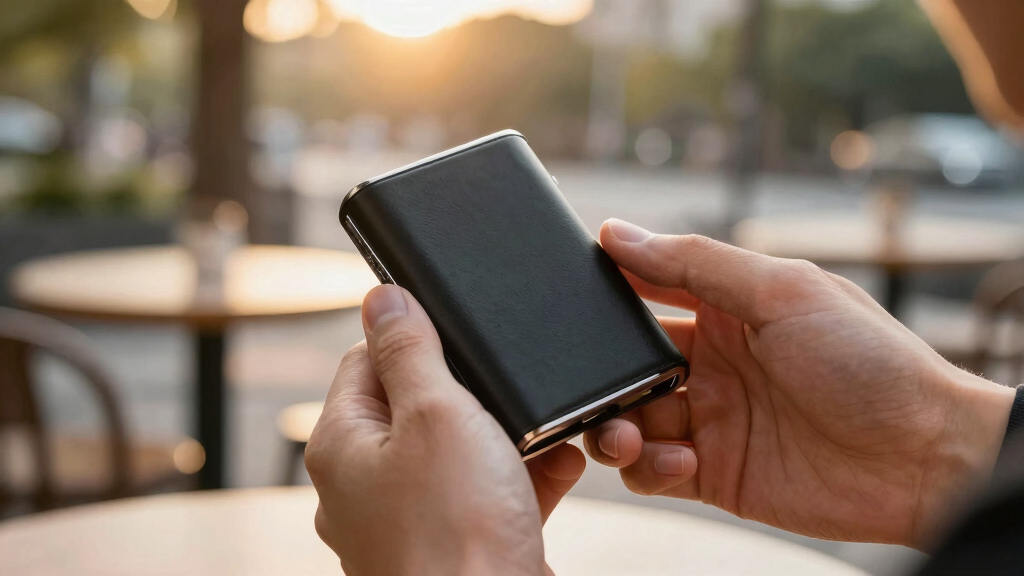
Hardware wallets are sturdy, pocket-sized devices designed to keep your private keys offline. Imagine a tiny bank vault with a screen and buttons — that’s what they are. They shield your keys from hackers, malware, and phishing attempts, unlike online wallets that are always connected and vulnerable.
For example, when you want to send Bitcoin, the wallet signs the transaction inside the device, without exposing your private key to the internet. This process ensures that your sensitive information remains isolated from potential online threats. The implication is that even if your computer is compromised by malware, your private keys stay secure within the device. However, this security comes with a tradeoff: if you lose the device or forget your seed phrase, access to your funds could be irreversible. Therefore, understanding the importance of safeguarding these physical and mnemonic backups is crucial for long-term security.

TANGEM Crypto Wallet Pack of 2 – Trusted Cold Storage Hardware Wallet for Bitcoin, Ethereum, NFTs & Altcoins – 100% Offline Crypto Cold Wallet
Proven security at scale: Over 9 years and millions of cards issued with no known remote hacks, while…
As an affiliate, we earn on qualifying purchases.
As an affiliate, we earn on qualifying purchases.
How to Pick the Perfect Hardware Wallet — 5 Tips You Need
- Check Compatibility: Make sure it supports your main cryptocurrencies like Bitcoin, Ethereum, or any altcoins you hold. Compatibility matters because some wallets only support certain coins or tokens, which can limit your ability to diversify or manage assets efficiently. Choosing a device supporting a broad range of assets ensures future flexibility and reduces the need for multiple wallets.
- Security Features: Look for tamper-resistant chips, PIN protection, and optional passphrases. These features add layers of defense; for example, a tamper-resistant chip can detect physical intrusion attempts and wipe sensitive data, while a strong PIN or passphrase prevents unauthorized access if the device is lost or stolen. Understanding these features helps you evaluate the actual security level and the potential tradeoffs—like usability versus protection—so you can select a wallet aligned with your risk tolerance.
- User Experience: Consider if the device is easy to set up and use — some have touchscreen interfaces, others are button-based. An intuitive interface reduces setup errors and transaction mistakes, which are critical since errors can expose your assets or compromise security. For example, a touchscreen might offer more clarity but could be more vulnerable to physical damage; understanding these nuances helps you choose a device that balances convenience and durability.
- Cost vs. Features: Expect to spend between $50 and $200. Cheaper options might lack advanced security features or broad coin support, while higher-end models often include additional functionalities like Bluetooth connectivity or multi-sig support. Weighing cost against needed features ensures you don’t overspend on unnecessary options or underfund a device that could compromise your security or usability.
- Community and Support: Brands like Ledger and Trezor have large user bases and active support channels, which can be a lifesaver when troubleshooting or verifying authenticity. A strong community provides shared knowledge, firmware updates, and security alerts, which are vital for maintaining long-term security. Investing in reputable brands with ongoing support minimizes risks associated with counterfeit or outdated devices, thereby protecting your assets more effectively.
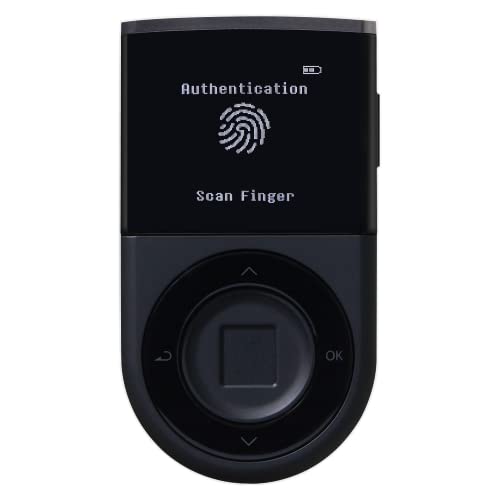
D'CENT Hardware Wallet | Biometric Cold Storage, Bluetooth, Multi-Crypto
EAL5+ CERTIFIED SECURE ELEMENT + FINGERPRINT PROTECTION — Your private keys stay encrypted offline on a certified EAL5+…
As an affiliate, we earn on qualifying purchases.
As an affiliate, we earn on qualifying purchases.
The Latest in Hardware Wallet Tech — What’s New in 2023?
Hardware wallets are evolving fast. This year, biometric security has become a game-changer. Devices now include fingerprint sensors and facial recognition for quick, secure access. This innovation reduces the risk of unauthorized access, especially in shared or insecure environments, but it also introduces potential vulnerabilities if biometric data is compromised. Understanding the implications helps you weigh convenience against privacy concerns.
Support for DeFi and NFTs has exploded. More wallets now let you manage your digital art and yield farming directly from the device. This integration simplifies complex financial activities, making decentralized finance more accessible to everyday users. Wireless connectivity, like Bluetooth, means you can connect to your phone without plugging in — making transactions smoother, but it also broadens attack surfaces. Recognizing these tradeoffs enables you to balance ease of use with security considerations.
Open-source firmware is gaining popularity. Brands like Trezor share their code publicly, inviting community audits that boost trust. This transparency allows security researchers to identify vulnerabilities early, but it also means potential exploits could be discovered by malicious actors. Multi-asset support and multi-signature features are also making wallets more versatile for both individuals and organizations, enabling more complex security setups that can protect larger or more sensitive holdings. Appreciating these advancements helps you choose a device aligned with your security needs and operational complexity.
NFT support hardware wallet
As an affiliate, we earn on qualifying purchases.
As an affiliate, we earn on qualifying purchases.
What Are the Risks? When Hardware Wallets Can Fail You
While hardware wallets are among the safest options, they’re not invincible. Physical damage, loss, or theft can happen, and these risks underscore the importance of proper backup strategies. If you lose your seed phrase and device, your funds could be gone forever, emphasizing why secure, offline storage of seed phrases is vital. The tradeoff is that if your backups are compromised or misplaced, recovery becomes impossible, highlighting the importance of meticulous security practices.
Supply chain attacks are another concern. Buying from an untrusted seller might expose you to tampered devices that could contain malicious hardware or firmware. This risk is heightened by the fact that counterfeit or compromised devices can look identical to authentic ones, making verification essential. Phishing attacks targeting seed phrases and recovery phrases are common — always keep these offline and private. Recognizing these risks encourages cautious procurement and vigilant security habits, which are crucial for maintaining long-term asset safety.
hardware wallet for Bitcoin and Ethereum
As an affiliate, we earn on qualifying purchases.
As an affiliate, we earn on qualifying purchases.
Compare Top Hardware Wallets — Which One Fits Your Needs?
| Feature | Ledger Nano S | Trezor Model T | KeepKey |
|---|---|---|---|
| Price | $60 | $170 | $50 |
| Supported Cryptos | >1,500 | >1,600 | ~50 |
| Connectivity | USB, Bluetooth (Nano X) | USB, MicroSD | USB |
| Open Source | No | Yes | No |
| Ease of Use | Simple interface | Touchscreen, complex setup | Basic, straightforward |
The Smart Way to Use Your Hardware Wallet Like a Pro
Set up your device carefully from the start. Write down your seed phrase on paper — never digital. Store it in a secure, offline location like a safe or safety deposit box. This backup is your ultimate safeguard; losing it means losing access to your assets forever. Understanding the importance of this step emphasizes that security is not just about the device but also about how you manage your seed phrase.
When making transactions, verify all details on the device screen. Avoid doing it on your computer or phone to prevent phishing. Regularly update the device’s firmware from official sources to patch security holes. This practice ensures that you benefit from the latest protections and bug fixes, reducing vulnerabilities that could be exploited by attackers. For example, double-checking recipient addresses on the device rather than on a compromised computer adds an extra layer of security, preventing potential scams or malware from redirecting your funds.
Frequently Asked Questions
Are hardware wallets really secure?
Yes, when used properly, hardware wallets provide a high level of security by keeping private keys offline and protected from online threats. They are considered the safest option for long-term storage of large crypto holdings.
How do I set up a hardware wallet?
Initial setup involves connecting the device, creating a PIN, and writing down your seed phrase offline. Follow the manufacturer’s instructions carefully to secure your recovery options.
Can I use a hardware wallet with multiple cryptocurrencies?
Most hardware wallets support a wide range of coins and tokens, often via compatible apps. Check compatibility if you hold specific altcoins or NFTs.
What happens if I lose my hardware wallet?
You can recover your funds using the seed phrase on a new compatible device. That’s why safeguarding your seed phrase is critical.
Are hardware wallets worth the investment?
For holding significant amounts of crypto, they’re generally worth the cost. They add a robust layer of security that software wallets can’t match, especially against online attacks.
Conclusion
Your crypto future depends on how well you secure your keys today. A hardware wallet isn’t just a gadget — it’s your digital vault, protecting what you own from evolving threats.
Think of it as locking your treasure chest with a complex lock and a secret code. Keep that code safe, stay updated, and your digital assets will stay protected for years to come.