

📊 Full opportunity report: How AI Is Changing The Way We Protect Data And Privacy on ThorstenMeyerAI.com — validation score, market gap, and execution plan.
TL;DR
AI is increasingly used to enhance data security and privacy, but recent vulnerabilities in hardware wallets highlight new risks. Experts see AI as both a tool and a potential threat in digital security.
On July 30, 2023, a security flaw in a widely used hardware wallet led to the theft of over 70 million dollars worth of Bitcoin from more than 1,196 wallets, exposing critical vulnerabilities in digital asset protection. This incident underscores how AI-assisted tools and evolving technology are both revolutionizing and complicating data security strategies, making it a pivotal moment for digital privacy worldwide.
The breach was caused by a firmware bug in a popular hardware wallet, which had gone unnoticed for over five years. The flaw stemmed from an integration error in a 2021 firmware update that shifted seed generation from a hardware-based random number generator to a deterministic software fallback, drastically reducing entropy. As a result, affected wallets produced private keys from a much smaller, searchable universe, which attackers exploited by generating all possible keys, checking for balances on the blockchain, and swiftly draining wallets in under an hour.
Coinkite, the wallet manufacturer, acknowledged the engineering mistake, with CEO Rodolfo Novak noting that even recent AI-assisted code reviews failed to detect the flaw. While there is no public evidence that AI was directly involved in executing the attack, experts suspect that AI tools played a role in discovering or automating the exploit, given the rapidity and scale of the theft. The incident has sparked widespread concern about the security of hardware wallets and the role of AI in cybersecurity.
A firmware error shrank the pool that “random” keys were drawn from. A searchable pool is a drainable one. Here is the mechanism, conceptually — no operational detail.
A March 2021 firmware update rerouted key generation from the device’s hardware random-number generator to a deterministic software fallback — drawing seeds from a dramatically smaller universe.
Once the flaw is understood, the whole attack runs on an ordinary machine — no internet needed until the final move.
Implications of AI in Digital Security and Privacy
This incident exemplifies a broader shift where AI is both a tool for enhancing security and a potential enabler of new vulnerabilities. As AI becomes integral to code review, threat detection, and automation, malicious actors may also leverage AI to find and exploit weaknesses faster than ever before. The event highlights the urgent need for evolving security protocols that incorporate AI safeguards to protect sensitive data and digital assets in an increasingly AI-driven landscape.

Bitkey Bitcoin Hardware Wallet - Secure Wallet for Self Custody, No Seed Phrase, 2-of-3 Multisig Security, NFC Device, iOS and Android Compatible
- Self Custody Bitcoin Wallet: Secure your bitcoin independently
- No Seed Phrase Needed: Reduces risk of loss or theft
- Multisig Security Architecture: Requires 2 of 3 keys for access
As an affiliate, we earn on qualifying purchases.
As an affiliate, we earn on qualifying purchases.
Recent Advances and Risks in AI-Driven Security
Over the past few years, AI has been integrated into cybersecurity for tasks like anomaly detection, threat hunting, and automated patching. However, the recent hardware wallet breach illustrates how AI can inadvertently or deliberately contribute to security failures. The firmware bug, which remained dormant for years, was only exploited after a new AI model or tool likely facilitated rapid discovery and attack execution. Industry experts emphasize that the incident is a warning sign of how AI's capabilities can accelerate both defense and offense in digital security.
"This is the sober reality of a new AI paradigm, where AI-assisted code review can surface latent bugs faster than industry experts."
— Rodolfo Novak, CEO of Coinkite

CYBERSECURITY DATA PROTECTION: AGAINST ATTACKS AND THEAT TRENDS WITH LEGAL AND ETHICAL CONSIDERATIONS
As an affiliate, we earn on qualifying purchases.
As an affiliate, we earn on qualifying purchases.
Unclear Role of AI in the Attack Process
There is no definitive evidence that AI directly orchestrated or executed the attack. Industry analysts believe AI likely facilitated the rapid discovery and automation of the exploit, but this remains unconfirmed. The precise involvement of AI tools in the attack chain is still under investigation, and details about the specific models or techniques used are not publicly available.
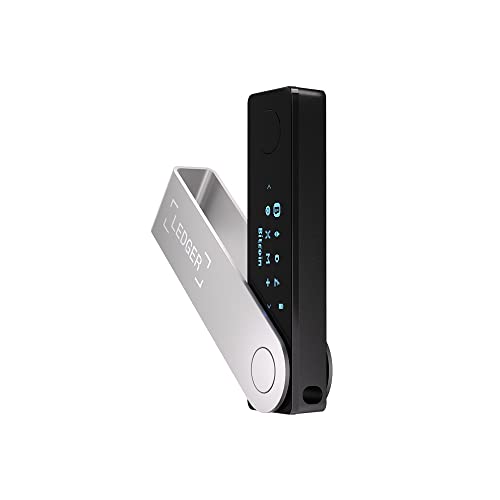
Ledger Nano X - Classic Crypto Wallet with Bluetooth
- All-in-One Crypto Management: Buy, sell, swap, stake, and track 15,000+ coins
- Market Monitoring: Real-time alerts and performance tracking
- Bluetooth & iOS Compatibility: Wireless connectivity for mobile devices
As an affiliate, we earn on qualifying purchases.
As an affiliate, we earn on qualifying purchases.
Future Security Measures and AI Integration Strategies
Security firms and hardware manufacturers are expected to accelerate the integration of AI-powered safeguards, including enhanced code audits and anomaly detection systems. Regulatory bodies may also introduce stricter standards for firmware updates and supply chain security. Meanwhile, users are advised to stay vigilant, update firmware promptly, and adopt multi-layered security practices to mitigate emerging AI-driven threats.
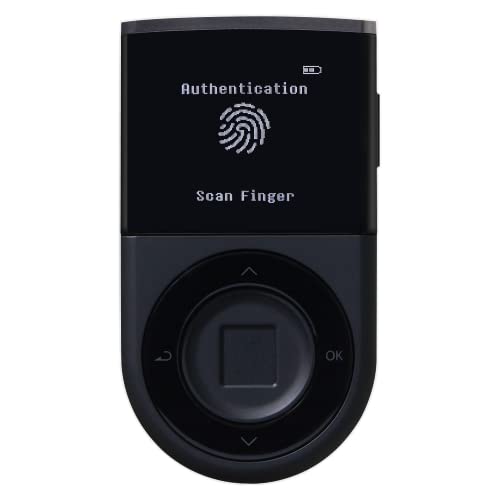
D'CENT Hardware Wallet | Biometric Cold Storage, Bluetooth, Multi-Crypto
- Secure Element with Fingerprint: EAL5+ certified chip with biometric protection
- Supports 4,900+ Assets: Compatible with over 100 blockchains and tokens
- Bluetooth Mobile Management: Tap-to-sign via D'CENT app for easy control
As an affiliate, we earn on qualifying purchases.
As an affiliate, we earn on qualifying purchases.
Key Questions
Could AI have prevented this hardware wallet breach?
While AI-assisted code reviews failed to detect the bug, advanced AI tools may in the future help identify similar vulnerabilities earlier. However, AI alone cannot guarantee prevention without comprehensive security protocols.
Are other hardware wallets at risk from similar flaws?
It is possible, especially if other devices use similar firmware update processes or random number generation methods. Users should follow manufacturer advisories and update firmware regularly.
How can I protect my digital assets from AI-enabled threats?
Employ multi-factor authentication, keep firmware and software updated, and use hardware wallets from reputable vendors. Staying informed about emerging threats is also crucial.
Is AI making cybersecurity more dangerous or more secure?
AI is a dual-use technology, capable of enhancing security through automation and detection, but also enabling faster and more sophisticated attacks. Its impact depends on how it is deployed and regulated.
Source: ThorstenMeyerAI.com