
To build trust in crypto projects, you need transparent governance, honest communication, and consistent updates. Be open about progress, setbacks, and decision-making processes to show you value your community’s input. Avoid secrecy or manipulations that can quickly erode confidence. When transparency and accountability are prioritized, you foster loyalty and resilience. If you want to understand the key factors that influence trust—and how to maintain it—keep exploring these essential elements.
Key Takeaways
- Consistent, honest communication and transparency about progress, challenges, and decision-making foster trust within the community.
- Clear, open governance processes ensure community members feel involved and confident in project fairness.
- Sharing security audits, code updates, and future plans transparently reassures stakeholders.
- Lack of transparency, secrecy, or undisclosed issues erodes trust and raises suspicion.
- Manipulation, mismanagement, or failure to address community concerns quickly damage long-term credibility.
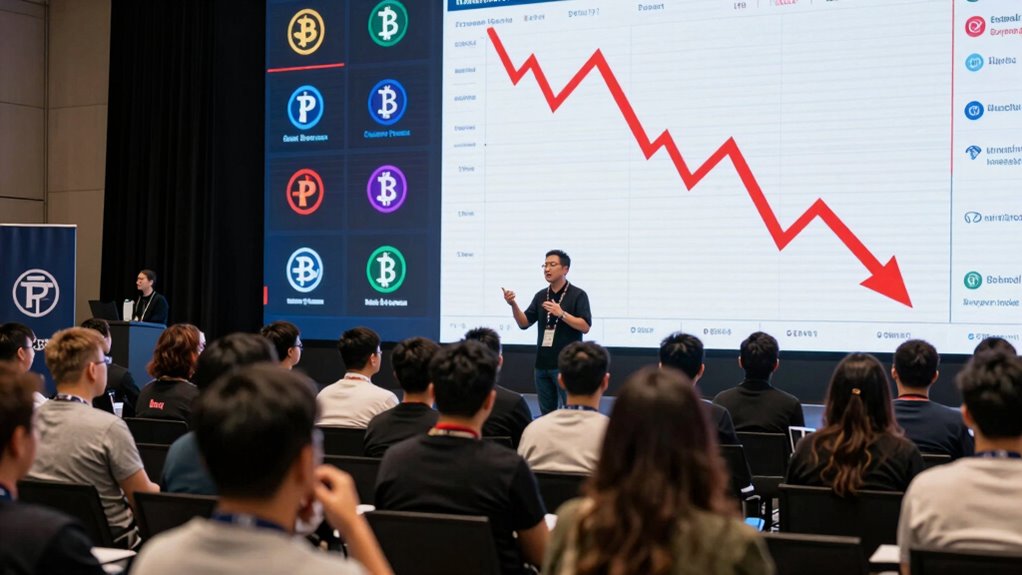
Building trust in crypto projects is essential, yet it can be fragile and easily lost when transparency and integrity are compromised. When you’re involved in a project, you rely heavily on how well the team manages token governance and demonstrates developer transparency. These elements are the backbone of community confidence. Token governance determines how decisions are made, who has a say, and how the project adapts over time. If governance processes are unclear or overly centralized, it raises doubts about the project’s fairness and long-term viability. Conversely, transparent governance—where rules, voting mechanisms, and decision-making processes are openly shared—builds trust because you see that the project respects community input and operates with accountability. Clear governance structures, such as voting rights and decision protocols, are crucial for maintaining community trust.
Developer transparency plays a key role too. When developers openly share their progress, challenges, and future plans, it reassures you that the project is genuine and committed. Transparency about code updates, security audits, and even setbacks helps you feel confident that the project isn’t hiding issues or acting in bad faith. Transparency practices, such as regular updates and community Q&As, help foster this environment of openness. On the other hand, secrecy or sudden changes without explanation can erode trust quickly. If developers avoid addressing community concerns or withhold essential information, it signals a lack of integrity. This kind of opacity makes you wary of risks like mismanagement or malicious intent. Additionally, maintaining a culture of honest communication** and openness can significantly strengthen community confidence. Promoting sustainable practices also ensures the long-term health of the project and its community. Furthermore, ensuring reliable information** is consistently shared is fundamental because it directly influences your confidence in the project’s legitimacy.
Building trust takes time, and it’s rooted in consistent, honest communication. When project leaders regularly update you through clear channels and involve the community in governance decisions, you develop a sense of shared ownership. This collaborative approach fosters loyalty and investment. Conversely, trust can be lost swiftly if transparency is compromised. For example, if a project suddenly changes its tokenomics without notice, or if developers refuse to disclose security vulnerabilities, you might question their motives. Rumors of misappropriation or governance manipulation spread easily, especially in a space where trust is paramount. The reliability of information shared by developers greatly influences your confidence in the project.
Ultimately, your confidence hinges on how well the project balances token governance and developer transparency. When these elements are handled openly, you feel more secure in your investment and belief in the project’s future. But when they’re neglected or manipulated, community trust can evaporate almost overnight, leaving stakeholders disillusioned and skeptical. The key to long-term success lies in maintaining a culture of honesty, accountability, and active engagement—values that keep the community united and resilient against the inevitable challenges of the crypto space.
cryptocurrency security audit reports
As an affiliate, we earn on qualifying purchases.
As an affiliate, we earn on qualifying purchases.
Frequently Asked Questions
How Do Crypto Projects Handle Community Feedback Effectively?
You handle community feedback effectively by actively listening and engaging with your community through regular updates and open channels. Use token incentives to motivate participation and guarantee feedback influences project decisions. Foster transparency, respond promptly, and show appreciation for input. This approach builds trust, making your community feel valued and heard, which strengthens their loyalty and encourages ongoing community engagement.
What Are Common Signs of Trust Erosion in Crypto Communities?
You notice trust erosion in crypto communities when community skepticism grows, and members question project transparency. Influencer influence can amplify doubts if influencers spread misinformation or contradict project claims. When updates are delayed, or developers hide details, trust declines further. You might see declining engagement, increased criticism, and members leaving. These signs show confidence is wavering, making it essential for projects to address concerns openly and rebuild credibility before trust erodes completely.
How Can New Projects Establish Initial Community Trust Quickly?
To establish initial community trust quickly, focus on strong initial branding that clearly communicates your project’s purpose and values. Engage influencers who genuinely align with your vision to amplify your message and build credibility. Be transparent about your goals and progress from the start. Consistent updates and active engagement encourage community members to see you as honest and reliable, which helps foster trust early on in your project’s journey.
What Role Does Transparency Play in Maintaining Long-Term Trust?
Transparency is essential for maintaining long-term trust in your crypto project. By practicing blockchain governance and decentralized verification, you show your community that you’re committed to openness and accountability. When you openly share decision-making processes, project updates, and security measures, your community feels confident and engaged. This transparency fosters trust, encourages active participation, and helps your project withstand challenges, ultimately building a resilient and loyal community over time.
How Do Regulatory Changes Impact Community Trust in Crypto Projects?
Did you know 65% of crypto investors lose trust after regulatory changes? When regulations shift, your confidence in a project can waver if it’s not transparent about compliance and investor protections. Regulatory compliance reassures you that a project is serious about legality, while strong investor protections show it values your interests. Sudden changes can damage trust, so projects that communicate clearly and adapt responsibly are more likely to retain your confidence long-term.
blockchain developer transparency tools
As an affiliate, we earn on qualifying purchases.
As an affiliate, we earn on qualifying purchases.
Conclusion
Building trust in crypto is like tending a delicate garden—you nurture it with transparency and honesty, watching it flourish. But one misstep is like a storm that can scatter your carefully planted seeds, leaving the community’s faith shattered like fragile glass. Stay true to your roots, communicate openly, and respect your community’s patience. Only then can you cultivate a thriving ecosystem where trust grows resilient, even amidst the unpredictable winds of the crypto world.
crypto governance voting platform
As an affiliate, we earn on qualifying purchases.
As an affiliate, we earn on qualifying purchases.
crypto project transparency report
As an affiliate, we earn on qualifying purchases.
As an affiliate, we earn on qualifying purchases.