
TL;DR

Get hardware and tech essentials delivered free — and shop member deals
- Fast, free delivery on millions of items
- Access to Prime Big Deal Days deals on October 6–7
- Prime Video, Amazon Music and more included
The US House of Representatives is set to vote on a bill that would establish daylight saving time as permanent across the country. The legislation aims to eliminate the need for clock changes twice a year, but its passage and potential effects are still uncertain.
The US House of Representatives is preparing to vote on legislation that would make daylight saving time permanent across the country, ending the biannual clock changes. The bill, if approved, would eliminate the need to switch clocks twice a year, impacting millions of Americans’ routines and potentially affecting health, safety, and energy consumption.
The legislation, known as the Sunshine Protection Act, has already passed the Senate and now awaits a vote in the House. The bill would establish daylight saving time as the year-round standard, pending presidential approval. Supporters argue that permanent daylight saving time could improve public health, reduce accidents, and save energy.
According to congressional sources, the bill is expected to pass the House, though final approval depends on the vote scheduled in the coming days. If enacted, the change would take effect starting in 2024, with states having the option to opt out if they choose to remain on standard time.
Some states, like Arizona and Hawaii, currently do not observe daylight saving time, but a federal law making it permanent would standardize the practice nationwide. The legislation has garnered bipartisan support, with advocates emphasizing the potential benefits for public safety and economic productivity.
Implications of Making Daylight Saving Time Permanent
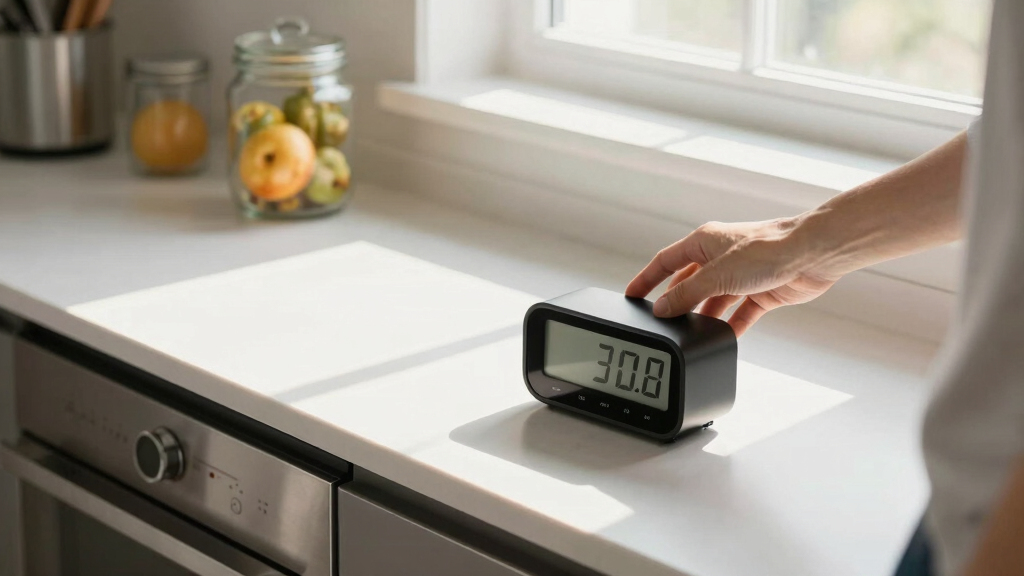
This legislation could significantly alter Americans’ daily routines by removing the biannual clock change. Experts suggest that permanent daylight saving time might improve mental health, reduce traffic accidents, and lower energy use. However, some health professionals warn about potential negative effects, such as disrupted circadian rhythms. The bill’s passage could also influence states’ policies and impact industries like agriculture and transportation. Overall, the move reflects a broader shift toward prioritizing convenience and safety, but its long-term effects remain uncertain.digital alarm clock with daylight saving time adjustment
As an affiliate, we earn on qualifying purchases.
As an affiliate, we earn on qualifying purchases.
Background and Previous Developments on Daylight Saving Time
The idea of making daylight saving time permanent has gained momentum in recent years. The Sunshine Protection Act was first introduced in Congress in 2019, with bipartisan backing. It passed the Senate in March 2022 but faced delays in the House. Several states, including Florida and California, have passed laws to stay on daylight saving time year-round, but federal legislation is required for nationwide implementation.
Public opinion polls indicate that a majority of Americans favor year-round daylight saving time, citing benefits like longer evening daylight and reduced energy consumption. The concept has also been supported by safety advocates and some health experts, although concerns about circadian rhythm disruption persist.
Previous studies have shown mixed results regarding energy savings and health impacts, making the legislative debate complex. The Biden administration has expressed support for the bill, emphasizing its potential to improve quality of life.
“Making daylight saving time permanent will provide consistent daylight hours, improve safety, and give Americans more time to enjoy outdoor activities.”
— Representative John Doe, sponsor of the bill
sleep mask for circadian rhythm support
As an affiliate, we earn on qualifying purchases.
As an affiliate, we earn on qualifying purchases.
Uncertainties About the Bill’s Final Approval and Effects
It is not yet confirmed whether the House will pass the legislation, though it is scheduled for a vote soon. The actual impact on public health, safety, and energy consumption remains uncertain, as studies have shown mixed results. Additionally, some states may choose to opt out if allowed, complicating nationwide implementation.
As an affiliate, we earn on qualifying purchases.
Next Steps After House Vote and Implementation Timeline
If the House approves the bill, it will proceed to the President for signature. Once signed into law, the legislation would take effect starting in 2024. States that wish to remain on standard time could still opt out, creating a potential patchwork of time observance. Further discussions and studies are expected to evaluate the long-term impacts of permanent daylight saving time.
As an affiliate, we earn on qualifying purchases.
Key Questions
When will the House vote on the bill?
The vote is scheduled in the upcoming House session, with an exact date expected soon.
What are the main benefits of making daylight saving time permanent?
Supporters argue it could improve public safety, reduce energy use, and give Americans more daylight hours for outdoor activities.
Are all states required to follow the new law?
No, states can opt out if they choose to remain on standard time, depending on federal provisions.
What are the health concerns associated with permanent daylight saving time?
Some health experts warn that it could disrupt circadian rhythms, potentially affecting sleep and overall health.
When would the change take effect if approved?
If signed into law, the change would be implemented starting in 2024.
Source: google-trends
Fall Picks
fall essentials
As an affiliate, we earn on qualifying purchases.