
TL;DR

Get hardware and tech essentials delivered free with Prime
- Fast, free delivery on millions of items
- Prime Video, Amazon Music and more included
- Member-only deals all year
Hardware wallets store private keys offline, making them a strong defense against hacks. Choosing the right one involves comparing features, security, and backup options. They don’t eliminate all risks but significantly improve safety when used correctly.
You’ve probably heard that keeping your crypto safe is like locking your valuables in a safe. But how do you actually do that? Hardware wallets are the steel vaults in the digital age. They store your private keys securely, away from the prying eyes of hackers and malware.
In this guide, you’ll learn what makes these devices so trusted, how they work, and what pitfalls to watch out for. Whether you’re a seasoned trader or just starting, understanding hardware wallets helps you stay in control of your assets in a world full of digital threats.
Choose hardware wallets with open-source firmware and reputable security audits.
Always verify transaction details on the device’s trusted display—never trust your computer alone.
Keep recovery seeds offline, secure, and never share them with anyone or store digitally in plain form.
Avoid buying from untrusted sources; inspect packaging and initialize the device yourself.
Combine hardware wallets with operational security practices — they’re part of a layered defense.
What exactly is a hardware wallet — and why it’s your crypto’s best friend
A hardware wallet is a small, dedicated device that keeps your private keys isolated from the internet. Unlike exchanges or online wallets, it’s a physical chunk of metal, plastic, or even a sleek card. When you need to sign a transaction, the device does it internally, then sends the signed data out for broadcasting.
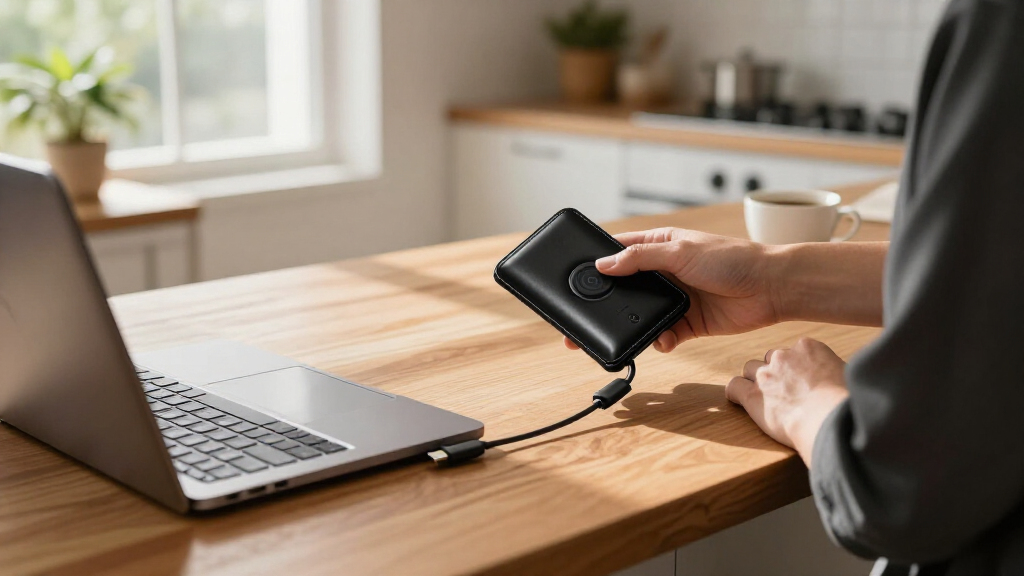
For example, imagine you want to send Bitcoin. You connect your hardware wallet to your computer, verify the details on its screen—like the recipient’s address and amount—and then approve. The private keys never leave the device. It’s like having a high-tech safe that only opens when you confirm your intent.
Why does this matter? Because most hacking happens on the software side—malware, phishing, or malware-laden websites. Hardware wallets cut off those attack vectors, keeping your crypto assets safer than just leaving keys on an internet-connected device.
This core function means that even if your computer is compromised, your private keys remain protected inside the hardware wallet. It acts as a physical barrier, drastically reducing the risk of theft or unauthorized access. The tradeoff, however, is that if you lose the device or it malfunctions without proper backups, access to your assets can be lost forever. Therefore, understanding its role as a secure, isolated vault is vital for effective crypto security.
As an affiliate, we earn on qualifying purchases.
How hardware wallets keep your private keys safe from hackers
Hardware wallets protect your private keys by never exposing them to your computer or smartphone. All signing happens inside the device. Think of it like signing a check with a pen inside a bank vault—your signature (private key) stays locked away.
For example, if malware infects your PC, it might try to steal your keys or alter transaction details. But with a hardware wallet, the malicious software can’t see or access the keys directly. It only relays the transaction details to the device, which then verifies and signs it internally.
This isolation drastically reduces the chance of theft. According to recent studies, hardware wallets prevent over 99% of remote theft attempts that target private keys stored on computers or phones. This high effectiveness stems from the fact that private keys never leave the secure environment inside the device, making remote hacking attacks significantly less feasible. However, this security advantage depends on the device remaining uncompromised and free from tampering during supply or setup. The tradeoff here is that if someone gains physical access and coerces you into revealing your seed or PIN, the hardware wallet can’t prevent that. Still, in terms of remote and digital attacks, hardware wallets are a game-changer, offering a level of security that software solutions alone cannot match.
As an affiliate, we earn on qualifying purchases.
The key features you should check before buying a hardware wallet
Not all hardware wallets are created equal. When shopping, focus on these features:
- Supported cryptocurrencies: Make sure your desired assets are compatible. This ensures you can manage all your holdings in one device, avoiding the hassle of multiple wallets and reducing the risk of user error during transfers.
- Trusted display: A clear, bright screen to verify addresses and transactions. This is critical because it allows you to confirm that transaction details are correct, preventing man-in-the-middle attacks where malicious software might alter data before it reaches you.
- Connectivity options: USB, Bluetooth, NFC, or QR codes? Pick what suits your workflow. For example, Bluetooth adds convenience but can introduce additional attack surfaces if not properly secured. Choosing the right connectivity balances ease of use with security considerations.
- Open-source firmware: Transparency allows independent audits and trust. Open-source code can be reviewed for vulnerabilities, providing peace of mind that no hidden malicious code exists—an important factor for security-conscious users.
- Security elements: Secure chips vs. general-purpose microcontrollers matter. Secure elements are designed to resist tampering and extraction, making it harder for attackers to reverse-engineer or clone the device.
- Recovery options: How easily can you restore your wallet if lost? Reliable backup and recovery procedures are essential because hardware failures or theft happen, and without proper backups, assets could be lost permanently.
For example, a popular model like Ledger Nano X supports over 1,800 assets and offers Bluetooth connectivity. Its open-source firmware and certified secure element make it a solid choice for many users, ensuring broad asset support and enhanced security. Comparing these features side-by-side helps you identify the tradeoffs—such as convenience versus maximum security—and select a device aligned with your specific needs.
As an affiliate, we earn on qualifying purchases.
Picking the right device for your needs — quick decision guide
Choosing a hardware wallet depends on your assets, tech skills, and risk tolerance. Here’s a quick step-by-step process:
- List your assets — which coins, tokens, or smart contracts do you use?
- Decide on security level — do you want multisig support or a simple device? Higher security features like multisignature support allow for advanced control but may require more setup and understanding, suitable for larger holdings or institutional use.
- Set a budget — prices range from around $50 to $200+. Consider the value of your holdings and the security level you need when deciding how much to invest.
- Check compatibility — does it work with your preferred apps and OS? Compatibility ensures seamless integration into your existing workflow, reducing user error and frustration.
- Read reviews and audits — trust a device with independent security reviews. This step helps you gauge real-world reliability and uncover potential vulnerabilities you might not find in marketing materials.
Suppose you’re a Bitcoin enthusiast with a few altcoins. A device like the Ledger Nano S Plus might fit your needs — affordable, supported by a wide ecosystem, and well-reviewed. Ultimately, your choice should balance security, usability, and cost, tailored to your specific crypto profile and operational comfort.
hardware wallet with open-source firmware
As an affiliate, we earn on qualifying purchases.
As an affiliate, we earn on qualifying purchases.
The biggest risks with hardware wallets — and how to avoid them
Hardware wallets are safer, but they’re not invincible. Here are common pitfalls:
- Phishing: Fake websites or support scams asking for recovery seeds. Always verify URLs and don’t share secrets. Phishing can lead to immediate theft if you inadvertently give away your seed or PIN, so vigilance is essential.
- Supply-chain attacks: Buying from untrusted sources or tampered devices. Buy directly from manufacturers or authorized sellers. Tampered devices might have malicious hardware or firmware that compromises security from the outset, making it crucial to buy new, sealed products from trusted vendors.
- Lost backups: Forgetting your seed or losing backups makes recovery impossible. Store backups securely offline, in multiple locations. Without a backup, if the device fails or is destroyed, your assets could be permanently inaccessible—highlighting the importance of careful backup management.
- Firmware updates: Installing malicious updates can compromise the device. Only update via official channels and verify signatures. Firmware is a critical attack vector; malicious updates can introduce backdoors, so always ensure authenticity before installing.
For example, a user bought a secondhand device online. It was already initialized with a seed they didn’t set. That’s risky—only buy new, unopened devices from trusted vendors, and always initialize and set up the device yourself to prevent malicious pre-configuration. Recognizing these risks and understanding their implications helps you develop operational security practices that mitigate potential threats—like verifying sources and maintaining strict backup protocols.
The latest in hardware wallet tech — what’s new and exciting
Recent advances aim to make hardware wallets more user-friendly and secure. For example, some devices now feature:
- Enhanced transaction displays: Clearer smart contract signing and risk alerts. These improvements help users better understand complex transactions and avoid mistakes or scams during signing.
- Multisignature support: More options for collaborative custody. Multisig setups distribute control across multiple devices or parties, significantly reducing single-point failure risks and enhancing security for large or organizational holdings.
- Specialized firmware: Bitcoin-only models that cut down attack surface. These tailored firmware versions reduce vulnerabilities by limiting functionalities to specific assets, minimizing potential exploit vectors.
- Mobile-friendly designs: QR codes, NFC, or Bluetooth for quick access on smartphones. These features improve convenience but require careful security considerations, like verifying transaction details on the device itself rather than relying solely on the mobile interface.
- Open-source hardware: Greater transparency with publicly available designs and audits. Open hardware allows independent security reviews and fosters community trust, often leading to faster detection and patching of vulnerabilities.
For instance, the Ledger Nano X recently introduced improved transaction previews, making complex smart-contract interactions less daunting and reducing user errors. Staying updated on these innovations helps users leverage new features that bolster both security and usability, adapting to the evolving landscape of crypto management.
How to evaluate and compare hardware wallets — your checklist
Here’s a practical checklist to compare devices effectively:
- Supported cryptocurrencies and tokens
- Quality and size of the trusted display
- Connectivity options (USB, Bluetooth, QR, NFC)
- Open-source firmware and hardware transparency
- Security elements used (secure chips vs. general microcontrollers)
- Firmware update process and security
- Backup and recovery options
- Support for passphrases and multisignature setups
- Manufacturer’s reputation and security disclosures
- Third-party reviews and independent audits
- Compatibility with your preferred software and apps
- Price, durability, and ease of use
Matching these factors to your personal needs ensures a safer, smoother experience. For example, if you hold a mix of assets, support for multiple coins and strong backup options are critical. Weighing these considerations helps you avoid pitfalls and select a device that aligns with your security requirements and operational preferences.
Smart safety tips to keep your crypto protected
Even the best hardware wallet isn’t foolproof. Follow these tips:
- Buy directly from the manufacturer or trusted sellers.
- Initialize and set up the device yourself.
- Generate your recovery seed on the device — never online or on a computer.
- Keep the seed offline, in a secure location.
- Test recovery procedures with a small amount first.
- Verify addresses thoroughly on the device screen before confirming.
- Use strong, unique PINs and passphrases.
- Regularly update firmware through official channels.
- Separate long-term holdings from active trading wallets.
- Plan inheritance carefully — don’t leave secrets exposed.
For example, storing your seed in a fireproof, water-resistant metal backup and keeping copies in geographically separated locations can save your assets from natural disasters or theft. Proper operational security practices—like avoiding sharing your seed or PIN, and verifying every transaction—are essential to maintaining your security posture. These steps create layers of defense, making it significantly harder for attackers to compromise your assets even if one layer is breached.
Frequently Asked Questions
Does a hardware wallet actually store cryptocurrency?
No, it stores your private keys, which give you control over your assets on the blockchain. The coins themselves stay on the blockchain; the wallet just protects your keys from theft or exposure.
What happens if the device is lost or destroyed?
Most hardware wallets can be restored using a recovery seed or backup. If you lose the device but keep your seed safe, you can recover your assets on a new device or compatible wallet. Without a backup, the assets could be lost forever.
Can the manufacturer access my funds?
Typically, no. Hardware wallets are designed so that only you control the private keys. However, trust depends on the device’s architecture, firmware security, and the manufacturer’s policies. Always review the technical details before trusting a device.
Can a hardware wallet be hacked?
No device is completely invulnerable, but hardware wallets are built to resist remote attacks and tampering. Phishing, malicious firmware, or physical theft can still pose risks—so operational security remains essential.
Is Bluetooth safe for hardware wallets?
Bluetooth adds convenience but also potential attack vectors. When used properly—verifying transactions on the device’s screen and only connecting to trusted devices—it can be safe. Many users prefer USB or QR options for added security.
Conclusion
Your crypto’s safety hinges on how well you understand and manage your hardware wallet. It’s not just a device—it’s your digital vault. By choosing wisely, verifying every step, and securing your backups, you turn a simple gadget into a fortress.
In the end, the best security is awareness. Keep learning, stay cautious, and treat your private keys like the treasure they are—because they are.
Halloween Picks
halloween
As an affiliate, we earn on qualifying purchases.