In 2025, you’ll notice that more charities are accepting Bitcoin donations, driven by donors seeking fast, secure ways to support causes they care about. Cryptocurrencies are becoming more mainstream, offering tax benefits and transparency through blockchain technology. While regulatory challenges exist, charities are adapting to guarantee compliance, making this an exciting time for crypto philanthropy. Continue exploring to discover how this trend can impact your giving strategies and where to start.
Key Takeaways
- Increased acceptance of cryptocurrencies like Bitcoin boosts charitable donations in 2025.
- Blockchain transparency enhances trust by allowing donors to verify their contributions.
- Evolving regulations require charities to adopt compliant platforms, impacting donation processes.
- Digital assets offer fast, secure transactions with significant tax benefits for donors.
- Charities adopting better transparency and compliance practices see more donor confidence and contributions.

As cryptocurrency continues to gain mainstream acceptance, more donors are turning to digital assets to support causes they care about in 2025. This shift is driven by the appeal of fast, secure transactions and the potential for significant tax benefits. Bitcoin and other cryptocurrencies are now common donation options, giving you new ways to contribute to charities that resonate with your values. But as you explore this landscape, it’s important to understand some of the challenges that come with crypto philanthropy, notably blockchain transparency and regulatory hurdles.
Blockchain transparency is one of the most significant advantages of using digital assets for donations. Every transaction is recorded on a public ledger, allowing you to verify that your donation reaches the intended recipient. This transparency provides reassurance that your contributions aren’t lost or diverted, fostering trust between donors and charities. With blockchain, you can trace the movement of your funds at every step, which is especially valuable if you’re supporting causes where accountability is critical. However, this transparency also exposes certain complexities. Some donors worry about the privacy of their transactions since blockchain records are publicly accessible, even if identities are pseudonymous. This has prompted charities to adopt better transparency practices, ensuring donors feel secure while benefiting from the openness that blockchain provides. Additionally, the use of blockchain can facilitate automated compliance checks, helping charities streamline regulatory adherence.
Blockchain transparency allows donors to verify donations and trace fund movements, fostering trust and accountability in crypto philanthropy.
Despite these advantages, regulatory challenges remain a significant concern. The legal landscape surrounding cryptocurrency donations is evolving, and many regions are still working out how to regulate digital assets effectively. You might encounter uncertainties about tax implications or reporting requirements, making it essential to stay informed about local laws. Some governments are imposing stricter guidelines to prevent money laundering and fraud, which can complicate the donation process. For you, this means that selecting reputable platforms and working with compliant charities is more vital than ever. Nonprofits are increasingly investing in compliance measures to navigate these regulations smoothly, but as a donor, you should verify that your contributions adhere to the legal standards in your jurisdiction.
These regulatory challenges also impact how charities handle crypto donations. They must balance the benefits of blockchain transparency with compliance demands, often requiring additional documentation or verification steps. This process might slow down the donation flow but ultimately protects both you and the organizations involved. As you consider donating in cryptocurrencies, it’s wise to choose charities with experience managing crypto funds and a clear understanding of regulatory frameworks. Doing so ensures your donation supports the cause without unintended legal issues.
In 2025, the combination of blockchain transparency and ongoing regulatory development shapes the future of crypto philanthropy. While the technology offers unprecedented openness and traceability, understanding the regulatory landscape helps you make informed, secure donations. As you navigate this space, staying updated and choosing trustworthy charities will maximize the impact of your digital giving.

All You Need To Know About Bitcoin: A Step By Step Guide To Understanding Bitcoin: Cryptocurrency Bitcoin
As an affiliate, we earn on qualifying purchases.
As an affiliate, we earn on qualifying purchases.
Frequently Asked Questions
How Do Charities Verify the Authenticity of Crypto Donations?
You verify the authenticity of crypto donations by leveraging blockchain transparency, which allows you to trace transactions back to their origin. While donor anonymity is preserved, you can still confirm that the funds were legitimately transferred and not duplicated or stolen. Using secure wallet addresses and blockchain explorers helps guarantee donations are genuine, giving you confidence in each contribution’s legitimacy without compromising donor privacy.
Are There Tax Benefits for Donating Cryptocurrencies in 2025?
Yes, in 2025, you can enjoy tax benefits when donating cryptocurrencies, like a tax deduction for the fair market value of your donation. To maximize these benefits, verify your donation meets legal compliance requirements and is properly documented. This way, you can potentially reduce your taxable income while supporting causes you care about. Always consult a tax professional to confirm specific regulations and optimize your charitable giving strategy.
Which Cryptocurrencies Are Most Popular for Charitable Donations?
You’ll find Bitcoin and Ethereum are the most popular cryptocurrencies for charitable donations because of their blockchain transparency, which reassures donors about fund security. These cryptocurrencies are favored in crypto fundraising strategies, helping charities track donations easily and build trust. By choosing these, you support transparent giving and maximize your impact, knowing your contribution is securely recorded on the blockchain, making your donation both effective and accountable.
How Do Charities Handle the Volatility of Crypto Assets?
Like a ship steering stormy seas, charities manage crypto volatility through strategic crypto wallet management, converting donations promptly to reduce risk. They also enforce strict donor privacy policies, ensuring donor anonymity and security. This approach helps stabilize funds and fosters trust. By actively monitoring market fluctuations and maintaining flexible policies, charities adapt swiftly, safeguarding their mission even amid the unpredictable nature of cryptocurrency values.
What Security Measures Protect Donors’ Crypto Information?
You can safeguard your crypto information through security measures like blockchain transparency, which guarantees all transactions are verifiable and tamper-proof. Additionally, charities prioritize donor privacy by implementing encryption and secure wallets, preventing unauthorized access. Always verify the charity’s security protocols before donating, and consider using reputable platforms that emphasize data protection. These steps help keep your sensitive information safe while supporting causes you care about.
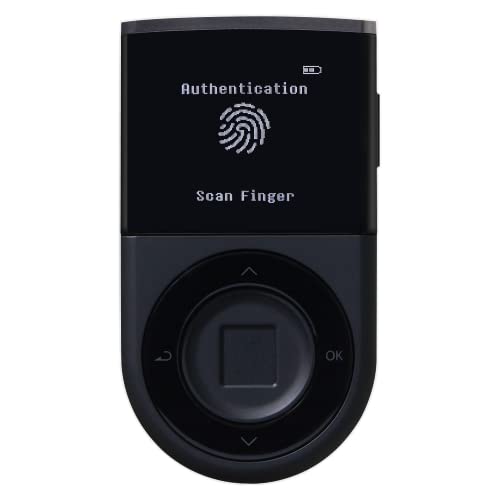
D'CENT Hardware Wallet | Biometric Cold Storage, Bluetooth, Multi-Crypto
- Secure Element with Fingerprint: EAL5+ certified chip with biometric protection
- Supports 4,900+ Assets: Compatible with over 100 blockchains and tokens
- Bluetooth Mobile Management: Tap-to-sign via D'CENT app for easy control
As an affiliate, we earn on qualifying purchases.
As an affiliate, we earn on qualifying purchases.
Conclusion
As you witness crypto giving back, it’s like watching a wildfire of generosity spread across the world. Your donations fuel hope, ignite change, and turn digital coins into beacons of compassion. In this sea of pixels and blockchain, your act of kindness stands as a lighthouse guiding those in darkness toward a brighter dawn. Remember, your contribution isn’t just a transaction—it’s a ripple in the vast ocean of humanity’s shared heart.

Blockchain Beyond Bitcoin: Exploring Innovative Uses of Distributed Ledger Tech (Tech-Powered Business)
As an affiliate, we earn on qualifying purchases.
As an affiliate, we earn on qualifying purchases.
![(Old Version) H&R Block Tax Software Premium 2024 Win/Mac with Refund Bonus Offer (Amazon Exclusive) [PC/Mac Online Code]](https://m.media-amazon.com/images/I/41VMI++aOLL._SL500_.jpg)
(Old Version) H&R Block Tax Software Premium 2024 Win/Mac with Refund Bonus Offer (Amazon Exclusive) [PC/Mac Online Code]
- Refund Bonus Offer: Get 2% bonus on Amazon gift card
- Easy Data Import: Import W-2, 1099, 1098, and previous returns
- Includes State Program: One state download included ($39.95 value)
As an affiliate, we earn on qualifying purchases.
As an affiliate, we earn on qualifying purchases.