
TL;DR

Get hardware and tech essentials delivered free — and shop member deals
- Fast, free delivery on millions of items
- Access to Prime Big Deal Days deals on October 6–7
- Prime Video, Amazon Music and more included
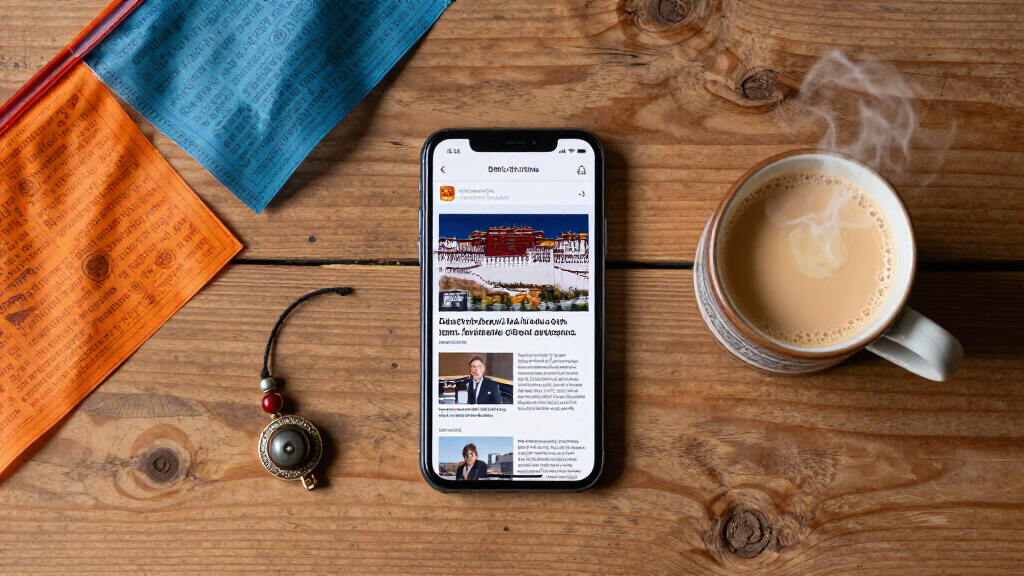
Tibet and Xizang are seeing a sharp rise in global media coverage, with 35 mentions in recent hours—about 23 times higher than usual. The cause of this surge remains unconfirmed, but it indicates heightened international interest in the region.
Global media coverage of Tibet and Xizang has surged dramatically in the past few hours, with reports indicating a spike to 35 mentions, approximately 23 times higher than the baseline. This development has attracted international attention amid limited information about the specific cause of the increase, similar to how regions like the Great Wall area have seen surges in coverage.
According to the data from GDELT, an observatory tracking global media mentions, Tibet and Xizang have been mentioned 35 times within the current window, representing a significant surge compared to their typical coverage levels. For more on regional coverage, see Wenling, Guangdong. The spike is expected to become more prominent in mainstream media within approximately eight hours, suggesting an emerging news trend.
It is important to note that this surge is based on trend signals and does not yet correspond to a confirmed event or official announcement. The trigger behind the increased attention remains unconfirmed, and details are still emerging. Experts suggest that such spikes can be caused by a variety of factors, including diplomatic developments, protests, or international statements, but no specific incident has been officially linked to this surge at this time.
Implications of Increased Media Focus on Tibet and Xizang
This surge in coverage indicates a rising international interest in Tibet and Xizang, regions historically sensitive due to political, cultural, and geopolitical reasons. Increased media attention can influence diplomatic relations, raise awareness about regional issues, or signal upcoming developments that could impact China’s international image. For policymakers, analysts, and human rights organizations, this trend warrants close monitoring, as it may precede significant events or shifts in regional dynamics.
As an affiliate, we earn on qualifying purchases.
Recent Trends and Historical Media Attention to Tibet and Xizang
Historically, Tibet and Xizang have been subjects of sporadic international media focus, often linked to political tensions, protests, or diplomatic statements involving China and other nations. The region’s sensitive status has led to fluctuating levels of global attention, with spikes typically associated with specific incidents or anniversaries. The current surge, however, appears to be driven by trend signals rather than confirmed events, making it a noteworthy anomaly in recent media patterns.
As an affiliate, we earn on qualifying purchases.
Unconfirmed Causes Behind the Media Coverage Spike
At present, the specific reason for the surge in media mentions of Tibet and Xizang remains unconfirmed. No official statements, events, or incidents have been publicly linked to this increase. Analysts emphasize that the trend signal is a predictive indicator rather than confirmation of a particular development, and further information is needed to clarify the cause.
As an affiliate, we earn on qualifying purchases.
Monitoring for Confirmed Developments and Official Statements
The next steps involve tracking mainstream media reports and official communications to determine whether the surge translates into a confirmed event or development. Experts expect that within the next several hours to days, more details will emerge, clarifying whether this is a temporary spike or part of a larger geopolitical or regional issue.
As an affiliate, we earn on qualifying purchases.
Key Questions
What could be causing the surge in media coverage of Tibet and Xizang?
The cause is currently unconfirmed. Possible reasons include diplomatic signals, internal developments, protests, or other regional issues, but no official information has been released.
How significant is a spike like this in media mentions?
Such spikes can indicate increased international interest or emerging developments, but they do not confirm specific events until verified by official sources.
Is this related to recent political tensions involving China?
It is too early to determine if there is a direct link. The surge is based on trend signals, and no confirmed connection to political tensions has been publicly established.
When can we expect more information about this coverage increase?
Monitoring will continue over the next few hours to days. Further details are likely to emerge as media outlets and officials provide more information.
Does this mean there will be an upcoming event in Tibet or Xizang?
Not necessarily. The current trend signal indicates increased attention but does not confirm an upcoming event. Further developments are needed to clarify the situation.
Source: gdelt
Fall Picks
fall essentials
As an affiliate, we earn on qualifying purchases.