You might have heard about Bill Gates' recent investments in Nebraska farmland, totaling over $113 million. This isn't just another philanthropic gesture; it's a calculated move managed through a network of shell companies. Gates is also eyeing the transportation sector for future growth. What do these choices say about his investment philosophy? The implications could be far-reaching, and they might change how we view traditional industries in the tech era.

Get hardware and tech essentials delivered free with Prime
- Fast, free delivery on millions of items
- Prime Video, Amazon Music and more included
- Member-only deals all year
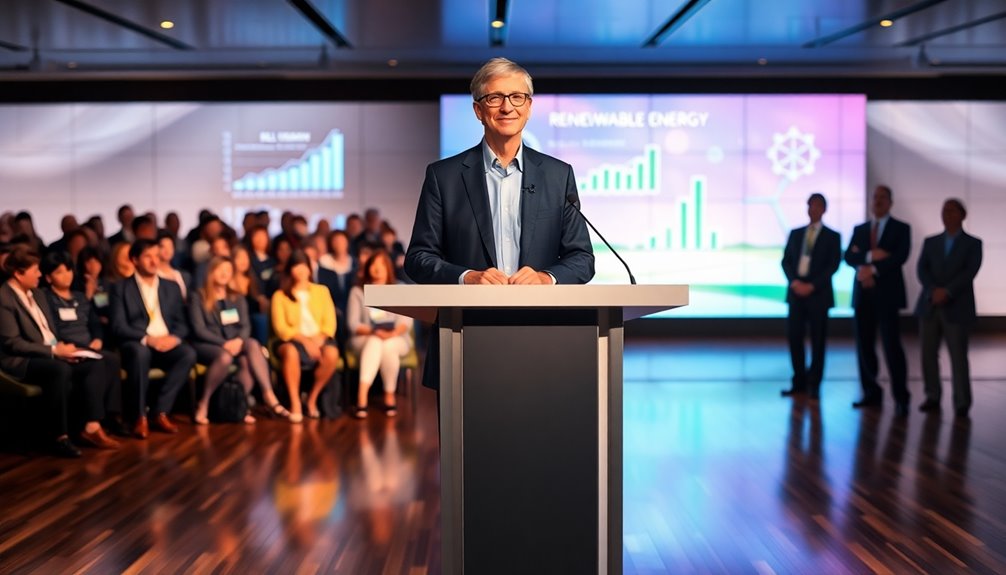
Bill Gates is making headlines again with a series of strategic investments aimed at shaping the future. You might've heard about his significant stake in Nebraska farmland, where he's poured over $113 million since 2017. What's particularly interesting is that he manages these investments through more than 20 shell companies across the U.S. This isn't just a casual investment; it's part of a broader strategy that's surprisingly unconnected to the Bill & Melinda Gates Foundation.
In fact, Gates has even taken out loans totaling $700 million against this farmland, a common tactic among high-net-worth individuals looking to avoid taxable income. It's a smart move that showcases his keen understanding of asset management.
But farmland isn't the only area where Gates is putting his money. He's also heavily invested in transportation companies like Paccar and FedEx, aiming for potential returns in 2025. This aligns with his broader strategy of capitalizing on an anticipated economic boom. The transportation and logistics sector is poised for growth, especially if the economy heats up as predicted. AI agents are expected to join the workforce in 2025, which could further influence the logistics sector.
However, you should also consider the risks involved—market volatility and economic downturns could impact these investments significantly. Unlike many tech moguls diving deep into AI, Gates is focusing on traditional industries, perhaps a sign of his belief in the stability of these sectors.
On another front, Gates has expressed serious concerns about global health. He's warned of a 10-15% chance of another pandemic within the next four years. Given the political divisions and lack of consensus on crucial pandemic preparedness tools, he feels the world remains unprepared.
His foundation is already committing significant funds to vaccine research and global health infrastructure improvements. With climate change and population growth increasing the likelihood of future pandemics, Gates' proactive stance underscores the urgency of these issues.
You can't ignore Gates' predictions about technology and AI either. He, along with other tech leaders, anticipates significant changes in how we use technology and how it affects the workforce by 2025.
There's even a prediction of the first major public protest related to AI within that timeframe. As consumers begin to shift away from distracting technology, they'll likely seek more intentional tech use. This evolution will impact jobs, especially with an increasing emphasis on education beyond high school.
The workforce is changing, prioritizing societal impact alongside financial success, something Gates has long championed.
As an affiliate, we earn on qualifying purchases.
As an affiliate, we earn on qualifying purchases.
As an affiliate, we earn on qualifying purchases.
tax planning for high-net-worth individuals
As an affiliate, we earn on qualifying purchases.
As an affiliate, we earn on qualifying purchases.
Fall Picks
fall essentials
As an affiliate, we earn on qualifying purchases.