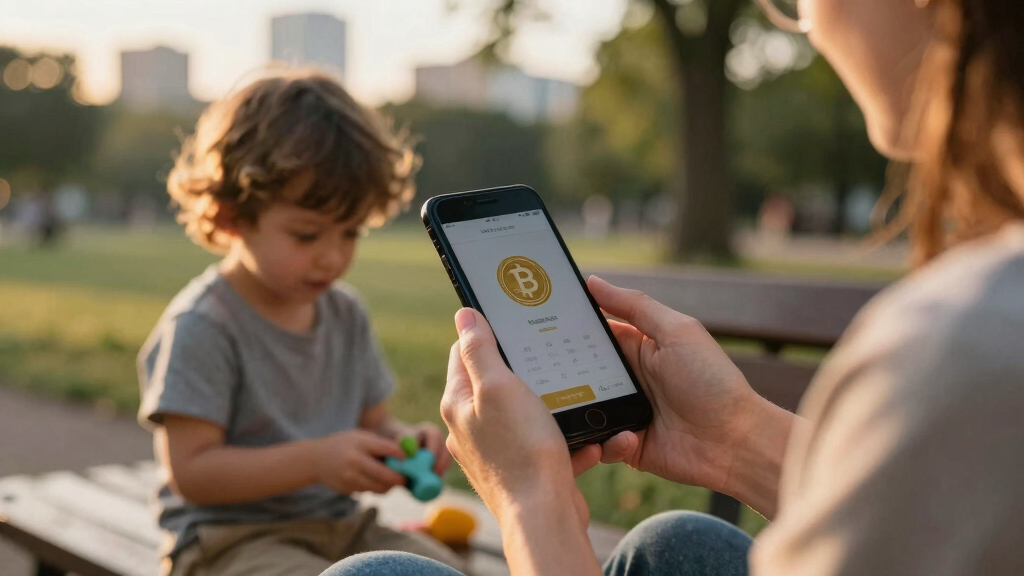

📊 Full opportunity report: Brazil: Pay the Family, Mind the Child on ThorstenMeyerAI.com — validation score, market gap, and execution plan.

Get hardware and tech essentials delivered free — and shop member deals
- Fast, free delivery on millions of items
- Access to Prime Big Deal Days deals on October 6–7
- Prime Video, Amazon Music and more included
TL;DR
Brazil’s Bolsa Família program provides cash to poor families conditional on children’s schooling and health visits. It has significantly reduced poverty but has not eliminated inequality. The program’s design influences global social policy.
Brazil’s government continues to implement and support the Bolsa Família program, a pioneering conditional cash transfer scheme that has lifted millions out of poverty since 2003, despite ongoing debates about its limitations and the country’s persistent inequality.
Bolsa Família was consolidated in 2003 under President Lula, combining earlier social schemes into a program that provides monthly cash payments to poor families conditioned on children’s school attendance and health checkups. It is now one of the largest social programs globally, reaching approximately 46 million Brazilians, or about a quarter of the population. The program’s delivery has been enhanced by the use of Pix, Brazil’s instant payment system, which now reaches 93% of adults, ensuring quick and broad access.
Research indicates that Bolsa Família has played a significant role in reducing inequality and extreme poverty in Brazil. It is credited with contributing to declines in poverty levels and has served as a model for more than 40 countries adopting similar conditional cash transfer schemes. The program operates through the Cadastro Único registry, targeting low-income families, and has set conditions such as school attendance and health visits to promote human capital development.
While effective in alleviating immediate hardship and encouraging investment in children’s education and health, the program’s design also faces criticism. It has not fully addressed the structural roots of inequality, and some families, especially the poorest, sometimes struggle to meet the conditions, risking exclusion or falling off the program.
Pay the Family, Mind the Child
The conditional-cash-transfer pioneer: cash in exchange for human-capital investment. Relieve poverty now, break the cycle for the next generation — the model Brazil gave the world.
- a monthly cash transfer
- targeted via the CadÚnico registry
- delivered via Pix (instant, free)
- children enrolled & attending school
- vaccinations kept current
- regular health checkups
Independent commentary, produced with AI assistance under human editorial oversight. The views are the author’s own and may change. This is analysis, not policy, economic, investment, or legal advice. Descriptions of Bolsa Família and its conditionalities, the Cadastro Único, the BPC benefit, and Pix reflect publicly reported information as of mid-2026 and may change; figures are indicative and several are official or institutional estimates. This phase maps differing approaches and endorses none; characterizations of contested arrangements present competing views, not a verdict. Country, program, and company names are referenced for analysis and imply no affiliation.
Why Bolsa Família’s Continued Relevance Matters
The program’s ongoing implementation is crucial because it demonstrates a successful model of targeted, conditional social assistance that has influenced global policies. Despite its limitations, Bolsa Família remains a key tool in Brazil’s efforts to combat poverty and inequality. Its design also offers insights into how social policy can be both immediate relief and a long-term investment in human capital, making it a reference point for other developing countries seeking scalable solutions.
Brazil Bolsa Família cash transfer program
As an affiliate, we earn on qualifying purchases.
As an affiliate, we earn on qualifying purchases.
Historical and Policy Context of Bolsa Família
Brazil launched Bolsa Família in 2003, consolidating earlier social programs under President Lula’s administration, aiming to break the cycle of intergenerational poverty. The program’s conditionality—requiring children’s school attendance and health checkups—was innovative and influential, inspiring similar schemes worldwide. Over two decades, it has become a cornerstone of Brazil’s social policy, supported by technological innovations like the Pix payment system. However, despite reductions in poverty, Brazil remains highly unequal, with structural issues such as informal employment and limited access to quality education and healthcare persisting.
Recent political debates focus on whether Bolsa Família should be expanded, reformed, or replaced, amid economic pressures and social challenges. The government’s reaffirmation of the program suggests its continued importance, but discussions about its limitations and the potential for more comprehensive reforms are ongoing.
“Bolsa Família remains vital in our fight against poverty, but we recognize the need to address its limitations and ensure it reaches the most vulnerable.”
— Brazilian Social Minister
As an affiliate, we earn on qualifying purchases.
Unresolved Challenges and Program Limitations
It is still unclear how Brazil will reform or expand Bolsa Família amid political debates and economic constraints. Questions remain about whether the program can be made more inclusive, whether conditions will be relaxed or tightened, and how it will adapt to future social and economic challenges. The effectiveness of conditionality in reaching the most vulnerable families continues to be a concern, with some families potentially excluded due to logistical or capacity barriers.
As an affiliate, we earn on qualifying purchases.
Brazil is expected to continue discussions on reforming Bolsa Família, possibly integrating it further with digital payment systems and expanding coverage. Policy debates will likely focus on balancing targeted assistance with broader social reforms to address structural inequality. Monitoring and evaluating the program’s impact will be key, alongside potential legislative or administrative adjustments to improve inclusivity and effectiveness.
family budgeting and financial planning books
As an affiliate, we earn on qualifying purchases.
As an affiliate, we earn on qualifying purchases.
Key Questions
How does Bolsa Família work?
It provides monthly cash payments to low-income families conditioned on children’s school attendance and health checkups, aiming to reduce poverty and promote human capital development.
Has Bolsa Família been effective?
Yes, research attributes significant reductions in poverty and inequality to the program, but it has not eliminated structural disparities in Brazil.
What are the main criticisms of Bolsa Família?
Critics argue that conditions can exclude the poorest families and that the program alone cannot address deep-rooted social inequalities.
Will Brazil reform Bolsa Família?
Discussions are ongoing, with potential reforms focusing on expansion, integration with digital systems, and addressing limitations, but specifics remain uncertain.
Source: ThorstenMeyerAI.com
Fall Picks
fall essentials
As an affiliate, we earn on qualifying purchases.