
TL;DR
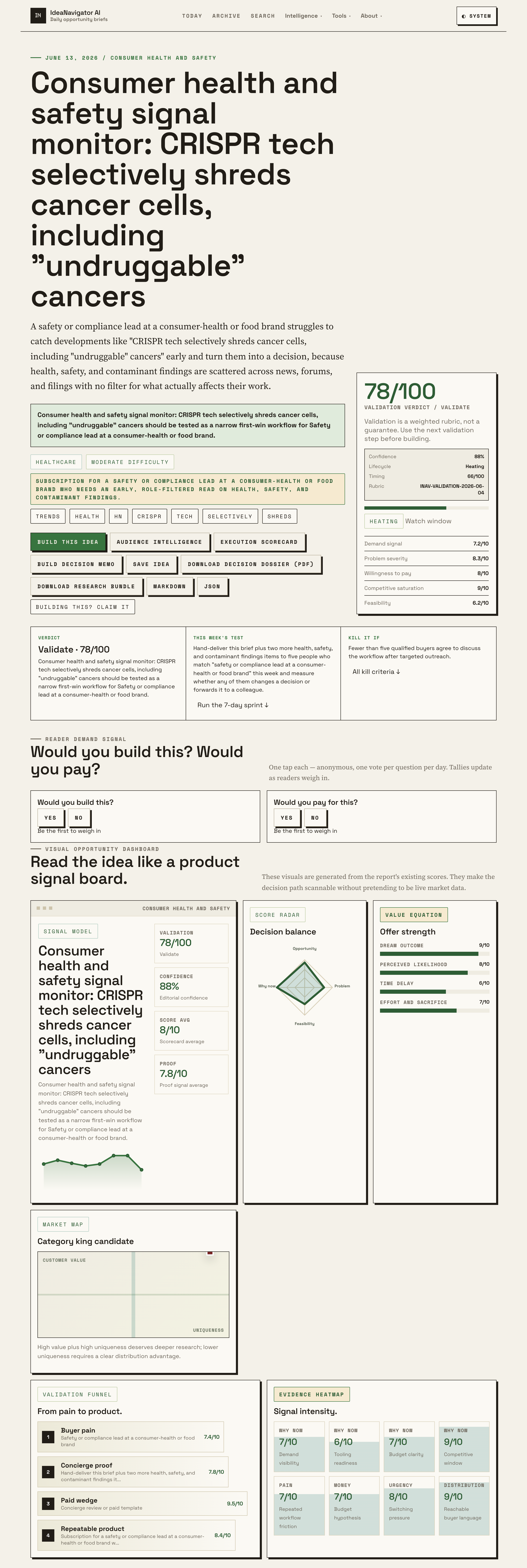
Researchers have demonstrated that CRISPR gene editing can selectively target and destroy resistant cancer cells, including difficult-to-treat ‘undruggable’ cancers. This development could influence future consumer health safety protocols and treatments.
Recent scientific research has confirmed that CRISPR gene editing can selectively destroy resistant cancer cells, including those classified as ‘undruggable.’ This breakthrough, announced in March 2024, highlights a potential new approach to fighting resistant cancers and has implications for consumer health safety and treatment development.

Get hardware and tech essentials delivered free with Prime
- Fast, free delivery on millions of items
- Prime Video, Amazon Music and more included
- Member-only deals all year
Scientists have demonstrated that CRISPR technology can target and shred specific cancer cells that are resistant to traditional treatments, including ‘undruggable’ cancers, which previously lacked effective therapies. The research was published in a peer-reviewed journal and involved laboratory testing on various resistant cancer cell lines.
According to the study, the CRISPR system was engineered to recognize unique genetic markers present on these resistant cells, enabling precise targeting without damaging surrounding healthy tissue. Experts involved in the research emphasized the potential for this technology to be adapted for therapeutic use, pending further testing and safety evaluations.
Health safety regulators and biotech companies are closely watching this development, as it could pave the way for new treatment modalities that might eventually be incorporated into consumer health products or therapies, though widespread clinical use remains in the future.
Potential Impact on Consumer Health and Cancer Treatments
This breakthrough could significantly influence the development of new treatments for resistant cancers, which are often difficult to manage with existing therapies. For consumer health, it signals the possibility of future products or interventions that leverage gene editing to improve health outcomes. However, regulatory and safety evaluations are still needed before such applications can be commercialized.
Products Worth Considering

Apple MacBook Pro 2026 14.2 Laptop with M5 Pro chip, 15‑core CPU, 16‑core GPU, 24 GB Unified Memory, 1 TB SSD, Wi‑Fi 7 – Silver

Logitech MX Master 4 Ergonomic Wireless Mouse with Haptic Feedback, Graphite

LG UltraGear 32-inch Curved QHD Gaming Monitor (2560×1440, 180Hz, 1ms, 1000R, HDR10)
As an affiliate, we earn on qualifying purchases.
Advances in CRISPR and Cancer Resistance
CRISPR gene editing has been a transformative technology in biomedical research, primarily used for genetic modification and disease modeling. Recent efforts have focused on applying CRISPR to cancer therapy, especially targeting resistant and ‘undruggable’ cancer types. Prior to this, most research was limited to laboratory models, with clinical translation still emerging.
The current development builds on earlier preclinical studies that showed CRISPR’s potential to target cancer-specific mutations. While promising, these approaches have yet to undergo extensive safety testing required for human therapies. The recent publication marks a notable milestone in this ongoing effort.
“This demonstrates that CRISPR can be tailored to target even the most resistant cancer cells, opening new avenues for treatment.”
— an anonymous researcher
Uncertainties Surrounding Clinical Application
It is not yet clear when or if this CRISPR approach will be approved for human use. Safety concerns, potential off-target effects, and delivery mechanisms remain significant hurdles. Further preclinical studies and clinical trials are needed to evaluate efficacy and safety comprehensively.
Next Steps in Research and Regulatory Review
Researchers plan to conduct additional preclinical studies to assess safety and optimize delivery methods. Regulatory agencies will need to evaluate these findings before approving human trials. Industry stakeholders are also monitoring developments for potential integration into future therapies or consumer health products.
Key Questions
What makes ‘undruggable’ cancers difficult to treat?
‘Undruggable’ cancers lack specific molecular targets that existing drugs can effectively bind to, making them resistant to conventional therapies.
How does CRISPR selectively target cancer cells?
CRISPR is engineered to recognize unique genetic markers on cancer cells, allowing it to modify or destroy those cells specifically, sparing healthy tissue.
Is this CRISPR technology safe for use in humans yet?
No, the technology is still in experimental stages. Extensive safety testing and clinical trials are required before it can be approved for human treatments.
Could this development impact consumer health products?
Potentially, if proven safe and effective, future therapies or health products might incorporate CRISPR-based approaches for resistant cancer treatment, but this is still years away.
What are the main hurdles before clinical use?
Key challenges include ensuring safety, avoiding off-target effects, developing efficient delivery systems, and obtaining regulatory approval.
Source: IdeaNavigator AI