
TL;DR
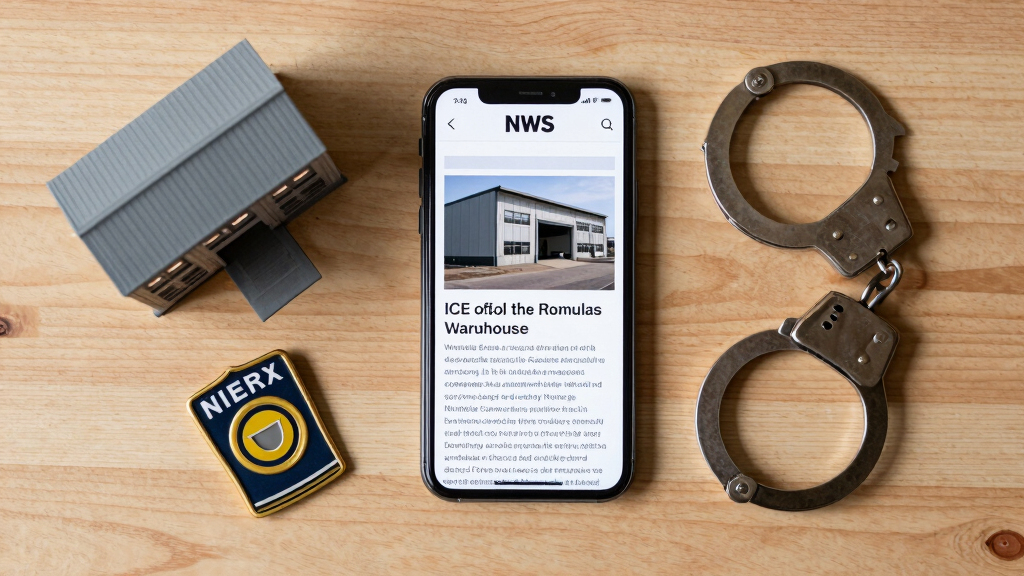
Michigan Attorney General Dana Nessel announced that ICE plans to convert a warehouse in Romulus into a detention center. The move has prompted legal challenges and community opposition. Details about the timeline and scope remain uncertain.
Michigan Attorney General Dana Nessel confirmed that Immigration and Customs Enforcement (ICE) plans to convert a warehouse in Romulus into a detention center, a move that has sparked legal and community opposition.

Get hardware and tech essentials delivered free with Prime
- Fast, free delivery on millions of items
- Prime Video, Amazon Music and more included
- Member-only deals all year
On March 2024, Dana Nessel publicly stated that ICE intends to offload a warehouse located in Romulus, Michigan, with the purpose of establishing a future detention facility. The warehouse, previously used for storage, is being eyed as part of ICE’s broader efforts to expand detention capacity in the region.
Nessel’s office has indicated that the plan is still in the preliminary stages, with no official permits or contracts finalized yet. Local officials and community groups have expressed concern over the potential impact on residents and the legal implications of converting the warehouse into a detention center.
Legal and Community Impacts of the Detention Facility Plan
This development is significant because it signals a potential expansion of detention capacity by ICE in Michigan, which could affect local communities, legal processes, and immigration enforcement policies. The move has already prompted lawsuits and protests, highlighting ongoing tensions over immigration detention practices.
For residents and advocacy groups, the plan raises questions about transparency, community safety, and the rights of detainees, making it a notable issue in regional and national debates on immigration policy.
Products Worth Considering

Apple MacBook Air 13-inch Laptop with M5 Chip, 16GB Memory, 512GB SSD, and 12MP Center Stage Camera – Midnight

LG UltraGear 27G640A-B 27-Inch QHD IPS Gaming Monitor, 300Hz, 1ms, G-SYNC Compatible, FreeSync Premium, DisplayHDR 400, HDMI 2.1, USB-C, Adj

Logitech MX Master 4 for Mac
As an affiliate, we earn on qualifying purchases.
Background on ICE Detention Expansion Efforts in Michigan
ICE has been exploring various sites across Michigan to expand detention capacity amid increased immigration enforcement. The Romulus warehouse is among several locations under consideration, following a pattern of utilizing existing facilities for detention purposes.
Previous legal challenges have targeted ICE detention practices nationwide, with lawsuits alleging violations of detainee rights and concerns over transparency. The Romulus site was identified earlier as a potential site, but details remained undisclosed until Nessel’s announcement.
“This plan threatens our neighborhood’s safety and raises serious questions about transparency and accountability.”
— Local community leader Jane Doe
Unconfirmed Details About Timeline and Scope
It is not yet clear when the warehouse will be officially repurposed or what the full scope of the detention center will be. No permits or formal approvals have been announced, and community response remains uncertain.
Legal challenges are likely, but their outcomes and potential delays are still unknown.
Next Steps in Legal and Community Response
Legal actions from advocacy groups and community organizations are expected to increase, potentially challenging the plan in court. Local officials may also seek further information or attempt to halt the project through administrative channels.
ICE and state authorities are likely to continue planning and may release further details in the coming weeks or months.
Key Questions
Why is this detention center plan controversial?
The plan is controversial because it involves converting a warehouse into a detention facility, raising concerns about community safety, transparency, detainee rights, and the impact on local residents.
Has the plan been approved officially?
No, as of now, the plan remains in the preliminary stage. No permits or formal approvals have been issued, and legal challenges are anticipated.
What legal actions might be taken against this plan?
Advocacy groups and community organizations could file lawsuits citing violations of environmental, safety, or detainee rights laws. Nessel’s office has indicated readiness to pursue legal remedies if necessary.
When could the warehouse be converted into a detention center?
The timeline remains unclear. Planning is ongoing, and no official date has been announced for the conversion or operation of the detention facility.
How does this development fit into broader immigration enforcement efforts?
It reflects ICE’s ongoing efforts to expand detention capacity in Michigan and nationwide, often involving repurposing existing facilities amid debates over detention policies.
Source: google-trends