
TL;DR
While many Americans oppose new data centers due to environmental and infrastructural concerns, recent analysis indicates they can offer economic and infrastructural benefits to local communities. The actual impact varies based on local conditions, and the debate is ongoing.
Recent research and local policy actions indicate that data centers, often viewed negatively, can be beneficial for small towns and large cities by boosting local economies and infrastructure, even as environmental concerns persist.
Data centers, especially hyperscale facilities driven by artificial intelligence demand, have faced widespread opposition in the U.S., with many projects canceled or halted due to public backlash and legislative moratoria. Critics cite environmental impacts such as increased air pollution and higher electricity costs. However, recent analyses show that in regions with strong environmental regulations and clean energy sources, data centers can generate significant economic benefits, including job creation and increased tax revenue. For example, some communities report that data centers boost local wages and reduce property tax burdens, offsetting environmental concerns. Notably, the scale of these benefits and costs varies widely depending on local conditions, infrastructure, and regulatory frameworks.
Why It Matters
This development challenges prevailing narratives that associate data centers solely with environmental harm and economic burdens, suggesting they can be strategic assets for local development. Recognizing these benefits could influence future policy decisions, encouraging communities to weigh economic gains against environmental costs more accurately.

Data Center Cooling Engineering: Data Center Cooling Engineering
As an affiliate, we earn on qualifying purchases.
As an affiliate, we earn on qualifying purchases.
Background
The past four years have seen a surge in data center construction in the U.S., driven by AI and cloud computing demands, with annual investments rising from $15 billion in 2022 to over $35 billion in 2025. Despite this growth, local opposition has increased, with over 20 projects canceled in early 2024 alone, totaling nearly $42 billion in potential investments. Several states, including Maine, are considering or have enacted moratoria, reflecting concerns about environmental and infrastructural impacts. Meanwhile, some experts argue that with proper regulation and siting, data centers can be environmentally responsible and economically beneficial, shifting the debate from outright opposition to nuanced evaluation.
“In regions with strong environmental standards, data centers can be more of an economic asset than a liability.”
— Dr. Laura Chen, environmental economist
“While I support a pause on new data centers, I believe they can be part of our economic future if managed properly.”
— Maine Governor Janet Mills

CyberPower ST425 Standby UPS Battery Backup and Surge Protector
- Power Capacity: 425VA/260W standby UPS
- Output Waveform: Simulated sine wave output
- Outlet Count: 8 NEMA 5-15R outlets
As an affiliate, we earn on qualifying purchases.
As an affiliate, we earn on qualifying purchases.
What Remains Unclear
It remains unclear how widespread the economic benefits are across different regions, especially where environmental regulations are weaker or energy sources are less clean. Long-term environmental impacts and community acceptance also vary and are still being studied.
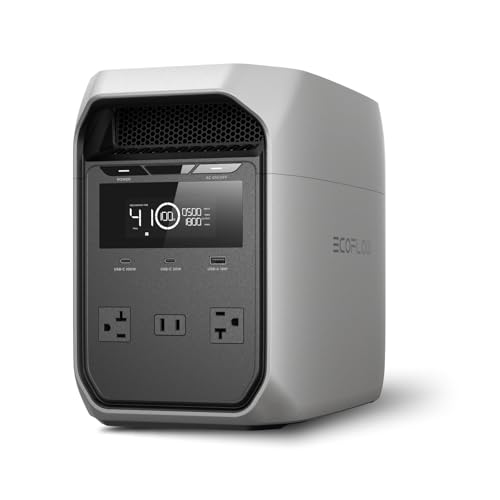
EF ECOFLOW Portable Power Station Delta 3 Classic, 1024Wh 1800W AC
- Power Output: 1800W (3600W surge) with X-Boost
- Power Expansion: Expandable up to 2600W
- Fast Charging: 0-80% in 45 minutes
As an affiliate, we earn on qualifying purchases.
As an affiliate, we earn on qualifying purchases.
What’s Next
Next steps include ongoing policy debates at the state and local levels, further research into environmental and economic impacts, and potential pilot projects demonstrating responsible data center siting and operation. Monitoring these developments will clarify best practices for maximizing benefits while minimizing harms.
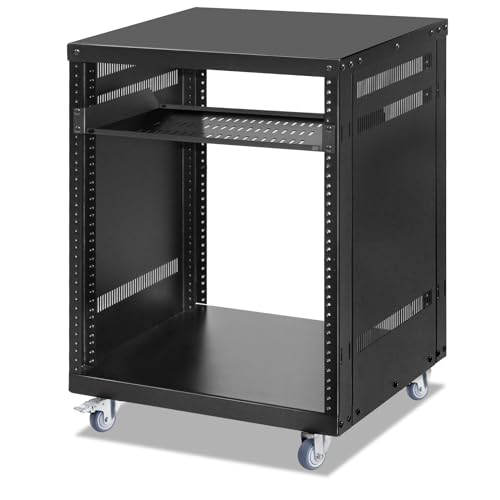
12U Rack with Caster Wheels, Heavy-Duty AV Rack with Adjustable Steel Shelf, Open Frame Server Rack for IT, AV, Data & Computer Equipment, 500lb Capacity, 19.7" W x 17.7" D x 26.8" H
- Industrial-Grade Mobility: Heavy-duty cabinet with lockable and swivel casters
- Optimized Airflow Design: Open-frame with 360° ventilation for heat reduction
- Unmatched Flexibility: Adjustable-height shelf for various equipment
As an affiliate, we earn on qualifying purchases.
As an affiliate, we earn on qualifying purchases.
Key Questions
Can data centers be environmentally friendly?
Yes, especially when sited in regions with abundant renewable energy sources and under strict environmental regulations, data centers can operate with minimal pollution.
What economic benefits do data centers bring to local communities?
They can create jobs, increase local tax revenues, and boost wages, helping to support community infrastructure and services.
Are all data centers equally beneficial?
No, benefits depend heavily on local conditions, including energy sources, infrastructure, and regulatory frameworks.
Why are many projects being canceled or halted?
Public opposition, environmental concerns, and legislative moratoria are driving cancellations, often fueled by fears over pollution and resource use.