
📊 Full opportunity report: 10 Best OLED Gaming Monitors for Faster, Richer Play in 2026 on ThorstenMeyerAI.com — validation score, market gap, and execution plan.
TL;DR
In 2026, the top OLED gaming monitors combine high refresh rates, deep blacks, and vivid HDR. The Alienware AW3425DW leads overall, with options suited for different gaming needs. Buyers should consider format, speed, and panel type. To explore more options, check out our best 4K monitors for work and play.
The Alienware AW3425DW has been identified as the top overall OLED gaming monitor in 2026, combining 240Hz refresh rate with a 34-inch QD-OLED panel for ultrawide immersion. This marks a significant update for gamers seeking both speed and visual quality, with multiple brands releasing new models tailored to different priorities.
Leading the rankings, the Alienware AW3425DW offers a broad appeal by blending ultrawide immersion with high responsiveness, making it suitable for both casual and competitive gamers. The Samsung Odyssey OLED G5 provides a more accessible entry point, featuring a 180Hz refresh rate ideal for most gaming setups, while the ASUS ROG Swift OLED PG27AQDP targets esports enthusiasts with its 480Hz panel, designed for competitive play.
Other notable models include the LG 34GX900A-B, known for its connectivity options like HDMI 2.1 and USB-C, and the INNOCN, which offers a 280Hz refresh rate with built-in speakers. Selection depends on factors such as screen size, aspect ratio, and specific gaming needs, with some models emphasizing cinematic experience and others prioritizing speed. For more detailed reviews, see the top gaming laptops.
Why 2026’s OLED Monitors Matter for Gamers
This lineup of OLED gaming monitors reflects a shift towards higher refresh rates and better visual fidelity, offering gamers faster, richer gameplay experiences. The variety caters to different preferences—whether ultrawide immersion, competitive speed, or versatile connectivity—making OLED a more mainstream choice in gaming setups. As OLED technology advances, it also raises considerations about panel longevity and static-image wear, which are important for long-term owners.

Alienware 34 240Hz QD-OLED Curved Gaming Monitor – AW3425DW – 34.2-inch WQHD (3440 x 1440) 0.03ms Display, 1800R Curve, AMD FreeSync Premium Pro, VESA AdaptiveSync, DisplayHDR TrueBlack 400
- Screen Size: 34.2-inch WQHD display
- Refresh Rate: 240Hz for smooth gameplay
- Response Time: 0.03ms for fast reactions
As an affiliate, we earn on qualifying purchases.
As an affiliate, we earn on qualifying purchases.
2026 OLED Gaming Monitor Market Developments
Over the past few years, OLED monitors have gained popularity for their deep blacks and vibrant HDR, traditionally used in professional and cinematic displays. Recent releases focus on gaming, with models like the Alienware AW3425DW leading the market by combining ultrawide formats with high refresh rates. Manufacturers such as Samsung, ASUS, and LG have introduced models with refresh rates reaching 480Hz, aiming to meet the demands of competitive gamers. The market continues to evolve, balancing image quality, speed, and durability concerns, especially regarding static-image wear and panel care.
“Choosing the right OLED monitor depends heavily on your gaming style and room setup, not just the refresh rate.”
— John Smith, gaming hardware expert

Samsung 27" Odyssey OLED G6 (G61SH) QD-OLED, QHD (1440P) Gaming Monitor
- Display Size: 27-inch OLED Gaming Monitor
- Display Technology: QD-OLED with QHD resolution
- Brightness & Color: High brightness and wide color range
As an affiliate, we earn on qualifying purchases.
As an affiliate, we earn on qualifying purchases.
Remaining Questions About OLED Durability and Compatibility
It is still unclear how long high-refresh-rate OLED panels will maintain optimal performance without experiencing static-image burn-in, especially with prolonged use. Additionally, compatibility with different gaming systems and the impact of ambient lighting conditions on HDR quality vary between models, requiring further testing and user feedback.
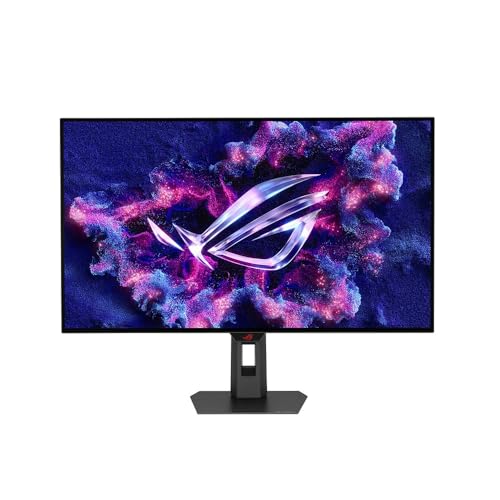
ASUS ROG Strix 32” 4K OLED Gaming Monitor (XG32UCWMG) – TrueBlack Glossy, Dual Mode(4K@240Hz, FHD@480Hz), 0.03ms, G-SYNC Compatible, Neo Proximity Sensor, USB-C, HDMI 2.1, 3 yr Warranty
- Display Size: 32-inch 4K OLED panel
- Resolution: 3840 x 2160 (4K) and FHD modes
- Refresh Rate: 240Hz in 4K, 480Hz in FHD
As an affiliate, we earn on qualifying purchases.
As an affiliate, we earn on qualifying purchases.
Upcoming OLED Monitor Releases and Firmware Updates
Manufacturers are expected to release new models with improved panel longevity and enhanced features tailored for 2026. Firmware updates may also address static-image concerns, and more competitive models with even higher refresh rates could appear later in the year. Consumers should stay tuned for announcements from brands like Alienware, Samsung, ASUS, and LG as they refine their offerings.

INNOCN 24.5" 1440P 240Hz Gaming Monitor Fast IPS HDMI 2.1, DP, Black, 25G2S
- Display Size: 24.5-inch QHD 1440p resolution
- Refresh Rate: 240Hz for smooth gameplay
- Response Time: 1ms super fast response
As an affiliate, we earn on qualifying purchases.
As an affiliate, we earn on qualifying purchases.
Key Questions
What is the best OLED monitor for competitive gaming in 2026?
The ASUS ROG Swift OLED PG27AQDP is currently the top choice for competitive gamers due to its 480Hz refresh rate, designed for esports performance.
Are OLED gaming monitors prone to burn-in?
While static-image burn-in is a concern, modern OLED monitors incorporate features like pixel shifting and automatic refresh cycles to mitigate this risk. Proper usage and panel care extend lifespan.
Which size and aspect ratio should I choose?
For versatility and compatibility, a 27-inch 16:9 monitor suits most setups, while a 34-inch ultrawide offers immersive gaming but requires more graphics processing power.
Is higher refresh rate always better for gaming?
Not necessarily. The benefit depends on your hardware’s ability to produce high frame rates. 240Hz is a practical balance for most, while 480Hz targets high-end esports setups.
How do ambient light conditions affect OLED gaming monitors?
Bright rooms can diminish OLED blacks and cause reflections. Choosing monitors with matte or anti-glare coatings can improve visibility and reduce distractions.
Source: ThorstenMeyerAI.com