
🔍 Read the full analysis: 9 Best Camera Lenses In 2026 on ThorstenMeyerAI.com
Get ready for Prime Big Deal Days — try Prime free
Exclusive member deals on October 6–7, plus fast free delivery. Cancel anytime.
Start your free trialAs an affiliate, we earn on qualifying purchases.
TL;DR
In 2026, the camera lens market features a diverse lineup of nine top picks, from versatile zooms to specialized telephotos. This guide highlights the best options for different needs, based on performance, value, and compatibility.
The year 2026 sees a broad selection of high-performance camera lenses, with nine standout options that cater to a wide range of photographers. For a detailed review, see the original analysis. From professional-grade zooms to affordable primes, these lenses reflect the latest advancements and market trends. You can explore the top camera lenses in 2026 for more insights. This guide provides an in-depth look at each lens, explaining why they are considered the best choices for different shooting scenarios and budgets.
The top nine lenses include models from major brands like Canon, Nikon, Sony, and Sigma, each excelling in specific categories. The Canon RF24-70mm F2.8L IS USM remains the top overall choice for its combination of versatility, image quality, and stabilization, suitable for both professionals and enthusiasts. The Canon RF50mm F1.8 STM continues to be a favorite for hobbyists due to its affordability and excellent sharpness. Specialized telephoto options such as the Canon RF100-500mm F4.5-7.1 are preferred for wildlife photography, despite their higher price and size.
Market trends indicate that lenses with wide apertures and advanced stabilization are highly sought after, especially for low-light and handheld shooting. Pricing varies widely, with premium lenses offering broader focal ranges and better build quality, while value options deliver impressive results at lower costs. For tips on choosing the right lens, visit this guide. Compatibility remains crucial; full-frame and APS-C lenses are not interchangeable, and choosing the right mount is essential for optimal performance. The selection process for these nine lenses considered performance, versatility, durability, and value, ensuring a balanced lineup for different user needs.
The 9 picks
- 1
 Canon RF100-500mm F4.5-7.1 L IS USM Lens, Super-Telephoto Zoom for EOS R Seri…View on Amazon →
 - 2
 Canon RF 24-70mm F2.8L IS USM Lens for Canon EOS R Series Mirrorless CamerasView on Amazon →
 - 3
 Canon RF 100-400mm F5.6-8 IS USM Telephoto Lens for EOS R SeriesView on Amazon →
 - 4
 Tamron 17-70mm f/2.8 Di III-A VC RXD Lens for Sony E APS-C Mirrorless CamerasView on Amazon →
 - 5
 Canon RF 75-300mm F4-5.6 Telephoto Zoom Lens for EOS R SeriesView on Amazon →
 - 6
 Canon RF 50mm F1.8 STM Lens for EOS R Series Mirrorless CamerasView on Amazon →
 - 7
 Canon EF 50mm f/1.8 STM Lens for Canon EOS DSLR CamerasView on Amazon →
 - 8
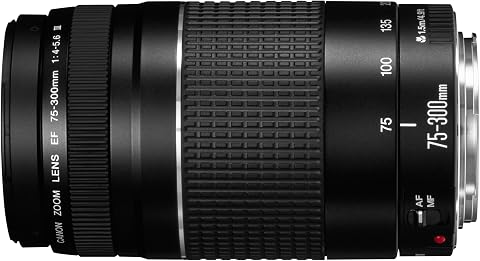 Canon EF 75-300mm f/4-5.6 III Telephoto Zoom LensView on Amazon →
 - 9
 Canon EF 75-300mm f/4-5.6 III Telephoto Zoom Lens for Canon SLR Cameras (Rene…View on Amazon →
Why the 2026 Lens Lineup Matters for Photographers
The 2026 selection of top camera lenses underscores the ongoing technological advancements in optical design and stabilization, making high-quality photography more accessible. These lenses influence how photographers capture moments across genres—from portraits to wildlife—by offering improved sharpness, low-light performance, and durability. For professionals, choosing the right lens can significantly impact workflow efficiency and image quality, while hobbyists benefit from affordable options that do not compromise on performance. Staying informed about these top picks helps photographers make better investment decisions and adapt to evolving market innovations.
Market Trends and Developments Leading to 2026 Lens Choices
Over the past few years, the camera lens industry has seen rapid innovation driven by advancements in optical materials, stabilization technology, and autofocus systems. Manufacturers like Canon, Nikon, Sony, and Sigma have released new models that emphasize versatility, lightweight design, and improved low-light capabilities. The proliferation of mirrorless camera systems has also shifted focus toward compact, high-performance lenses tailored for these formats. Market demand continues to favor lenses that combine high optical quality with affordability, prompting a broader range of options for both professionals and amateurs. The 2026 lineup reflects these trends, showcasing models that meet the diverse needs of modern photographers.
Remaining Questions About Long-Term Durability and Compatibility
While these nine lenses are highly rated in 2026, questions remain regarding their long-term durability, especially under intensive professional use. Additionally, compatibility issues between different camera mounts and future sensor developments could influence their usability. It is also not yet clear how upcoming technological shifts, such as new sensor sizes or AI-driven autofocus, may impact these models’ relevance in the coming years.
Upcoming Releases and Industry Trends to Watch in 2026
Manufacturers are expected to continue refining lens technology, with future models likely to feature enhanced stabilization, faster autofocus, and greater weight reduction. Announcements of new lenses tailored for emerging camera systems are anticipated throughout 2026, potentially shifting the rankings. Photographers should stay alert to these developments, as they may introduce new options that better suit evolving creative needs and technological standards.
Key Questions
What criteria were used to select the top nine lenses?
The selection was based on performance, versatility, build quality, autofocus speed, stabilization, value for money, and compatibility with popular camera systems. Expert reviews and market trends also influenced the rankings.
Are these lenses suitable for amateur photographers?
Yes, many of the lenses listed, such as the Canon RF50mm F1.8 STM, are affordable and easy to use, making them ideal for hobbyists and beginners. Professional-grade lenses offer more advanced features but are also accessible to serious amateurs.
Will these lenses work with older camera models?
Compatibility depends on the mount type and sensor size. Most newer lenses are designed for mirrorless systems and may require adapters for older DSLR cameras. Always check the lens specifications to ensure compatibility.
How do I choose between a zoom and a prime lens?
Zoom lenses offer flexibility across focal lengths, ideal for dynamic shooting scenarios, while prime lenses typically provide sharper images and wider apertures, which are better for low-light and portrait work. Your choice depends on your shooting style and needs.
Are high-end lenses worth the investment for hobbyists?
High-end lenses offer superior optical quality, durability, and advanced features, which can benefit serious hobbyists. However, many affordable lenses still deliver excellent results for casual photographers, so consider your specific needs and budget.
Source: ThorstenMeyerAI.com
NFL season / tailgating Picks
team gear
As an affiliate, we earn on qualifying purchases.