📊 Full opportunity report: Could A TRT Tracker Help Organize Your Health Notes? on IdeaNavigator AI — validation score, market gap, and execution plan.

Get hardware and tech essentials delivered free — and shop member deals
- Fast, free delivery on millions of items
- Access to Prime Big Deal Days deals on October 6–7
- Prime Video, Amazon Music and more included
TL;DR
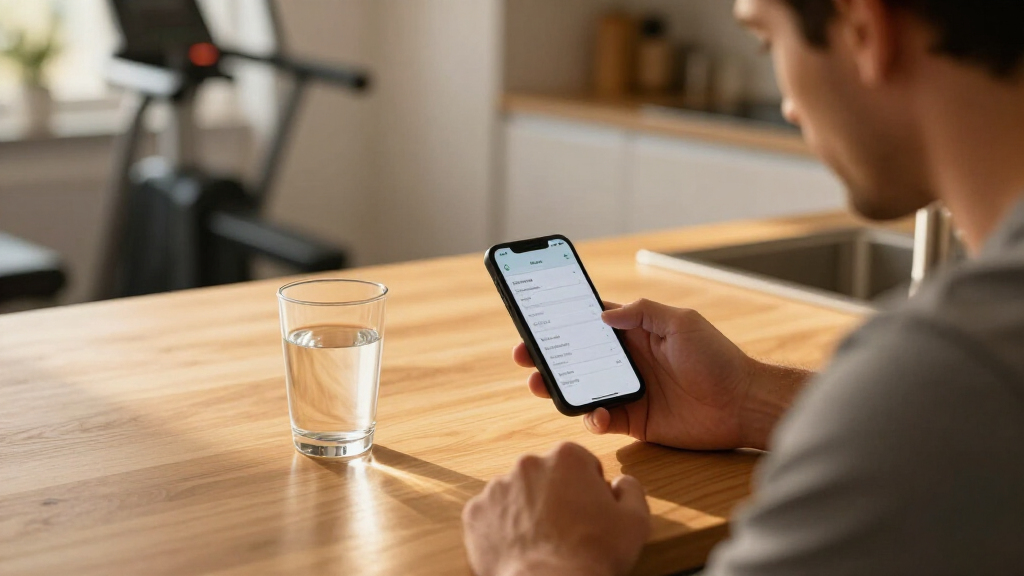
A product proposal outlines a tracker for men receiving testosterone replacement therapy, combining lab results, dose changes and daily symptom notes. The concept has not been shown to be built or tested; its proposed eight-week trial would assess lab imports and user retention.
IdeaNavigator AI has proposed testing a health tracker for men receiving testosterone replacement therapy, designed to bring lab results, dose changes and symptom check-ins together in one record. The proposal describes a product concept and a possible validation study; it does not report that an app has launched, that a trial has begun or that clinical benefits have been established.
According to the IdeaNavigator AI proposal, the proposed minimum product would let users import lab PDFs and chart hormone-panel results over time alongside dose changes and daily symptom notes. It would also prepare trend summaries for clinic visits and flag results that move outside target ranges. The proposal does not specify which laboratory values or target ranges the app would use, or who would set them.
The intended user is a man managing TRT labs and dosing. IdeaNavigator AI describes a record-keeping problem: information may be spread across clinic portals, PDF files and personal memory, while symptoms are recorded separately from hormone levels. The proposal argues that a combined timeline could make those records easier to review. That is a product rationale, not evidence that current care routinely leads to protocol changes based on symptoms alone.
For validation, the proposal calls for recruiting 300 TRT users through hormone-therapy communities and tracking lab-import rates and weekly check-in retention for eight weeks. It offers no results, recruitment status or detailed study protocol. Suggested revenue would come from consumer subscriptions and a separate clinic-partnership tier with patient-monitoring dashboards.
If developed and tested, a single timeline could help patients gather records that are otherwise spread across portals, PDFs and personal notes. A concise summary may also give a patient and clinician a clearer starting point for discussing how lab results, dose changes and reported symptoms relate over time.
The proposal does not establish that charts or automated flags would improve treatment decisions. Target ranges and interpretation can depend on clinical context, and the concept does not say whether clinicians would review the summaries or how the app would handle concerning results. Any monitoring feature would need clear limits so users do not mistake a notification for a diagnosis or treatment recommendation.
The proposed clinic tier also raises a practical question: whether clinics would adopt a separate dashboard and how patient information would move between the app and existing records. Those details could shape the product as much as its tracking features.
From Fragmented Notes to One Timeline
The proposal is framed for people already receiving TRT, rather than as a general men’s health app. Its central product choice is to connect three kinds of information: lab measurements, dose changes and symptom reports. The app would not itself be described as prescribing treatment.
IdeaNavigator AI says rising TRT prescriptions and telehealth clinics have created a larger self-managing patient population, with care distributed across providers. The material provides no figures or dates to quantify that growth, so its scale and trend cannot be assessed from the proposal alone.
The suggested eight-week validation would focus on whether users import lab reports and continue weekly check-ins. Those measures could indicate basic engagement, but they would not by themselves show that the tracker improves clinical outcomes, makes care safer or reduces work for clinics.
Clinical Use and Demand Untested
No product launch, completed study or user results are reported. The proposal does not identify a developer, clinic partner, launch timetable or evidence that 300 participants have been recruited. It also does not provide subscription prices or estimates of market size.
Several product and safety questions remain open: which lab measures would be supported, how target ranges would be determined, how often results would be reviewed, and what a user should do when a value is flagged. The proposal does not explain privacy protections, data retention, medical oversight or how uploaded records would be checked for errors.
It is also unclear whether symptom check-ins would use a standardized scale, how dose changes would be entered, or whether clinicians could confirm those details. Without those methods, charts may combine records that differ in timing or completeness. The proposed retention study would not settle whether the tool changes care or health outcomes.
A Trial Would Test Engagement
The next step set out in the proposal is an eight-week test with 300 TRT users, measuring lab-import rates and weekly check-in retention. No start date or recruitment announcement is given. If such a test proceeds, its results would show whether participants use the basic workflow, while further research would be needed to assess clinical usefulness and safety.
Before clinics or patients could rely on the app, developers would need to explain how lab ranges and alerts are handled, how information is protected, and what role clinicians play. The proposal leaves those decisions unresolved.
Key Questions
Has a TRT tracking app been launched?
The proposal does not report a launch. It describes an app concept and a possible validation study.
What would the proposed tracker record?
It would combine lab PDFs, hormone-panel trends, dose changes and daily symptom check-ins, then prepare summaries for clinic visits.
Has the proposed 300-person study started?
No recruitment status or trial date is provided. The 300-person, eight-week test is a suggested validation plan.
Would the app determine TRT treatment changes?
The proposal describes tracking and flags, not a prescribing function. It does not specify how alerts would be interpreted or whether clinicians would review them.
Source: IdeaNavigator AI
Fall Picks
fall essentials
As an affiliate, we earn on qualifying purchases.