
TL;DR
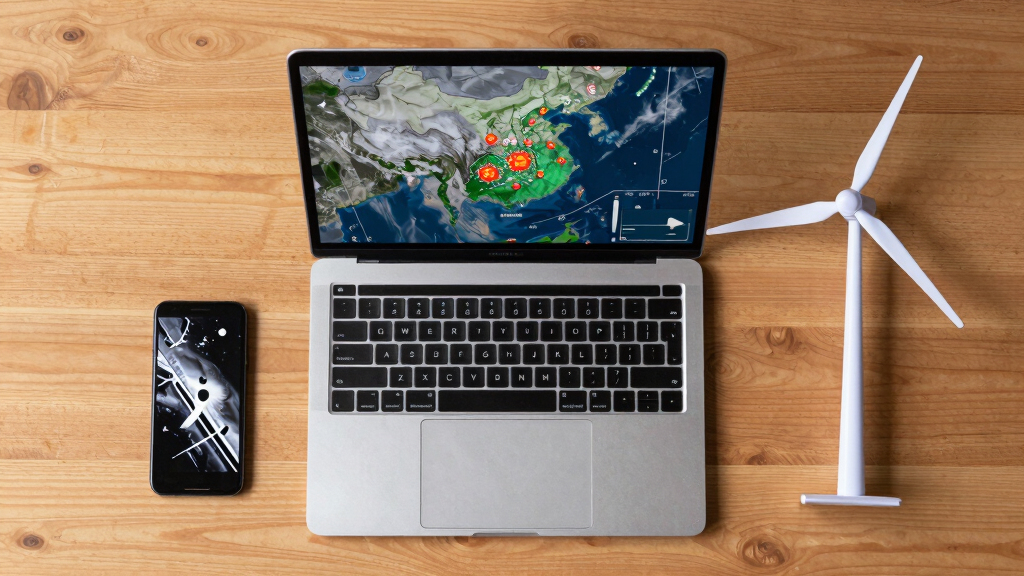
Typhoon Bavi has recently struck Guam and the US Northern Marianas, causing damage. It is now projected to head toward Taiwan and China, prompting warnings and preparations. The situation remains dynamic.
Typhoon Bavi is currently tracking toward Taiwan and China after having recently caused damage in Guam and the US Northern Marianas. The storm’s projected path has prompted warnings from authorities in Taiwan and China, as officials prepare for potential impact. This development is significant due to the storm’s recent intensity and the vulnerability of the affected regions.
According to the Japan Meteorological Agency and the Joint Typhoon Warning Center, Typhoon Bavi made landfall in Guam and the Northern Marianas over the past 24 hours, bringing heavy rains and strong winds. The storm has since maintained its strength as it moves westward at approximately 15 km/h, with maximum sustained winds of 150 km/h, classifying it as a Category 2 typhoon.
Forecast models from the Central Weather Bureau of Taiwan and Chinese meteorological agencies indicate that Bavi is expected to pass near Taiwan’s eastern coast and southern China in the next 24 to 48 hours, although exact landfall points remain uncertain. Authorities in Taiwan and China have issued warnings and are mobilizing emergency response teams and resources.
Impacts on Regional Safety and Preparedness Efforts
This typhoon’s trajectory and strength highlight the ongoing risks posed by severe weather systems in the Western Pacific. The storm’s approach underscores the importance of timely warnings and preparedness measures in Taiwan and China, especially given the recent damage in Guam and the Northern Marianas. The situation also raises concerns about potential disruptions to shipping, aviation, and local communities.

FosPower NOAA Emergency Weather Radio A1 7400mWh Portable Power Bank, AM/FM, USB/Solar/Hand Crank Charging, Battery Operated, SOS Alarm & Flashlight for Indoor/Outdoor Emergency – Orange
- Power Bank Capacity: 7400mWh (2000mAh) portable power
- Multiple Charging Options: Crank, solar, USB, and batteries
- Built-in Lighting: LED reading light and flashlight
As an affiliate, we earn on qualifying purchases.
As an affiliate, we earn on qualifying purchases.
Recent Storm Activity and Regional Vulnerability
Typhoon Bavi is part of the active Pacific typhoon season, which has seen several storms impacting the region this year. Guam and the Northern Marianas, which experienced heavy rainfall and wind damage, are frequently affected by such systems, with recent storms prompting evacuations and emergency responses. Historically, similar typhoons have caused significant damage in Taiwan and coastal China, leading authorities to maintain high alert levels during peak storm seasons.
“We are closely monitoring Typhoon Bavi and advise residents in vulnerable areas to stay alert and follow official guidance.”
— Taiwan Central Weather Bureau
FosPower NOAA Emergency Weather Radio A1 7400mWh Portable Power Bank, AM/FM, USB/Solar/Hand Crank Charging, Battery Operated, SOS Alarm & Flashlight for Indoor/Outdoor Emergency – Orange
- Power Bank Capacity: 7400mWh (2000mAh) portable power
- Multiple Charging Options: Crank, solar, USB, and batteries
- Built-in Lighting: LED reading light and flashlight
As an affiliate, we earn on qualifying purchases.
As an affiliate, we earn on qualifying purchases.
Forecast Accuracy and Potential Impact Scope
While models predict Bavi’s approach to Taiwan and China, exact landfall locations and intensities remain uncertain due to the storm’s changing dynamics and forecast limitations. Authorities continue to update warnings as new data becomes available.

BESTSUN LED Flashlight 2 Pack, Small Flashlights Powerful High Lumens 5 Modes, Waterproof Zoomable Mini Tactical Flash Light for Home Emergencies Camping
- Bright 5 Modes: High, Medium, Low, Strobe, SOS
- Adjustable Focus: Rotate to switch between spot and flood
- Waterproof & Durable: Aluminum alloy construction, abrasion resistant
As an affiliate, we earn on qualifying purchases.
As an affiliate, we earn on qualifying purchases.
Monitoring and Emergency Preparedness in Affected Regions
Authorities in Taiwan and China will continue to track Typhoon Bavi closely, issuing updated warnings and guidance. Emergency response teams remain on standby, and residents are advised to stay informed through official channels. The storm’s trajectory will become clearer over the next 24 hours, determining the precise impact.
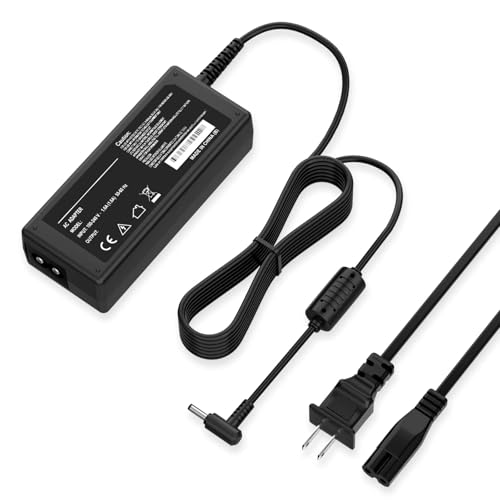
Jantoy Replacement 12V AC Adapter Compatible with Yuneec Typhoon H Hexacopter Battery Charger SC4000-4 YUNTYHFSPO90 Power Supply Cord
- Compatibility: For Yuneec Typhoon H Hexacopter
- Power Output: 12V AC Power Supply
- Protection Features: Over current, over voltage, short circuit protection
As an affiliate, we earn on qualifying purchases.
As an affiliate, we earn on qualifying purchases.
Key Questions
What areas are most at risk from Typhoon Bavi?
Regions in eastern Taiwan and southern coastal China are most at risk if the storm makes landfall or passes nearby, according to current forecasts.
How strong is Typhoon Bavi compared to previous storms?
Bavi is currently classified as a Category 2 typhoon with sustained winds of 150 km/h, but its strength could change as it approaches land.
What precautions should residents take?
Residents should follow official advisories, prepare emergency supplies, secure property, and stay indoors during the storm if advised.
Could Bavi cause disruptions beyond Taiwan and China?
Yes, the storm could impact shipping routes, air travel, and regional economies, depending on its final path and intensity.
When will the storm’s exact impact be known?
More precise forecasts are expected within the next 24 hours as meteorological models update with new data.
Source: google-trends