A sudden 15% drop in Bitcoin and altcoins after recent peaks reflects how volatile the crypto market can be. Market sentiment shifts quickly due to concerns over stricter regulations and investor confidence wanes, causing prices to tumble unexpectedly. As traders react to these changes, volumes decrease and panic selling can accelerate declines. Staying aware of evolving regulations and market dynamics can help you better navigate these turbulent times—more insights await if you keep exploring.
Prime for Young Adults — start your free trial
Fast free delivery, streaming and member deals for eligible 18–24 year olds.
As an affiliate, we earn on qualifying purchases.
Key Takeaways
- The market experienced a sharp 15% decline in Bitcoin and altcoins following recent peak gains.
- Regulatory uncertainties and stricter government measures triggered panic selling and rapid price drops.
- Investor sentiment shifted from optimism to caution, fueling increased sell-offs across exchanges.
- The sudden pullback disrupted previous bullish momentum, causing widespread market concern.
- Staying informed on regulation and managing risk are essential during such volatile market corrections.
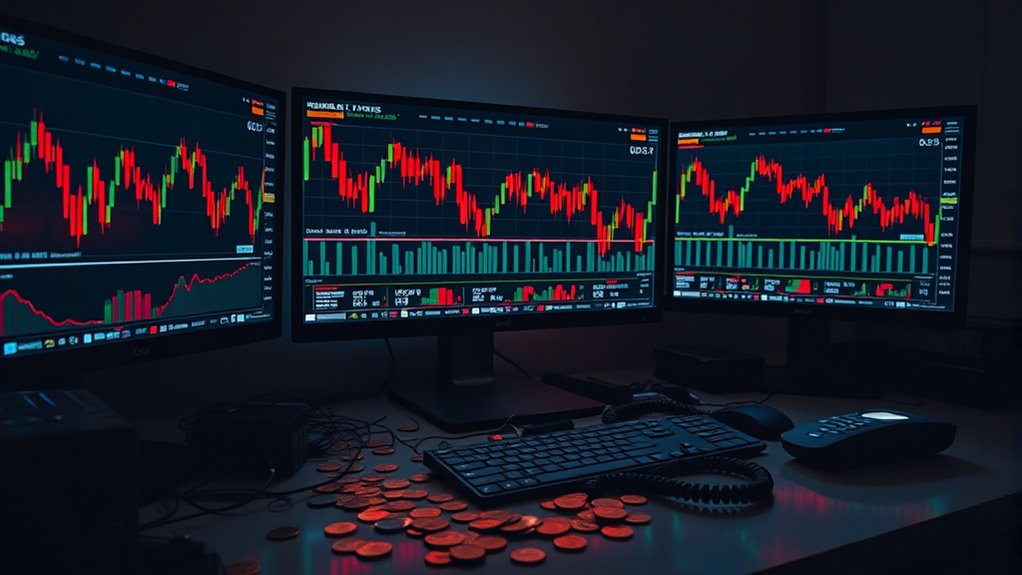
Despite recent gains, the cryptocurrency market is experiencing a significant pullback, with Bitcoin and major altcoins dropping approximately 15%. This sharp decline catches many traders off guard, especially after the recent bullish momentum that seemed to signal a new wave of growth. As prices tumble, you might wonder what’s fueling this sudden downturn. The answer lies partly in evolving cryptocurrency regulation and shifting investor sentiment. Governments worldwide are intensifying their scrutiny, proposing or implementing stricter rules that threaten the freedom and profitability many investors have enjoyed. These regulatory uncertainties raise concerns about future market stability, prompting many to liquidate holdings quickly to avoid potential losses.
Cryptocurrency prices drop sharply amid regulatory fears and shifting investor sentiment.
You’ll notice that the impact of cryptocurrency regulation has become more pronounced lately. Countries like the U.S., China, and the European Union are considering measures that could restrict certain trading practices or impose higher compliance costs. When regulators signal a crackdown, investor confidence tends to waver. The market reacts swiftly, and prices dip as traders seek safety amid the uncertainty. This regulatory environment can seem like a double-edged sword—on one hand, it aims to legitimize and stabilize the industry; on the other, it creates immediate volatility that can erode gains and shake investor sentiment. If you’re holding assets, you might feel anxious about how these regulatory moves could shape the future landscape. Additionally, the increasing focus on cybersecurity vulnerabilities in the crypto space heightens concerns about potential exploits during turbulent times.
Meanwhile, investor sentiment is swinging from optimism to caution. During the recent rally, many believed that cryptocurrencies had broken through their previous barriers, but the pullback shows how fragile that confidence can be. Fear of losing profits, combined with concerns over regulatory crackdowns, causes many to retreat from the market. You might see this reflected in decreased trading volumes and increased sell-offs across exchanges. When investor sentiment turns sour, it can lead to a cascade of declines, as panic-selling accelerates the downturn. This emotional response often amplifies the initial decline, creating a feedback loop that drags prices down further.
In this environment, staying informed about regulatory developments becomes vital. You need to understand how new policies might impact your investments and prepare for volatility. While some traders see dips as buying opportunities, others prefer to wait until the dust settles. Ultimately, the current pullback underscores the importance of managing risk and not letting market sentiment dictate your decisions. As the landscape evolves, your ability to adapt—by monitoring regulation and maintaining a clear strategy—will determine how well you weather these turbulent times.
Frequently Asked Questions
Will Prices Recover Quickly After the Dip?
Yes, prices might recover quickly if market sentiment shifts positively. Keep an eye on trading strategies, such as setting stop-loss orders or taking profits, to manage your risk during volatile times. Market sentiment can change rapidly, influencing recovery speed. Staying informed about news and technical signals helps you decide when to buy or sell, increasing your chances for a swift rebound after a dip.
What Caused the Sudden Market Pullback?
You might think a liquidity crunch triggered the market pullback, and there’s truth to that. When investors lose confidence, negative market sentiment spreads quickly, causing a rush to sell assets like Bitcoin and altcoins. This increased selling pressure decreases liquidity, making it harder to buy or sell without impacting prices. As a result, the market experiences a sharp dip, reflecting heightened uncertainty and fear among traders.
Should Investors Panic and Sell Now?
You shouldn’t panic and sell now. Panic selling can lock in losses and hurt your long-term strategy. Instead, stay calm, assess the market fundamentals, and consider if this dip is temporary or signals a trend change. Remember, markets naturally fluctuate, and maintaining a disciplined approach helps you avoid impulsive decisions that could jeopardize your financial goals. Focus on your long-term investment plan and avoid knee-jerk reactions.
How Does This Dip Compare to Previous Crashes?
This dip resembles previous crashes regarding sharp declines and market volatility, but each crash has unique factors. Historically, such patterns often lead to recoveries if you hold through the turbulence. Comparing this to past market volatility, it’s not uncommon for cryptocurrencies to experience rapid drops followed by rebounds. Instead of panicking or selling, consider evaluating your investment strategy and staying informed about the market’s long-term potential.
Which Cryptocurrencies Are Most Affected by the Decline?
You notice that smaller altcoins and highly volatile tokens are most affected by the decline, their prices dropping sharply, their market sentiment shaken, and your portfolio diversification challenged. These assets tend to react more intensely to market swings, highlighting the importance of balancing your investments. Keep an eye on established cryptocurrencies like Bitcoin, which often weather downturns better, helping you protect your overall portfolio during market turbulence.
Conclusion
Now’s the moment to stay calm and avoid panic—markets can change in the blink of an eye. This 15% dip might feel like a disaster, but remember, even the biggest waves create new opportunities. Keep a clear head, assess your holdings, and don’t let fear drive your decisions. The crypto world is a rollercoaster, and like all wild rides, it eventually steadies. Stay sharp—you’re in this for the long haul.
Fall Picks
fall essentials
As an affiliate, we earn on qualifying purchases.