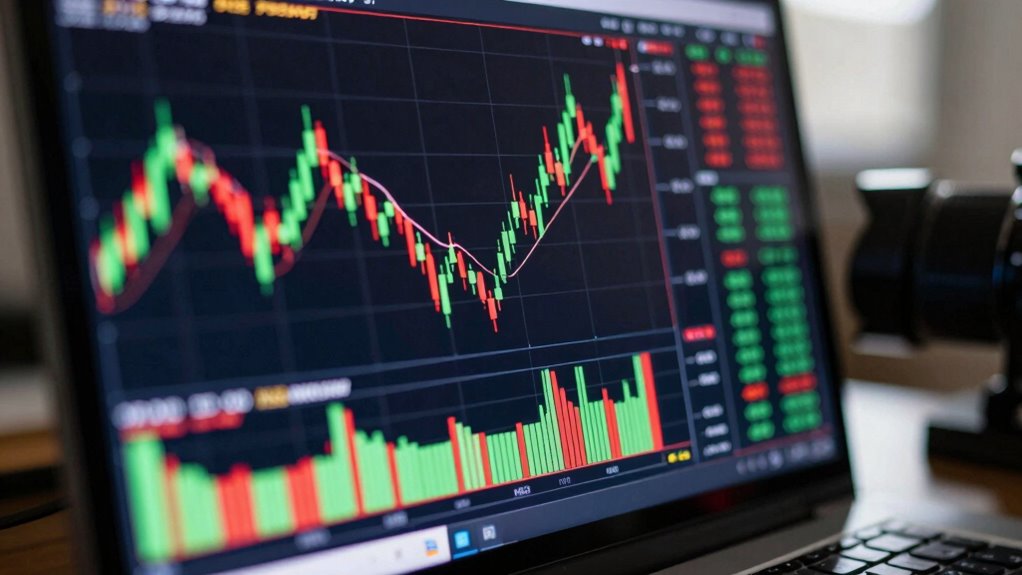

A retest after a crypto breakout is when the price returns to test the previous resistance level now acting as support, confirming if the breakout is genuine. You’re watching for strong volume and bounce-back signals, which indicate market confidence. If the price holds, it suggests the move is valid; if it fails, a reversal may follow. Understanding this process helps you make smarter trades and avoid false signals—stay tuned to learn more about what these signals mean.

Get hardware and tech essentials delivered free — and shop member deals
- Fast, free delivery on millions of items
- Access to Prime Big Deal Days deals on October 6–7
- Prime Video, Amazon Music and more included
Key Takeaways
- A retest confirms whether the breakout is genuine or false, indicating the strength of the move.
- It involves the price returning to previous support or resistance levels to test their validity.
- A successful retest with strong volume suggests the breakout is likely to hold.
- A failed retest may signal a potential reversal or false breakout, prompting caution.
- Retests help traders decide entry points, set stop-losses, and manage risk effectively.
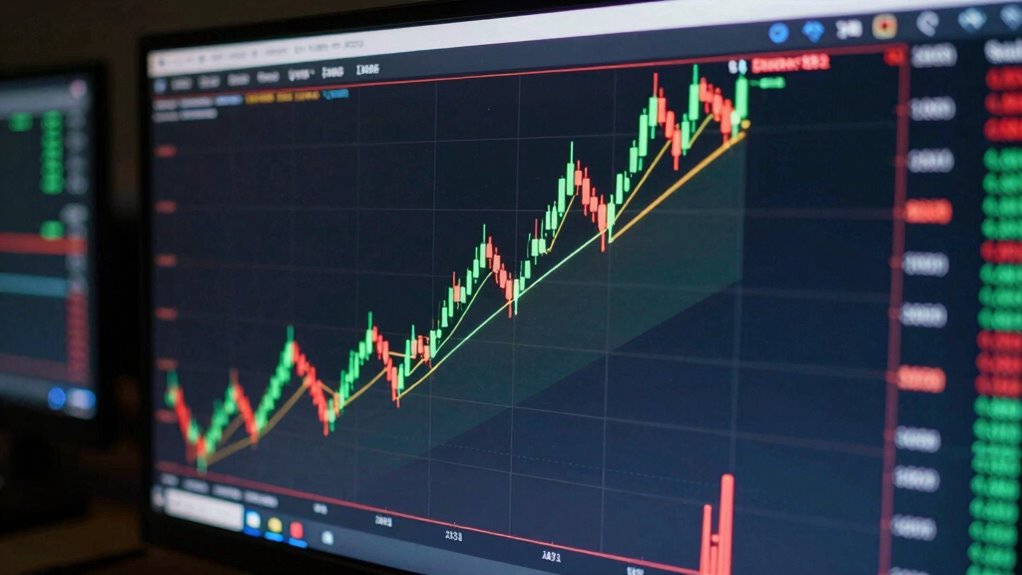
Have you ever wondered what happens after a major crypto breakout? When a cryptocurrency surges past a key resistance level, it often sparks excitement and a rush of trading activity. But what follows isn’t always a straightforward move higher. Instead, the market may experience a retest—a process where the price dips back toward the breakout point before deciding its next direction. This retest can be a critical moment for traders, providing an opportunity to confirm whether the breakout was genuine or just a false signal.
A retest after a crypto breakout verifies if the move is genuine or a false signal, guiding your next trading step.
In the moments after a breakout, market volatility tends to spike. You’ll notice increased price swings and rapid shifts in sentiment, which can be both thrilling and nerve-wracking. During this period, trading volume often surges as traders rush to either capitalize on the move or protect their gains. A high trading volume during the retest indicates strong conviction behind the move, suggesting that the breakout is more likely to hold. Conversely, if the volume remains subdued and the price quickly falls back below the breakout level, it might signal that the move lacked momentum and could reverse.
A retest isn’t just about price action; it’s also about confirming the strength of the breakout. When the price pulls back to the previous resistance level—now acting as support—it offers a chance to see if buyers are willing to step in. If the price holds steady or bounces off this level, it’s a good sign that the breakout is genuine. Traders often watch for specific signals, such as increased buying volume or bullish candlestick patterns, which suggest the retest is a healthy consolidation before a potential rally. On the other hand, if the price fails to hold and drops further, it could mean the breakout was false or short-lived. Recognizing the importance of market psychology and its role in retests can help traders better interpret these critical moments. Additionally, understanding support and resistance levels helps in assessing the potential strength of a retest. Incorporating technical analysis techniques can further enhance the accuracy of interpreting these signals. Being aware of market sentiment can also provide valuable insights into whether traders are confident or cautious during this phase. Moreover, paying attention to trading volumes during retests can give a clearer picture of market commitment.
Understanding what a retest means after a crypto breakout helps you manage risk more effectively. Instead of rushing in blindly after a quick surge, you check if the retest confirms the move’s validity. This pause allows the market to digest the initial volatility and provides clearer clues about future direction. Whether you see a successful retest or a rejection, it shapes your next steps—whether to enter a position, set stop-loss orders, or wait for another confirmation. Ultimately, recognizing the significance of a retest helps you avoid common traps of chasing false breakouts and supports more disciplined trading in volatile crypto markets.
As an affiliate, we earn on qualifying purchases.
Frequently Asked Questions
How Soon Should I Expect a Retest After a Breakout?
You can usually expect a retest within a few days to a week after a breakout, but market volatility can speed this up or delay it. Stay mindful of trading psychology, as emotions may influence how quickly the retest occurs. Trust your analysis, and don’t rush. A retest confirms the breakout’s strength, giving you a clearer entry point and helping you manage risk effectively amid fluctuating market conditions.
Can a Retest Indicate a Failed Breakout?
Yes, a retest can indicate a failed breakout if market psychology shifts and the price struggles to hold above the breakout level. This often signals false signals, where traders initially see momentum but quickly lose confidence. If the price drops back below the breakout point during the retest, it suggests the breakout was false, and the market may revert to previous levels, warning you to stay cautious.
What Signals Confirm a Successful Retest?
A successful retest is confirmed when the price bounces back from the previous resistance level, now acting as support, showing strong buying interest. For example, imagine Bitcoin retesting its breakout point and holding above it. Market psychology shifts to optimism, and technical confirmation comes when volume increases on the bounce, indicating traders’ confidence. This signals the breakout is genuine, increasing the likelihood of a sustained upward trend.
How Does Volume Affect the Retest Process?
Volume plays a vital role in the retest process because it reflects market psychology and trader confidence. When volume increases during a retest, it signals strong backing from traders, making the breakout more reliable. Trading algorithms often respond to volume spikes, confirming the move’s legitimacy. Low volume during a retest might indicate hesitation or weak conviction, which could lead to a false breakout. Ultimately, volume helps you gauge the strength and sustainability of the retest.
Should I Buy During the Retest Phase?
Think of the retest as a handshake between the market and your trading psychology—an agreement before a potential move. You should consider buying during the retest if market psychology shows confidence, with volume confirming strength. Trust your analysis and observe how traders react; if confidence is high and volume supports the bounce, it’s a good chance to buy. Otherwise, patience might serve you better.
candlestick pattern trading book
As an affiliate, we earn on qualifying purchases.
As an affiliate, we earn on qualifying purchases.
Conclusion
As you watch the chart, imagine the price as a brave explorer stepping through a new door, only to pause and glance back before moving forward. That retest is your moment to breathe, observe, and confirm the trail ahead. If it holds firm, you’re standing at the edge of a promising new journey. Trust this quiet pause—it’s your sign that the breakout’s true, and the adventure into higher gains is just about to begin.
support resistance trading tools
As an affiliate, we earn on qualifying purchases.
As an affiliate, we earn on qualifying purchases.
cryptocurrency risk management kit
As an affiliate, we earn on qualifying purchases.
As an affiliate, we earn on qualifying purchases.
Fall Picks
fall essentials
As an affiliate, we earn on qualifying purchases.






![Consumer Trends And Innovations In Tying Gym Shorts [Video]](https://dailycoinfeed.com/wp-content/uploads/2026/09/consumer-trends-and-innovations-in-tying-gym-shorts-video-featured-260x140.jpg)