

📊 Full opportunity report: 2026'S AI Landscape: 9 Trends To Watch on ThorstenMeyerAI.com — validation score, market gap, and execution plan.

Get hardware and tech essentials delivered free — and shop member deals
- Fast, free delivery on millions of items
- Access to Prime Big Deal Days deals on October 6–7
- Prime Video, Amazon Music and more included
TL;DR
In 2026, nine major AI trends are emerging, including advancements in generative AI, regulatory shifts, and increased industry adoption. This report highlights confirmed developments and ongoing uncertainties shaping the AI landscape.
Multiple AI trends are converging in 2026, shaping the industry’s future. Experts and industry reports confirm that advancements in generative AI, regulatory changes, and increased enterprise adoption are key developments this year, making 2026 a pivotal year for artificial intelligence.
Industry sources, including market analysts and leading AI companies, confirm that generative AI models continue to evolve rapidly, with new applications in content creation, coding, and design. Additionally, governments worldwide are implementing regulatory frameworks to address ethical concerns and data privacy, although specifics vary by region.
Enterprise adoption of AI tools is accelerating, with sectors such as healthcare, finance, and manufacturing integrating AI systems into core processes. Meanwhile, experts warn that technological and regulatory uncertainties remain, especially regarding AI safety and ethical standards, which could influence future developments.
The 10 picks
- 1
 ASUS ROG Astral NVIDIA GeForce RTX 5080 16GB GDDR7 OC Edition Gaming Graphics…View on Amazon →
 - 2
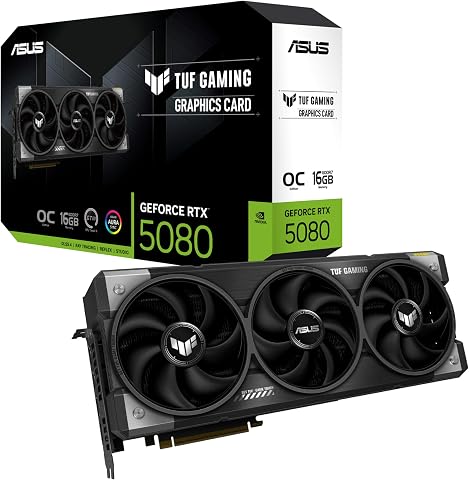 ASUS TUF Gaming GeForce RTX 5080 16GB GDDR7 OC Edition Graphics CardView on Amazon →
 - 3
 PNY NVIDIA GeForce RTX 5080 Epic-X ARGB OC Triple Fan Graphics Card (16GB GDD…View on Amazon →
 - 4
 GIGABYTE GeForce RTX 5070 Ti Gaming OC 16G Graphics CardView on Amazon →
 - 5
 ASUS Prime NVIDIA GeForce RTX 5070 OC Edition Graphics Card (12GB GDDR7, PCIe…View on Amazon →
 - 6
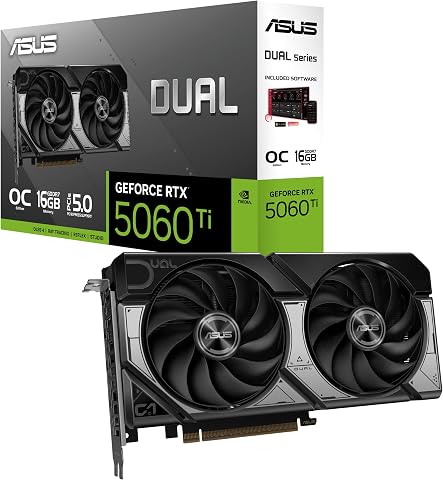 ASUS Dual NVIDIA GeForce RTX 5060 Ti 16GB GDDR7 OC Edition Graphics CardView on Amazon →
 - 7
 XFX Swift AMD Radeon RX 9060 XT OC Triple Fan Gaming Edition with 16GB GDDR6View on Amazon →
 - 8
 GIGABYTE Radeon RX 9060 XT Gaming OC ICE 16G Graphics CardView on Amazon →
 - 9
 ASUS Dual NVIDIA GeForce RTX 5060 8GB GDDR7 OC Edition Graphics CardView on Amazon →
 - 10
 GIGABYTE GeForce RTX 5060 WINDFORCE OC 8G Graphics CardView on Amazon →
Why 2026’s AI Trends Are Industry-Shaping
This year’s AI developments are shaping future industry standards, influencing policy, and determining the pace of technological innovation. The widespread adoption of advanced AI models could transform sectors and impact employment, privacy, and security. Understanding these trends helps stakeholders navigate potential risks and opportunities.
Key Developments Setting the 2026 AI Stage
Over the past few years, AI has transitioned from experimental technology to mainstream application. Major companies like OpenAI, Google, and Microsoft have released increasingly sophisticated models, with GPT-4 and similar systems leading the way in natural language processing. Governments, notably the EU and US, are drafting regulations aimed at managing AI risks, reflecting growing concern over ethical and safety issues. Industry analysts predict that 2026 will see these trends intensify, with AI becoming more embedded in daily life and business operations.
“The rapid evolution of generative AI models is opening new frontiers in automation and creativity, but it also raises questions about safety and ethical use.”
— John Ramirez, CTO of Tech Innovators Inc.
Unresolved Questions About AI’s 2026 Path
While many trends are confirmed, several uncertainties remain. It is not yet clear how quickly regulatory frameworks will be adopted globally or how effectively they will address AI safety concerns. Additionally, the pace of enterprise adoption may vary across industries, influenced by technological readiness and ethical considerations. The potential emergence of new AI paradigms or breakthroughs could also alter the current trajectory, but these are still speculative at this stage.
Next Steps for Stakeholders in the 2026 AI Landscape
Stakeholders should monitor evolving regulations and industry standards closely. Companies are advised to prepare for increased scrutiny and to invest in AI safety and ethics. Researchers and policymakers need to collaborate on establishing clear guidelines to foster innovation while mitigating risks. As AI continues to evolve, ongoing analysis and adaptive strategies will be crucial for navigating the uncertain landscape of 2026 and beyond.
Key Questions
What are the most confirmed AI trends for 2026?
The most confirmed trends include rapid advancements in generative AI, increased enterprise adoption, and the implementation of new regulatory frameworks across regions.
How might regulations impact AI development in 2026?
Regulations are expected to influence AI deployment by setting safety, privacy, and ethical standards, potentially slowing some innovations but also fostering responsible development.
What uncertainties could affect AI’s growth this year?
Uncertainties include the speed of global regulatory adoption, the emergence of new AI paradigms, and the potential for unforeseen technological breakthroughs or setbacks.
Why is 2026 considered a pivotal year for AI?
Because of the convergence of rapid technological advancements, evolving regulations, and widespread industry adoption, making it a critical point for AI’s societal and economic impact.
How should businesses prepare for these AI trends?
Businesses should invest in understanding regulatory changes, prioritize AI safety and ethics, and adapt their strategies to leverage AI’s capabilities responsibly and effectively.
Source: ThorstenMeyerAI.com
Fall Picks
fall essentials
As an affiliate, we earn on qualifying purchases.