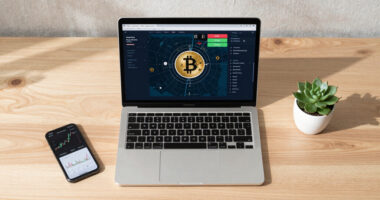
Asset tokenization turns physical assets like real estate, art, or commodities into digital tokens on a blockchain. This makes ownership easier, more secure, and accessible, especially for beginners. You can invest in smaller amounts, diversify your portfolio, and access markets worldwide. Blockchain guarantees transparency, reduces costs, and prevents fraud. If you’re curious about how this technology can change your investment approach, exploring further will reveal even more benefits.

Get hardware and tech essentials delivered free — and shop member deals
- Fast, free delivery on millions of items
- Access to Prime Big Deal Days deals on October 6–7
- Prime Video, Amazon Music and more included
Key Takeaways
- Asset tokenization turns physical assets into digital tokens on blockchain, making ownership and transfer easier.
- It offers beginners affordable access to diverse investments like real estate, art, and commodities.
- Blockchain ensures secure, transparent transactions, reducing fraud and increasing trust in digital assets.
- Tokenization bridges traditional assets with digital markets, simplifying management for new investors.
- It promotes financial inclusion by expanding investment options and making markets more accessible.

If you’re new to the world of blockchain and digital assets, understanding real-world asset tokenization might seem complex at first. But once you grasp the basics, you’ll see how it can revolutionize the way you think about ownership and investment. Fundamentally, asset tokenization turns physical assets—like real estate, art, or commodities—into digital tokens that you can buy, sell, or trade on a blockchain. This process creates a new form of digital ownership, where each token represents a share of the underlying asset. Instead of dealing with bulky paperwork or complex legal procedures, you own a clear, verifiable digital claim that’s stored securely on the blockchain.
One of the biggest advantages for you is the potential for investment diversification. Traditional investing often requires significant capital and can be limited to specific markets or asset classes. But with tokenization, you can access a broader range of assets from around the world, often in smaller, more affordable increments. This means you can diversify your portfolio more easily and efficiently, spreading your risk across different types of assets without needing substantial funds for each one. For example, instead of just investing in stocks or real estate on a local scale, you might own a fraction of international real estate or collectible art, all through digital tokens. This opens up opportunities that were previously inaccessible or too complicated to manage. Additionally, blockchain technology plays a crucial role in ensuring the security and transparency of these transactions, further increasing confidence in digital asset investments. Incorporating traditional assets into digital tokens can also help bridge the gap between conventional and modern investments, making the transition smoother for many investors. Understanding how digital tokens are created and managed is essential for navigating this evolving landscape.
Understanding real-world asset tokenization also reveals how it simplifies ownership and transfer processes. Transactions become more transparent, faster, and often cheaper, since blockchain technology minimizes intermediaries. This transparency helps prevent fraud and builds trust in your investments. As a beginner, you should see this as an accessible way to participate in markets that once seemed complex or out of reach. By embracing digital ownership through tokenization, you gain more control over your assets, broaden your investment options, and step into a modern financial landscape that’s more inclusive and efficient. Recognizing the benefits of digital assets can help you appreciate how this technology might shape your financial future.
real estate tokenization platform
As an affiliate, we earn on qualifying purchases.
As an affiliate, we earn on qualifying purchases.
Frequently Asked Questions
How Secure Is Real-World Asset Tokenization?
Real-world asset tokenization offers a decent level of security, but you’re not completely risk-free. Digital security measures like encryption and blockchain technology help protect your tokens. However, you should be aware of regulatory challenges, as laws vary and can impact security standards. Always do thorough research and choose reputable platforms to reduce risks. Staying informed about both digital security practices and evolving regulations keeps your investments safer.
What Legal Issues Surround Asset Tokenization?
Think of asset tokenization like crossing a busy street—legal issues are the traffic signals you must obey. You need legal compliance to guarantee tokens represent true ownership rights, avoiding disputes or fraud. For example, unclear regulations can lead to ownership conflicts, much like a pedestrian unsure if the light is green. Ensuring proper legal frameworks helps protect your investments and clarifies who holds the rights to the underlying assets.
Can Tokenized Assets Be Traded Internationally?
Yes, tokenized assets can be traded internationally, enabling you to transfer digital ownership across borders easily. With cross-border trading, you can buy or sell fractional ownership of real-world assets like property or commodities without traditional intermediaries. This process simplifies global transactions, reduces costs, and opens up new investment opportunities. However, you should stay aware of varying legal regulations in different countries to guarantee smooth and compliant international trading.
What Types of Assets Are Best for Tokenization?
You should consider tokenizing assets like real estate, art, or commodities, as they best facilitate digital ownership and asset diversification. These assets benefit from improved liquidity, easier transferability, and broader access for investors. By tokenizing them, you diversify your portfolio while gaining efficient digital ownership rights. This makes these types ideal for beginners exploring how to leverage asset tokenization to expand their investments and enhance financial flexibility.
How Does Tokenization Impact Asset Liquidity?
Imagine you’re a digital pioneer in a new frontier—tokenization boosts asset liquidity by making assets more accessible. You can trade real-world assets like property or art instantly, without traditional barriers. This enhances market accessibility and allows you to diversify your portfolio easily. With digital ownership secured through tokens, you gain more flexibility and faster transactions, ultimately transforming how you buy, sell, and hold assets in today’s dynamic economy.
As an affiliate, we earn on qualifying purchases.
Conclusion
Understanding real-world asset tokenization opens up exciting investment opportunities for you, making assets like real estate or art more accessible. Did you know that the global tokenization market is expected to reach $4.6 trillion by 2025? This growth shows how blockchain is transforming traditional investments, offering more liquidity and transparency. So, whether you’re a novice or experienced investor, embracing tokenization could be your key to smarter, more flexible investments in the future.
commodity tokenization investment
As an affiliate, we earn on qualifying purchases.
As an affiliate, we earn on qualifying purchases.
blockchain asset management tools
As an affiliate, we earn on qualifying purchases.
As an affiliate, we earn on qualifying purchases.
Fall Picks
fall essentials
As an affiliate, we earn on qualifying purchases.