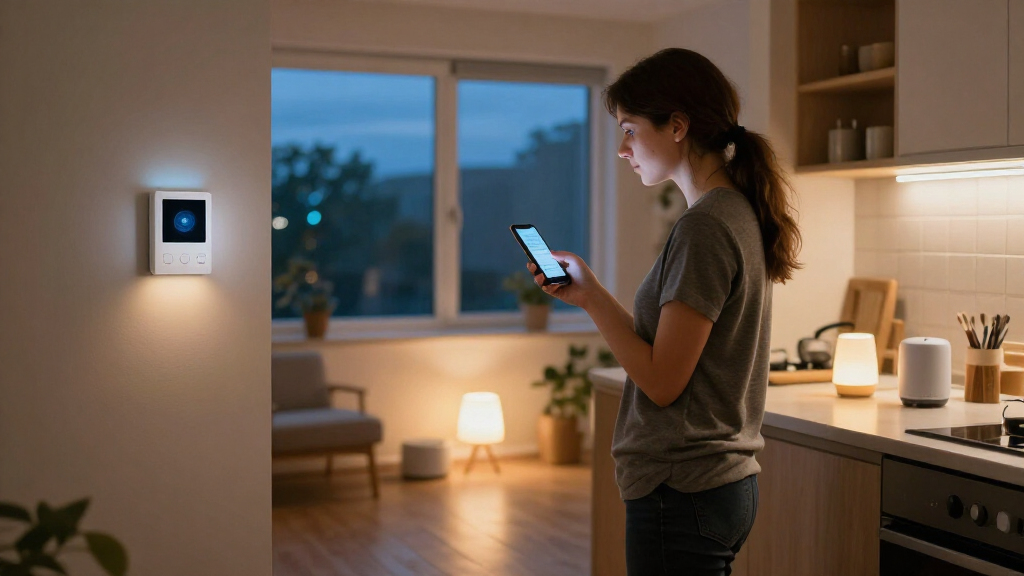

🔍 Read the full analysis: A Closer Look At AI-Powered Home Automation Devices on ThorstenMeyerAI.com

Get hardware and tech essentials delivered free with Prime
- Fast, free delivery on millions of items
- Prime Video, Amazon Music and more included
- Member-only deals all year
TL;DR
A comparison published by ThorstenMeyerAI.com examines Matter-compatible home automation devices and proprietary systems, finding different strengths rather than one universal winner. Matter can make it easier to mix brands or change platforms, while proprietary systems may offer tighter integrations and specialized features. Actual capabilities, privacy practices and local control vary by device and platform.
ThorstenMeyerAI.com has compared Matter-compatible home automation devices with proprietary smart home systems, outlining a trade-off between cross-brand flexibility and closer integration within one manufacturer’s ecosystem, as detailed in the original analysis. The comparison says Matter can be a useful starting point for households that want to mix brands or retain the option to change platforms, while proprietary systems may suit buyers seeking a more unified experience and features tailored to a maker’s products.
The comparison covers devices and systems used to automate lighting, locks, climate controls and routines, a topic also explored in this look at AI-powered home devices. It says Matter is designed to connect participating products across supported platforms, but that compatibility does not mean every feature is available everywhere. Basic controls may work through a shared platform even when a manufacturer’s special routines, sensor data or AI-assisted features remain available only through its own app or service.
Proprietary systems can offer deeper integrations among a manufacturer’s devices and may make everyday setup simpler when a household stays within one supported ecosystem. The trade-off is that product choice, software support and some functions can depend on the manufacturer. Moving to another system may mean losing features or replacing devices, according to the comparison; other AI home automation devices also highlight the range of options available to buyers.
The source does not identify a universal winner for setup, reliability, local control or privacy. It says these depend on the specific device and controller: many Matter devices can communicate locally, but behavior varies, and Matter does not establish one privacy policy for all participating brands. The comparison also includes Hubitat, SwitchBot and Green product recommendations, but does not provide test methods, measurements or independent verification for those recommendations.
Choosing Flexibility or Deeper Integration
The choice affects more than how devices are controlled today. A cross-brand setup may give households more options when adding products or changing a controller, but users still need to check whether the features they care about work on their chosen platform. A system that connects a device’s basic functions may not carry over its full automation or AI features.
A proprietary system may reduce setup friction when all devices are supported by one manufacturer, and it can provide routines designed for that product range. In exchange, households accept greater dependence on that maker’s device lineup, accounts and software decisions. The comparison frames the decision as a practical question: whether specialized integration is worth a narrower route to future changes.
Privacy and reliability also require product-by-product checks. A shared standard does not amount to a shared privacy policy, and local communication is not guaranteed simply by choosing Matter. Buyers should review the relevant device and platform information rather than infer performance from the ecosystem label alone.
Products Worth Considering

Ledger Flex Crypto Wallet with 2.8-Inch E Ink Touchscreen

Logitech MX Keypad Programmable Macro Pad, Graphite

LG 27G810A-B 27-inch UltraGear 4K UHD IPS Gaming Monitor
As an affiliate, we earn on qualifying purchases.
How Matter and Closed Ecosystems Differ
Matter is a compatibility standard intended to help supported smart home devices work across participating brands and platforms. It does not promise that every device feature, automation or AI function will be available in every app. Support can depend on the product, controller and platform, so a compatibility label does not settle every practical question.
Proprietary systems center on a manufacturer’s own products and selected partners. That narrower scope can allow more coordinated routines and a simpler experience within the system, but can make switching more difficult. The source presents Matter as a stronger foundation for people mixing brands, and proprietary products as a better fit when a particular maker’s integration is a priority.
The supplied material is a buyer-oriented comparison, not a report of a newly announced device, standard change or independent product test. It includes affiliate disclosures and recommendations for particular products. Those commercial links are separate from the general comparison and do not establish that the named products outperform alternatives.
Details Buyers Must Verify
The source provides no publication date, testing methodology, prices, measured reliability results or quantified privacy comparisons. It also does not name specific device models or explain which controllers and platform versions were evaluated. Its conclusions should therefore be read as general guidance from the comparison, not as evidence that every Matter-compatible device or proprietary system behaves the same way.
It remains unclear which AI features are available across particular products and platforms, how long individual manufacturers will support devices, and whether a given setup can operate locally for all of its functions. The source says these details vary, but does not resolve them for specific households. Readers would need to check current compatibility lists, product documentation, subscription terms and privacy policies before choosing a system.
Check Compatibility Before Buying
The comparison offers no announced follow-up, product launch or scheduled milestone. For prospective buyers, the next step is to list the devices and routines they need, then confirm that each product works with the intended controller and that its specific features are supported on the chosen platform.
Households weighing a proprietary system against Matter can also review local-control capabilities, account requirements, subscriptions, privacy terms and the manufacturer’s support commitments. Those checks can show whether a simpler, more integrated setup is worth reduced flexibility—or whether a mixed-brand approach better fits plans to change devices over time.
Key Questions
What is the main difference between Matter and a proprietary smart home system?
Matter is designed for compatibility among participating devices and platforms. A proprietary system centers on one manufacturer’s products and may offer tighter integrations, but can limit choices or make switching harder.
Does Matter guarantee that every device feature will work across platforms?
No. The comparison says basic controls may carry across, while specialized routines, sensor data or AI features may remain tied to a manufacturer’s app or platform. Check support for the exact feature you need.
Which approach is better for a home with devices from several brands?
The source describes Matter as a stronger starting point for mixing brands, provided the devices and desired features are supported by the selected controller and platform.
Does Matter provide one privacy policy or guarantee local control?
No. The comparison says privacy practices vary by brand and platform. Many Matter devices can communicate locally, but actual behavior depends on the device and controller; buyers should review product-specific policies and capabilities.
What should buyers check before choosing a smart home system?
Confirm device and feature compatibility, controller requirements, local operation, privacy terms, subscriptions and support expectations. A system’s overall label does not establish how every individual product will work.
Source: ThorstenMeyerAI.com