
🔍 Read the full analysis: Smart Living In 2026: 11 Best AI Home Automation Devices on ThorstenMeyerAI.com

Get hardware and tech essentials delivered free with Prime
- Fast, free delivery on millions of items
- Prime Video, Amazon Music and more included
- Member-only deals all year
TL;DR
In 2026, smart home technology is dominated by AI-powered devices that improve automation, privacy, and energy management. This article reviews the top 11 devices, highlighting their features and compatibility.
AI-powered home automation devices are transforming residential living in 2026, offering smarter, more intuitive control over lighting, climate, security, and more. For a comprehensive overview, see the original analysis. The HomeClaw Smart Home Gateway has been identified as the top overall device for its versatile AI integration and open-source capabilities, according to ThorstenMeyerAI.com. These developments are significant as they enable homeowners to customize and enhance their living spaces with advanced, privacy-conscious technology.
The HomeClaw Smart Home Gateway stands out as the most versatile hub, supporting multiple protocols such as Z-Wave, Zigbee, and Matter, which ensures broad device compatibility. Learn more about top AI home automation devices in Leading The Way: 14 Best AI Home Automation Devices For 2026. It features local AI processing, improving privacy and responsiveness, though setup can be complex for non-technical users. The Google Nest Learning Thermostat remains a leading choice for energy efficiency, with its adaptive learning capabilities that optimize heating and cooling based on routines, although it may require additional sensors for comprehensive coverage. Budget-friendly options like the Lutron Caseta Kit continue to appeal for their simplicity, affordability, and reliable automation functions, making smart lighting accessible without AI complexities. For more on smart lighting options, see the best smart light bulbs. Overall, these devices exemplify a trend toward integrating AI with ease of use, security, and scalability, shaping the future of home living.
The 11 picks
- 1
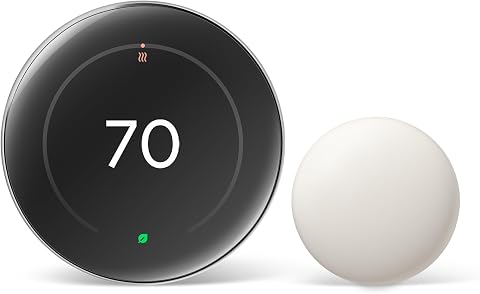 Google Nest Learning Thermostat (4th gen) + Nest Temperature Sensor (2nd gen)…View on Amazon →
- 2
 SwitchBot AI Hub with OpenClaw Support and Local Camera StorageView on Amazon →
- 3
 Lutron Caseta Deluxe Smart Switch Kit with 2 Switches, Hub, Remote, WallplateView on Amazon →
- 4
 Hubitat Elevation C-8 Pro Smart Home Automation Hub – Matter 1.5, Z-Wave 800…View on Amazon →
- 5
 HomeClaw Smart Home Gateway with Home Assistant & OpenClaw AIView on Amazon →
- 6
 AI-Powered Smart Home DevicesView on Amazon →
- 7
 iSG Box SE Smart Home Hub with Preinstalled Home AssistantView on Amazon →
- 8
 Shelly 1PM Gen4 UL Smart Relay Switch with Power Metering, Wi-Fi, Zigbee & Ma…View on Amazon →
- 9
 AI-Powered Smart Home Guide 2026: A Step-by-Step Guide to Designing, Optimizi…View on Amazon →
- 10
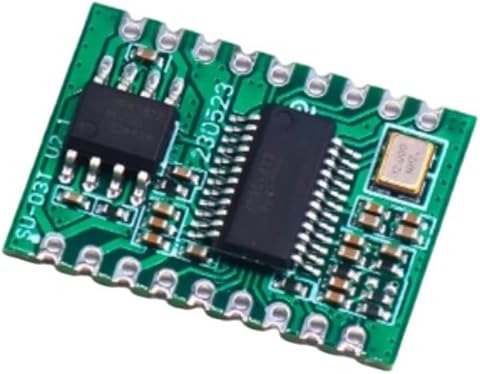 Local AI Voices Command Processor for Home Automation SystemsView on Amazon →
- 11
 AI Powered Smart Home Guide for Beginners 2026View on Amazon →
Why AI Home Devices Shape Modern Living
The rise of AI-enabled home devices in 2026 signifies a shift toward more personalized, efficient, and privacy-conscious smart homes. These devices not only automate routine tasks but also adapt to user behavior, reducing energy consumption and enhancing security. As compatibility and local processing improve, homeowners can expect more responsive and secure systems, making AI integration a key factor in future home design. This evolution impacts consumers, manufacturers, and the broader smart home ecosystem, emphasizing the importance of flexibility, privacy, and user control.
Products Worth Considering

LG UltraGear 32GS60QC-B 32-inch Curved QHD Gaming Monitor (180Hz, 1ms, 1000R, AMD FreeSync, HDR10)

LG UltraGear 27-inch QHD OLED Gaming Monitor, 240Hz

LG UltraGear 25G590B-B 25-Inch Full HD 1000Hz Gaming Monitor
As an affiliate, we earn on qualifying purchases.
Evolution of AI in Smart Home Tech
Over the past few years, smart home technology has transitioned from basic automation to sophisticated AI-driven systems. Early devices relied heavily on cloud processing, raising privacy concerns and latency issues. Recent advancements, as highlighted by ThorstenMeyerAI.com, focus on local AI processing and multi-protocol support, enabling more secure and responsive automation. The market now features a mix of high-end hubs and affordable switches, reflecting diverse consumer needs and technical expertise. The trend toward open-source platforms and cross-protocol compatibility underscores a move toward more customizable and future-proof smart home ecosystems.
“The most versatile AI home hubs combine multiple protocols like Z-Wave, Zigbee, and Matter, facilitating broad device compatibility.”
— Thorsten Meyer, ThorstenMeyerAI.com
Remaining Questions About AI Home Devices
While many devices claim advanced AI capabilities, it is still unclear how well these features perform in diverse home environments over time. The extent of privacy benefits from local processing varies among products, and long-term reliability remains to be fully tested. Additionally, compatibility with emerging protocols and future updates could influence device longevity and user satisfaction. Details about seamless integration with existing ecosystems and the true AI learning curve are still emerging, making it essential for consumers to verify claims and evaluate real-world performance.
Future Developments in AI Home Automation
Looking ahead, expect further improvements in AI algorithms for smarter automation, enhanced privacy features with more local processing, and broader protocol support. Manufacturers are likely to focus on simplifying setup processes and expanding compatibility with new devices and ecosystems. The market may also see increased adoption of open-source platforms, allowing more customization and user control. Consumers should watch for software updates and new product releases that enhance AI capabilities and address current limitations, shaping the next wave of intelligent home living.
Key Questions
Can I upgrade my current smart home with these new AI devices?
Yes, many AI-powered devices support common protocols like Z-Wave, Zigbee, and Matter, making it possible to integrate them into existing setups. Compatibility should be verified before purchase, especially if you rely on proprietary ecosystems.
Are local AI processing devices more secure than cloud-based ones?
Local AI processing enhances privacy by reducing reliance on cloud servers, minimizing data transmission, and lowering the risk of breaches. However, security also depends on device implementation and network safeguards.
What factors should I consider when choosing an AI home automation device?
Key considerations include compatibility with your existing devices and protocols, AI features like adaptive learning, ease of installation, privacy preferences, and scalability for future expansion.
Will these devices require professional installation?
Many devices are designed for DIY setup with clear instructions, but some high-end hubs or complex systems may benefit from professional installation, especially if local AI processing or extensive integrations are involved.
How reliable are AI features in real-world home environments?
While AI features are improving, their effectiveness can vary based on home layout, device placement, and user behavior. Ongoing updates and community feedback help refine their performance over time.
Source: ThorstenMeyerAI.com