
📊 Full opportunity report: Acoustic Dampening, Placement, and the “Rig in the Closet” Setup on ThorstenMeyerAI.com — validation score, market gap, and execution plan.
TL;DR
Moving your rig into a closet or small room significantly reduces noise and reflections. Proper placement, sealing gaps, and using absorption materials improve sound quality and prevent heat buildup. This guide provides practical tips for creating a quiet, effective workspace.
Moving a high-powered computer rig into a closet or small room is the most effective way to reduce noise and unwanted reflections, according to recent expert guidance. Proper placement, sealing gaps, and using absorption materials are key to creating a controlled acoustic environment, which is essential for recording or quiet computing. For a detailed overview, see Acoustic Dampening, Placement, and the “Rig in the Closet” Setup. This approach often outperforms simple foam treatments alone.
Recent advice from acoustic experts emphasizes that relocating a noisy rig into a closet or separate room dramatically cuts down on sound emissions and internal reflections. The most effective setup involves placing the rig away from direct contact with walls and reflective surfaces, and treating the primary reflection points—behind the mic, side walls, and ceiling—with absorption materials such as foam panels, blankets, or rugs. Sealing gaps around doors and walls with weatherstripping enhances sound isolation, preventing leaks and echo.
Heat management is critical; high-power rigs generate significant heat, which can cause overheating in enclosed spaces. Experts recommend installing ventilation, such as exhaust fans or ducted airflow, to maintain safe temperatures. Using a combination of intake and exhaust fans, along with ducting or liquid cooling solutions, helps balance noise reduction with effective cooling.
Materials like thick acoustic panels, moving blankets, and bass traps in corners help control low-frequency buildup and reduce muddiness in recordings. Proper placement of these materials is crucial; over-treatment can deaden the room unnaturally, so understanding the specific acoustic behavior of the space is essential.
Acoustic dampening
& the rig in the closet.
The most powerful noise fix isn’t a material — it’s a floor plan. A rig you can’t hear because it’s in another room beats any amount of foam. Tap the approaches in Part 1 to see what actually works.
(another room)
(levers 1–4)
(door / barrier)
(acoustic foam)
Contain the noise, not the heat
Why Proper Acoustic Setup in a Closet Matters
Implementing effective acoustic dampening and placement strategies in a closet or small room significantly improves sound quality for recording, streaming, or quiet computing. It reduces echo, harsh reflections, and noise leakage, creating a more professional and distraction-free environment. Additionally, proper heat management ensures hardware longevity and performance, preventing overheating during intensive tasks. These practices enable users to optimize small spaces without sacrificing sound clarity or hardware safety.

Focusound 52 Pack Acoustic Foam Panels 1" x 12" x 12" Sound Proof Foam Panles Soundproofing Noise Cancelling Wedge Panels for Home Office Recoding Studio with 300PCS Double-Side Adhesive
- Soundproofing Design: Triangular grooves for noise absorption
- Includes Adhesive Tape: 300pcs strong double-sided adhesive included
- Easy Installation: Removable adhesive protects walls
As an affiliate, we earn on qualifying purchases.
As an affiliate, we earn on qualifying purchases.
Background on Closet-Based Rigs and Acoustic Strategies
Many users setting up high-performance rigs in small spaces or closets face challenges with noise, reflections, and heat. Traditional solutions often involve adding foam or blankets, but experts advise that placement and sealing are more effective for noise reduction. The concept of a 'rig in the closet' has gained popularity as a practical way to contain noise, provided that proper ventilation and acoustic treatment are used. Prior guidance has focused on soundproofing, but recent advice emphasizes the importance of combining dampening, sealing, and heat management for optimal results.
"Moving your rig into a closet or separate room is often the most effective way to significantly reduce noise and reflections. Proper placement and sealing are key to creating a controlled environment."
— Thorsten Meyer, acoustic expert
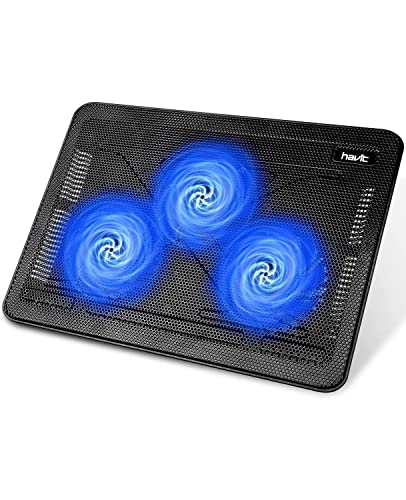
havit HV-F2056 15.6"-17" Laptop Cooler Cooling Pad - Slim Portable USB Powered (3 Fans), Black/Blue
- Ultra-Portable Design: Slim, lightweight, easy to carry
- Ergonomic Stand: Adjustable height for comfort
- Stable Metal Mesh: Provides secure laptop support
As an affiliate, we earn on qualifying purchases.
As an affiliate, we earn on qualifying purchases.
Uncertainties About Optimal Material Placement and Ventilation
While general guidelines exist, the specific effectiveness of different materials and placement strategies can vary depending on the room’s size, shape, and existing acoustics. The optimal number of absorption panels, bass traps, and sealing methods may differ for each setup. Additionally, the best ventilation solutions for balancing noise reduction and cooling are still being refined, especially for DIY configurations.

33 Ft Gray Self-Adhesive Soundproofing Weather Stripping for Doors and Windows, 0.35" Wide x 0.2" Thick
- Strong Adhesive: Prevents heat, cold, and noise escape
- High-Density Soft Hair: Wear-resistant, corrosion-resistant, flexible
- Diverse Durable Functions: Windproof, rainproof, dustproof, soundproof
As an affiliate, we earn on qualifying purchases.
As an affiliate, we earn on qualifying purchases.
Future Developments in Closet Rig Acoustic and Cooling Solutions
Research and experimentation continue to refine best practices for acoustic treatment and heat management in small, enclosed spaces. Manufacturers may develop specialized soundproof cabinets with integrated cooling, and new materials could offer better absorption with less bulk. Users can expect more tailored solutions, along with detailed guidelines for optimizing small-space rigs for both sound quality and hardware safety.
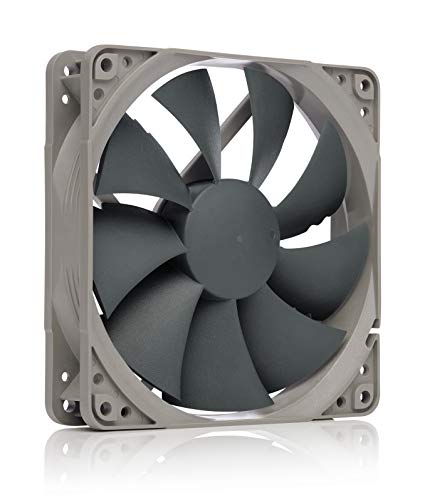
Noctua NF-P12 redux-1700 PWM, High Performance Cooling Fan, 4-Pin, 1700 RPM (120mm, Grey)
- Size: 120x120x25 mm
- Voltage: 12V
- PWM Control: 4-pin PWM
As an affiliate, we earn on qualifying purchases.
As an affiliate, we earn on qualifying purchases.
Key Questions
Can I completely soundproof my closet rig?
Complete soundproofing is difficult in small spaces without extensive modifications. However, combining dampening, sealing gaps, and proper ventilation can significantly reduce noise leakage and reflections.
What materials are best for acoustic dampening in a closet?
Effective materials include thick foam panels, moving blankets, rugs, and bass traps. Proper placement at reflection points and corners maximizes their effectiveness.
How do I prevent my hardware from overheating in a closet?
Install ventilation such as exhaust fans or ducted airflow, and consider using liquid cooling solutions. Ensure good airflow by placing intake fans at the bottom and exhaust fans at the top.
How much acoustic treatment do I need for a small closet?
About 20-30% wall coverage with absorption panels, plus sealing gaps around doors, generally provides noticeable improvements. Adjust based on your space’s specific acoustic behavior.
Source: ThorstenMeyerAI.com