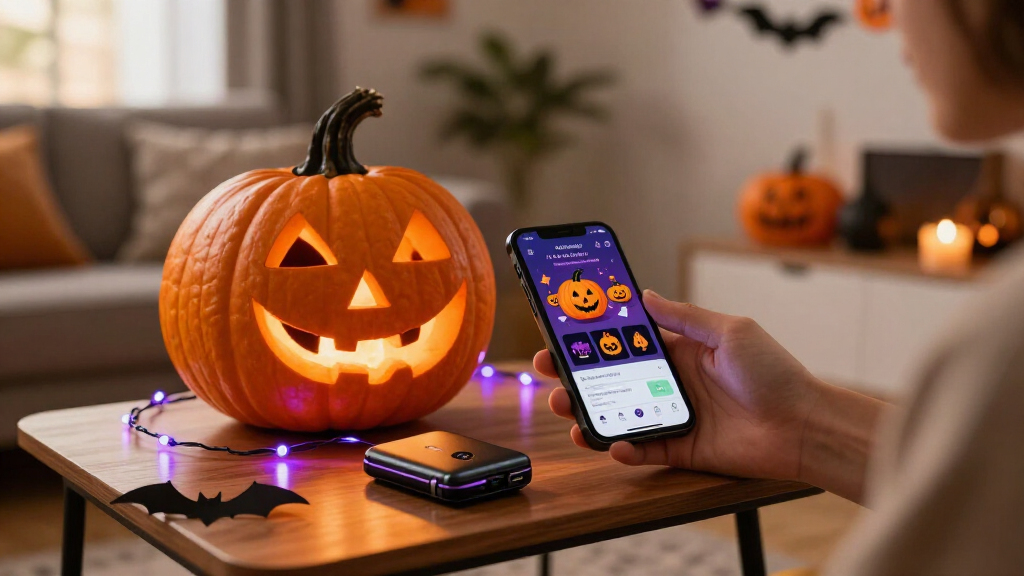

🔍 Read the full analysis: AI-Driven Inspiration For Your Halloween Decorating on ThorstenMeyerAI.com

Get hardware and tech essentials delivered free — and shop member deals
- Fast, free delivery on millions of items
- Access to Prime Big Deal Days deals on October 6–7
- Prime Video, Amazon Music and more included
TL;DR
AI can help create Halloween visuals and dialogue or make characters respond to visitors, but some products marketed as AI use only motion sensors and prerecorded sounds. Check how a feature works, what data it uses and whether it relies on internet access before building it into a display.
ThorstenMeyerAI.com has published a guide to using artificial intelligence in Halloween decorations, explaining how generated media and responsive characters differ from props that simply play a recording when triggered. The distinction matters to shoppers planning displays because it affects what a product can do, how reliably it runs and whether it handles visitor data.
The guide describes several ways AI could be used in a display: generating a haunted portrait or dialogue, recognizing speech and producing a character response, or analyzing camera images. By comparison, a prop that plays the same growl whenever a motion sensor detects someone is using ordinary automation, even if its marketing calls it smart. The guide says buyers should check product details to learn which capability is actually included.
It recommends choosing an effect to serve a specific moment rather than making every prop interactive. A portrait might whisper as guests approach while a smart bulb changes color. That combination can create a coordinated scene, but each added device can introduce delays or troubleshooting. A local recording or backup light cue may keep the display running if an online feature or connection fails.
For a do-it-yourself setup, the guide suggests starting with one visitor experience, creating and reviewing any generated audio or images, choosing an appropriate trigger and output, and testing the result from a guest’s point of view. It also advises checking content licenses, privacy settings and whether features run locally or rely on an online service. The supplied material does not identify particular products or report independent tests.
A motion-triggered recording is automation; AI usually means a system generates or interprets content.
Use generated art, voices, or dialogue to personalize a scene, then review the results and usage terms.
Plan one clear visitor moment before choosing sensors, lights, speakers, or controllers.
Test offline behavior, sensor timing, audio, cable placement, and outdoor protection before Halloween night.
Tell visitors when a display processes faces or voices, limit collection, and provide a way to pass without interacting.
Choosing Effects That Work
The choice between a fixed trigger and an AI feature shapes both the visitor experience and the work required to maintain it. A prerecorded shriek offers a predictable cue; speech recognition or generated dialogue may make a character feel more responsive, but can mishear guests or need more setup. The guide’s practical point is that timing and atmosphere can matter more than technical complexity.
Connectivity and privacy also affect household displays. A feature that sends information to an online service may offer more varied responses, but depends on that service and may transmit data. For a busy Halloween evening, a simpler local effect can be easier to keep working. Visitors and household members may also be captured by microphones or cameras, depending on the device, so its settings and placement deserve attention.
From Triggers to Responsive Props
Halloween decorations have long used motion sensors to activate lights, sounds or moving props. The guide distinguishes those fixed reactions from systems that generate content or interpret input. In its example, a gargoyle that growls the same way whenever someone approaches is sensor-triggered; a gargoyle that uses speech technology to answer a visitor adds a responsive feature.
These capabilities have different tradeoffs. Generated art or audio needs review, speech tools may struggle with noise, and camera-based analysis can raise privacy questions. Product descriptions may not make the distinctions clear, and specifications can change. The guide therefore recommends checking current capabilities, availability, pricing and privacy controls before buying.
“A convincing effect depends more on timing and atmosphere than on a label.”
— ThorstenMeyerAI.com guide
Product Capabilities and Data
The supplied guide does not name specific products, verify manufacturers’ claims or provide independent performance tests. Which current decorations use generative AI, speech recognition or image analysis depends on the product and its latest specifications. The material also does not establish how any particular device stores or transmits visitor data, or how well online features perform during a crowded event. Buyers need to consult current product documentation and privacy settings.
Test the Scene Before Halloween
The guide recommends testing a planned effect from the visitor’s perspective before relying on it during an event. Decorators can check whether the trigger fires at the right distance, whether audio is clear, and whether lights and props stay in sync. They can also confirm what continues to work without Wi-Fi and set a simple fallback for online features. Product specifications and availability should be rechecked before purchase because they can change.
Key Questions
What makes a Halloween decoration AI-powered?
In the guide’s description, AI may generate media, recognize speech or analyze images. A motion sensor that activates a fixed recording is automation by itself, not evidence of those AI capabilities.
Do AI Halloween decorations need an internet connection?
Some features may rely on an online service, while local playback can work without one. Check the product documentation to find out which features need connectivity and what happens if the connection drops.
Can a simple prop be as effective as an AI feature?
Yes. The guide says a well-timed sound or light cue can create a convincing moment. More responsive effects may add variety, but can require extra setup and troubleshooting.
What should I check before buying or building a display?
Check the product’s actual capabilities, current price and availability, privacy controls, and whether it processes data locally or online. Review generated content and licenses, and test the display with a fallback plan.
Source: ThorstenMeyerAI.com
Fall Picks
fall essentials
As an affiliate, we earn on qualifying purchases.