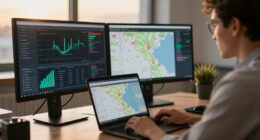
📊 Full opportunity report: Long Screen Hours? Use Webcam Tracking To Protect Your Eyes on IdeaNavigator AI — validation score, market gap, and execution plan.
TL;DR
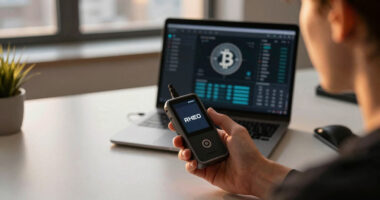
A webcam-based blink-rate tracker is being tested to help remote knowledge workers reduce eye strain. It estimates blink frequency on-device and prompts breaks, aiming to improve eye comfort during long screen hours.
A new webcam-based application designed to monitor blink rate and prompt regular breaks is entering a pilot phase aimed at reducing eye strain among remote workers who spend over eight hours daily at their laptops. This development responds to increased screen time caused by remote and hybrid work models, offering an on-device solution that does not transmit video data externally.
The proposed webcam app uses on-device computer vision to estimate blink rate and screen distance without sending video footage to external servers, addressing privacy concerns. During a two-week pilot, twenty remote workers will use the app, which logs their eye comfort scores and nudges them to take 20-20-20 style breaks when blink rate drops below a certain threshold. The goal is to evaluate whether this intervention improves self-reported eye comfort and adherence to regular breaks, potentially creating a new market for digital eye health tools.
According to IdeaNavigator AI, the app aims to serve remote knowledge workers who face dry, tired eyes and headaches due to prolonged screen exposure. The subscription-based model targets individuals and small teams, with validation relying on user feedback and adherence data collected during the pilot. It is not yet clear if the app will be commercially launched or how effective it will be in long-term use.
Impact on Remote Work Eye Health Management
This development could offer a practical, privacy-conscious way for remote workers to manage eye strain, which has become a widespread concern as screen time increases. If successful, it may lead to broader adoption of on-device eye health monitoring tools, reducing the burden of digital eye strain and associated headaches and discomfort. Employers and employees could benefit from improved well-being and productivity, making this a potentially valuable addition to remote work health strategies.

OBSBOT Tiny 2 Lite AI-Powered 4K UHD PTZ Webcam,1/2" CMOS 4X Digital Zoom, AI Auto Tracking, Auto Zoom, Gesture Control 2.0, Beauty Mode,Preset Modes,LiveStream for Game/Meeting/Online Educate
🎬【𝗔𝗜 𝗔𝘂𝘁𝗼 𝗧𝗿𝗮𝗰𝗸𝗶𝗻𝗴 𝘄𝗶𝘁𝗵 𝗔𝘂𝘁𝗼 𝗭𝗼𝗼𝗺】After generations of polishing OBSBOT's deep neural learning network algorithm, Tiny 2 Lite…
As an affiliate, we earn on qualifying purchases.
As an affiliate, we earn on qualifying purchases.
Rise in Screen Time and Eye Strain During Remote Work
The shift to remote and hybrid work arrangements has significantly increased daily screen exposure for knowledge workers, with many reporting symptoms of dry eyes, headaches, and fatigue. Currently, most workers lack objective feedback on their eye health or break adherence, often only noticing discomfort once symptoms worsen. Existing solutions include manual reminders and ergonomic advice, but these are not personalized or real-time. The new webcam app aims to fill this gap by providing continuous, objective monitoring using off-the-shelf hardware and computer vision technology, which has become more accessible and privacy-conscious in recent years.
“Using on-device computer vision to estimate blink rate can provide real-time feedback without compromising user privacy, making it suitable for widespread adoption among remote workers.”
— an anonymous researcher
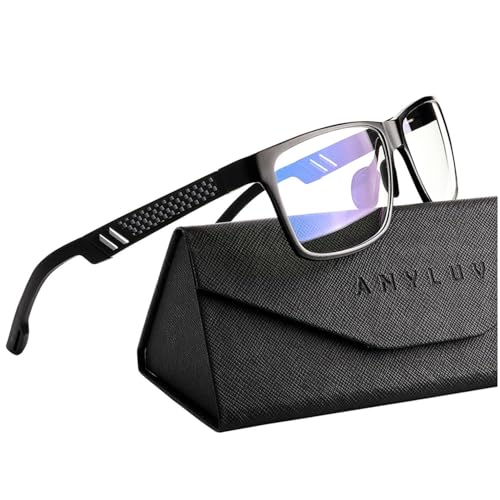
ANYLUV Blue Light Blocking Glasses Men Computer Gaming Glasses Lightweight Al-Mg Metal Anti Eyestrain Eye Protection Black Clear 0x
Overal Blue Block Rate: 45% – ANYLUV blue light glasses protects your eyes by filtering out most of…
As an affiliate, we earn on qualifying purchases.
As an affiliate, we earn on qualifying purchases.
Unconfirmed Effectiveness and Long-Term Adoption
It remains unclear how effective the blink-rate monitoring and break nudges will be in improving long-term eye comfort and whether users will consistently adhere to the recommendations. The pilot is limited to a small sample over two weeks, and broader testing is needed to confirm efficacy and scalability. Additionally, the potential for false positives or technical issues with on-device vision estimation has not been fully evaluated.
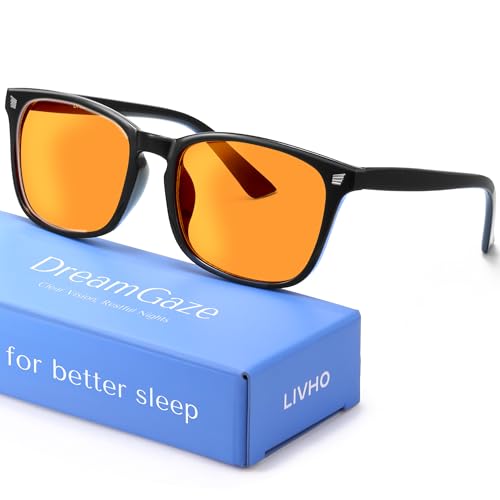
livho High Tech Blue Light Glasses – Advanced Blue Light Blocking Computer Glasses – Screen Fatigue & UV Protection
Elevate your screen time comfort with these stylish women's/men's eyewear frame blue light blocking glasses, designed to reduce…
As an affiliate, we earn on qualifying purchases.
As an affiliate, we earn on qualifying purchases.
Upcoming Pilot Results and Broader Deployment Plans
The next step involves completing the two-week pilot with the twenty participants, analyzing user feedback and adherence metrics. If results indicate significant improvements in eye comfort and break compliance, developers may refine the app and prepare for larger-scale testing or commercial launch. Further research will also explore long-term benefits and integration with workplace health programs.
LEONTOOL Strain Relief Crimper, Strain Relief Bushing Pliers Anti-Rust Low Carbon Steel Electrical Pliers Power Cable Fasten Wire Cable Tool for Assembly Electrical Strain Relief Bushing Wire Grommet
Application: Used to install the strain reliefs easily without breakages, and prevent the wire being scratched by the…
As an affiliate, we earn on qualifying purchases.
As an affiliate, we earn on qualifying purchases.
Key Questions
How does the webcam app estimate blink rate without sending video data externally?
The app uses on-device computer vision algorithms to analyze the video feed locally, calculating blink frequency and distance without transmitting any video outside the device, ensuring user privacy.
Will this app work with any webcam or only specific models?
The initial prototype is designed to work with standard webcams that support basic video capture. Compatibility details will depend on the final software implementation and testing outcomes.
Can this technology replace traditional ergonomic practices?
While it can complement ergonomic strategies by providing real-time feedback, it is not intended to replace physical ergonomic adjustments but rather to enhance awareness and adherence to breaks.
When will the app be available for commercial use?
There is no confirmed release date yet; the focus is on completing the pilot and evaluating its effectiveness before considering broader deployment.
Are there any privacy concerns with using webcam-based eye tracking?
Because the app performs all analysis on the device without transmitting video data externally, privacy concerns are minimized, but user consent and transparency remain important.
Source: IdeaNavigator AI