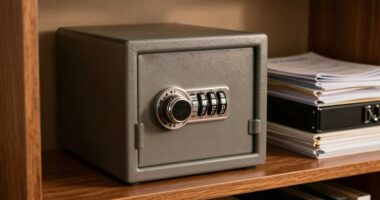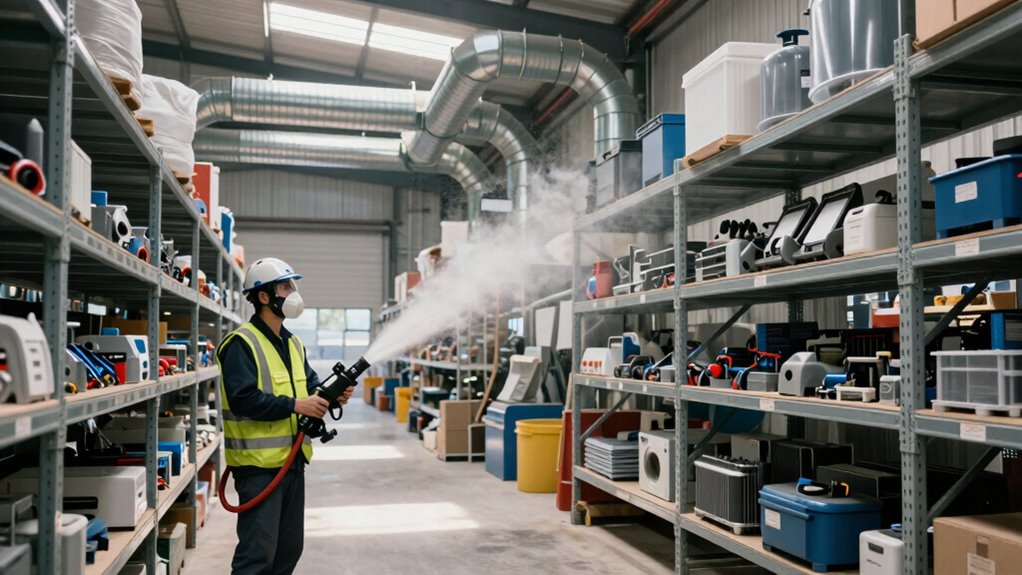

Maintaining good air quality and controlling dust levels helps protect your trading hardware by ensuring proper circulation and filtering of air, which prevents dust from settling inside devices. Using air purifiers and regular cleaning reduces airborne particles that could clog vents and cause overheating. This keeps hardware running smoothly and extends its lifespan. If you want to learn how specific measures improve performance and safety, there’s more to discover below.
Listen free for 30 days with Audible
Thousands of audiobooks and originals — cancel anytime.
As an affiliate, we earn on qualifying purchases.
Key Takeaways
- Proper air circulation ensures even distribution of clean air, preventing dust accumulation on sensitive trading equipment.
- High-quality filters trap tiny dust particles, reducing their entry and buildup inside hardware components.
- Air purifiers and dust control measures actively remove airborne dust, minimizing hardware clogging and overheating risks.
- Regular cleaning and maintenance prevent dust buildup on surfaces and vents, protecting hardware from damage.
- Maintaining optimal air quality extends hardware lifespan and ensures consistent, reliable trading performance.
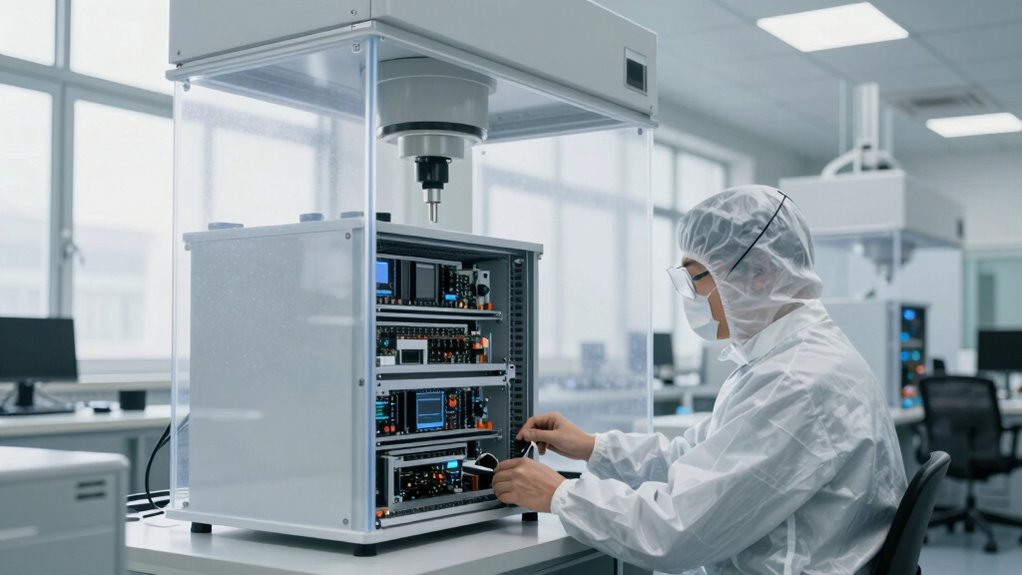
Maintaining good air quality is vital for health and safety, especially in environments prone to dust generation. When working with trading hardware, dust can quickly become a disruptive and damaging factor. One of your primary concerns should be guaranteeing proper indoor air circulation, which helps distribute clean, filtered air throughout the space. Good air circulation prevents dust from settling on sensitive equipment and reduces stagnant air pockets where dust can accumulate. You want a system that continuously moves air, preventing dust from building up on your hardware and in the ambient environment.
Effective air circulation keeps dust at bay, protecting hardware and ensuring a safer, cleaner trading environment.
Dust particle filtration plays a critical role in safeguarding your trading hardware. High-quality filters trap tiny dust particles before they settle on equipment or enter your breathing zone. These filters are designed to capture even the smallest particulates, which are often invisible but can cause significant harm over time. Regularly replacing or maintaining these filters keeps the system effective and guarantees that dust doesn’t bypass filtration and settle into your devices. This proactive approach minimizes the risk of hardware malfunction caused by dust clogging vents or settling inside delicate components. Incorporating proper maintenance routines ensures your filtration system remains efficient and effective.
In environments where dust is prevalent, you might consider integrating air purifiers with advanced filtration capabilities. These devices can supplement your existing ventilation system by actively removing dust particles from the air. The combination of indoor air circulation and dust particle filtration creates a cleaner environment, reducing the likelihood of dust-related hardware issues. When dust levels are kept low, your trading hardware can operate at ideal performance levels, with fewer interruptions or breakdowns caused by overheating or debris accumulation. Implementing dust control measures effectively can also improve overall air quality, benefitting both your equipment and your health.
Another aspect to evaluate is maintaining a clean workspace. Regular cleaning minimizes dust buildup on surfaces, especially around ventilation intakes and electronic components. Use vacuum systems with HEPA filters designed for dust removal, and avoid sweeping or dusting with dry cloths that can stir up particles into the air. Consistent cleaning routines, combined with effective air circulation and filtration, form a thorough strategy to protect your valuable hardware. Additionally, understanding the importance of air quality and dust control can help you develop more effective preventative measures. Proper ventilation practices can also enhance the removal of dust and other airborne contaminants, further protecting your equipment.
Ultimately, prioritizing indoor air circulation and dust particle filtration isn’t just about comfort; it’s about maintaining the longevity and reliability of your trading hardware. When dust is kept at bay, your equipment remains cleaner, runs more efficiently, and faces less risk of damage. By implementing these measures, you create a safer, healthier environment that supports uninterrupted trading activities and safeguards your investments in hardware.
air purifier with HEPA filter for dust removal
As an affiliate, we earn on qualifying purchases.
As an affiliate, we earn on qualifying purchases.
Frequently Asked Questions
How Often Should Air Filters Be Replaced in Trading Hardware Facilities?
You should replace air filters in trading hardware facilities every three months, or more frequently if the environment is dusty or polluted. Regular maintenance schedules guarantee ideal air filtration, preventing dust buildup that can damage sensitive equipment. Keep an eye on filter performance—if airflow decreases or you notice more dust, it’s time for a change. Consistent filter replacement maintains a clean, safe environment, extending hardware lifespan and ensuring reliable operation.
What Are the Best Dust Control Methods for Sensitive Electronic Components?
To protect sensitive electronic components, you should implement effective dust control methods like electrostatic prevention and airflow management. Use anti-static mats and wrist straps to prevent static buildup, which can damage hardware. Maintain proper airflow management by installing HEPA filters and ensuring clean, controlled environments. Regularly cleaning and sealing entry points also helps keep dust out, reducing risk and prolonging the lifespan of your trading hardware.
Can Poor Air Quality Affect the Longevity of Trading Hardware?
Poor air quality can greatly impact your trading hardware’s longevity. Studies show that air pollution accelerates hardware degradation by depositing dust and corrosive particles, which can cause overheating and component failure. If you neglect air quality, you risk reducing your equipment’s lifespan and increasing maintenance costs. To protect your investment, guarantee proper dust control and ventilation. Good air quality is essential to maintaining peak performance and extending the life of your trading hardware.
Are There Industry Standards for Dust Levels in Trading Environments?
Yes, industry standards for dust levels in trading environments exist. You should follow air quality standards, which set permissible dust concentrations to prevent hardware damage. Implement dust monitoring protocols regularly to guarantee these standards are maintained. By adhering to these guidelines, you protect your trading hardware from dust-related issues, ensuring ideal performance and longevity. Consistent monitoring and compliance help create a safe, reliable environment for your sensitive equipment.
How Does Humidity Impact Dust Accumulation on Hardware?
Humidities effects on dust accumulation are massive—like a magnet drawing in every speck in the air. When humidity levels are high, dust particles clump together and settle faster on hardware surfaces, increasing the risk of damage. Conversely, low humidity can cause static buildup, attracting dust. Effective dust mitigation involves maintaining ideal humidity levels to prevent both excessive dust settling and static, ensuring your trading hardware stays clean and protected.
high-quality air filter replacement for HVAC
As an affiliate, we earn on qualifying purchases.
As an affiliate, we earn on qualifying purchases.
Conclusion
As you implement air quality and dust control measures, you’re not just safeguarding your trading hardware — you’re also opening the door to unexpected challenges. Will your current setup withstand the silent, creeping threats of dust and pollutants? The future of your equipment depends on the steps you take today. Stay vigilant, because one overlooked detail could spell the difference between smooth operations and costly surprises. The key to protection is in your hands now—are you ready to act?
dust control vacuum with HEPA filter
As an affiliate, we earn on qualifying purchases.
As an affiliate, we earn on qualifying purchases.
air circulation fan for electronics workspace
As an affiliate, we earn on qualifying purchases.
As an affiliate, we earn on qualifying purchases.
NFL season / tailgating Picks
team gear
As an affiliate, we earn on qualifying purchases.